
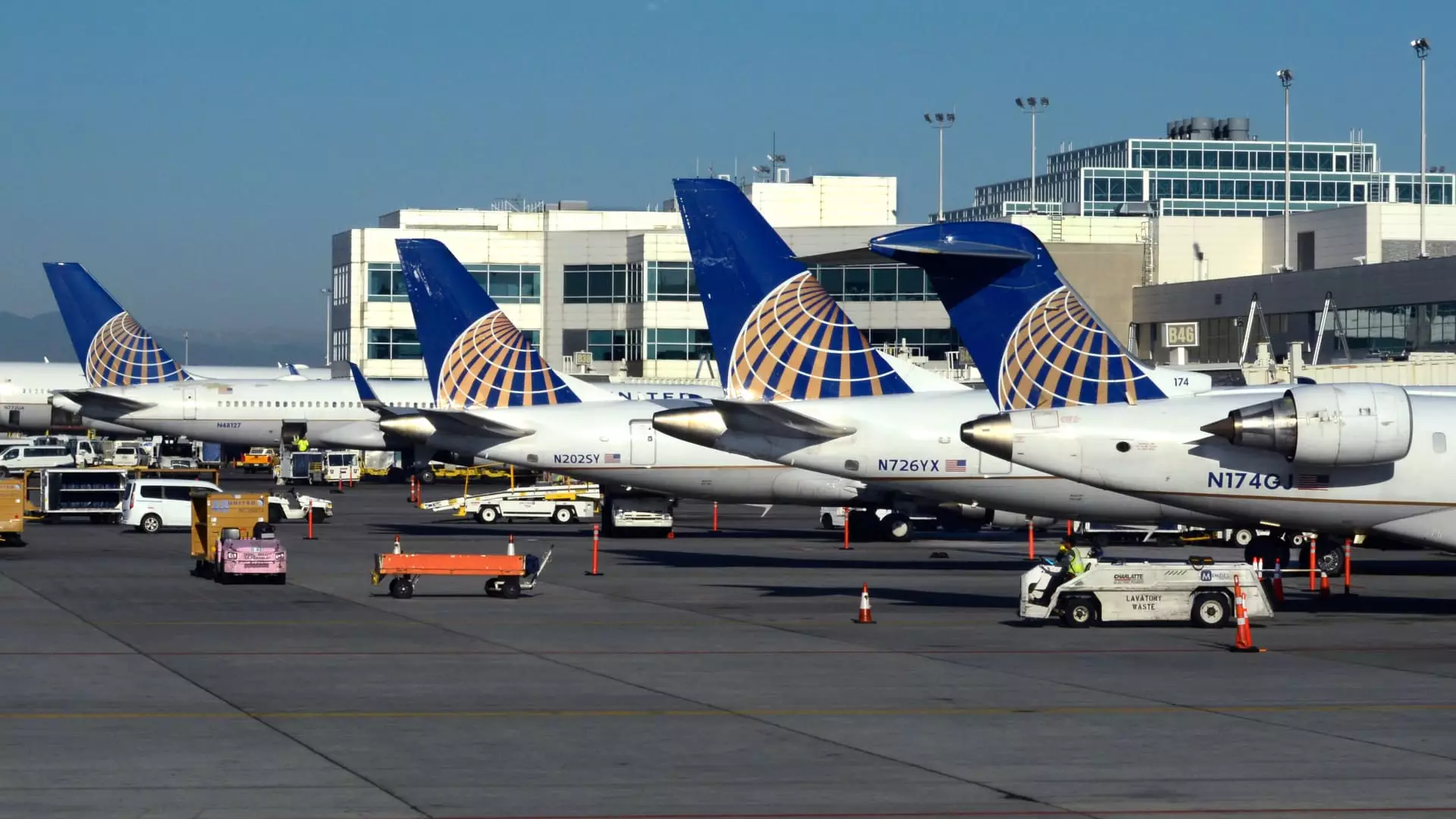
In a bold and arguably misguided move, United Airlines has announced significant fee increases for its annual airport lounge memberships and rewards credit cards. This decision raises a pivotal question: how far can airlines push the envelope on costs while expecting customer loyalty? It appears that United, under the leadership of its MileagePlus program chief Richard Nunn, is testing the waters to see just how much travelers will tolerate. While Nunn reassures consumers that the added benefits of rideshare credits and discounts on award flights compensate for the fee hikes, it is essential to scrutinize the long-term implications of such changes.
Loyalty in the Age of Increasing Costs
It’s crucial to recognize that the airline industry is not just about the flight; it’s about customer experience. In recent years, airlines have transformed into profit-centric machines, upping prices for everything from checked bags to inflight meals. As they raise the bar on fees while also modifying perks that previously came without cost, what’s happening is a disturbing trend of disconnect between what airlines perceive as valuable and what actual consumers need. Sure, the new co-branded card perks may lure in some new members, but they fail to address the discontent brewing among existing loyal customers who feel undervalued as they reach deeper into their pockets.
The Class Divide in Air Travel
United’s decision doesn’t just represent a price increase; it signifies a disturbing social divide within the air travel sector. With the rise in premium credit-card holders and elite-status travelers, the exclusivity of premium lounges has become more pronounced, driving a wedge between everyday consumers and elite travelers. While larger lounges and separate tiers have been introduced, the real question remains: is it fair for airlines to cater predominantly to a select group, leaving consistent travelers feeling alienated? This trend not only threatens to diminish customer loyalty but also risks a backlash from those who feel they are being sidelined in favor of corporate profits.
Financial Growth or Customer Alienation?
United’s revenue report is certainly impressive, boasting a $3.49 billion increase in “other” revenue, primarily from co-branded card spending. However, this financial growth should not come at the expense of customer satisfaction. The relationship between airline profitability and customer loyalty is tenuous, especially as consumers increasingly become aware of their options in an ever-competitive travel market. When fee hikes become the norm, the eventual risk is losing hardcore customers who might seek out airlines that still offer a comprehensive benefits package without added costs.
A Call for Genuine Value
As United Airlines embarks on this initiative, one must question whether the additional benefits truly outweigh the increased financial burden on travelers. The company’s approach feels more like a compromise of customer loyalty for quick financial gains, rather than a genuine effort to enhance the travel experience. In a world where transparency and reasonable pricing are becoming key to consumer loyalty, it’s time for airlines to remember that retaining customers is complex and multifaceted, relying not just on gimmicks, but on delivering real and meaningful value.