
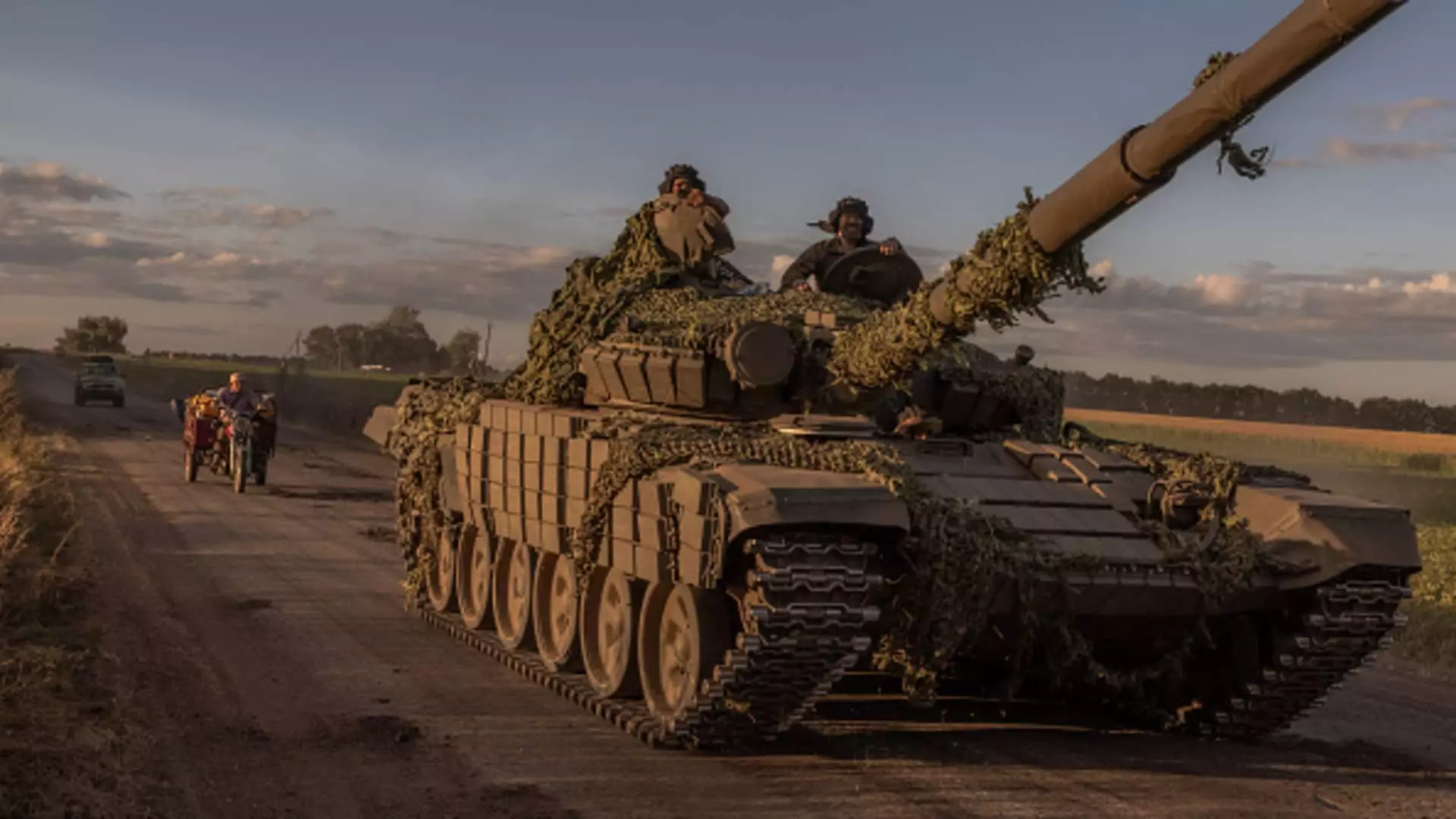
In a significant escalation of military support, the United States government is poised to unveil a $1.25 billion military assistance package for Ukraine, according to U.S. officials. This announcement, expected early next week, marks one of the final acts of the Biden administration before the transfer of power to President-elect Donald Trump on January 20. As tensions continue to mount between Ukraine and Russia, this new round of aid underscores the urgency with which the U.S. administration seeks to bolster Ukraine’s defense capabilities amidst ongoing hostilities.
The impending aid package comprises a diverse array of munitions crucial for bolstering Ukraine’s aerial defense systems. Specifically, it is expected to include provisions for the National Advanced Surface-to-Air Missile Systems (NASAMS) as well as the HAWK air defense systems, which are pivotal in countering aerial assaults. Additionally, the inclusion of Stinger missiles and artillery rounds further equips the Ukrainian military to defend against the recent intensification of Russian offensive operations, particularly targeting critical infrastructure within Ukraine.
The timing of this assistance coincides with a marked increase in Russian military aggression, particularly in the form of missile and drone strikes aimed at power facilities, which have strained Ukraine’s already beleaguered resources. Thus, this influx of military aid serves not only as a direct military enhancement but also as a crucial moral support signal to Kyiv amidst its persistent struggle against Russian advances.
Moreover, the geopolitical landscape remains volatile as both Russian and Ukrainian forces are entangled in protracted confrontations, particularly around the contested region of Kursk. Moscow has reportedly dispatched troops from North Korea in a bid to secure regained territory. This intensifying conflict highlights the complexities facing both nations and underscores the strategic importance of timely military aid from the U.S. for Ukraine.
However, the urgency of sending this aid is compounded by the skepticism surrounding the continuity of U.S. support in the forthcoming Trump administration. There is a palpable concern among U.S. and European leaders regarding Trump’s inclination toward negotiating a settlement with Russia, which could potentially undermine Ukraine’s position and the degree of military assistance provided.
With $5.6 billion worth of weapons and equipment previously authorized by Congress still to be dispatched, the Defense Department has expressed concerns about meeting deadlines before the administration changes. While the current package is facilitated via presidential drawdown authority—allowing for a swift transfer of military resources—the impending transition raises questions about future commitments to Ukraine. Some officials speculate that the current aid might be a last-ditch effort to empower Ukraine’s military prior to the shift in leadership.
The reality of potential remaining aid is significant; the Pentagon notes that an additional $1.2 billion exists within the Ukraine Security Assistance Initiative. This long-term funding could play a critical role in sustaining Ukraine’s defense down the line, but the ability of the incoming administration to leverage these funds remains uncertain.
Up to this point, the U.S. has allocated over $64 billion in security assistance to Ukraine within the context of ongoing Russian aggression, a commitment that reflects the U.S.’s strategic interest in European stability and deterrence of Russian hegemony. Nonetheless, as the political landscape shifts, the continuation of such comprehensive support may be in jeopardy, leaving Ukraine’s long-term security needs vulnerable to negotiation outcomes that may not be in its favor.
As the U.S. prepares to announce this substantial military aid package, the implications are multifaceted. While it undoubtedly strengthens Ukraine’s defense capabilities in the short term, the broader geopolitical ramifications, particularly regarding future U.S. engagement under a new administration, could have lasting impacts on the dynamics of the conflict and Ukraine’s quest for sovereignty amidst ongoing tension with Russia.