
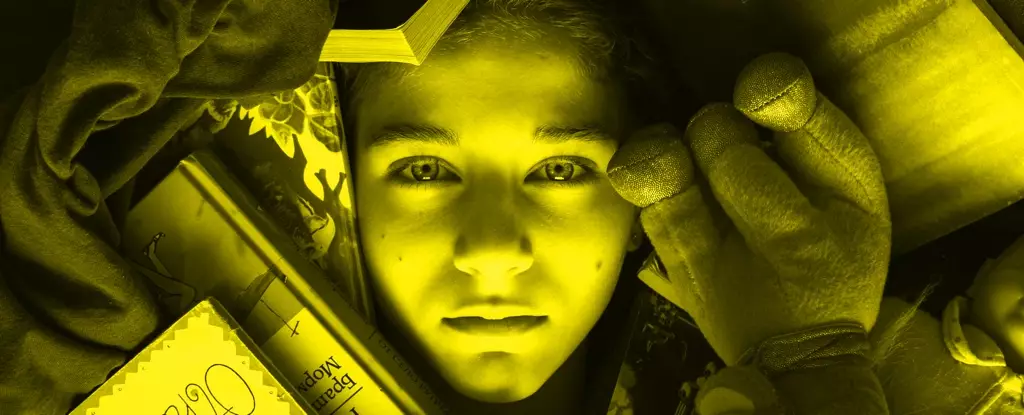
Sorting through the belongings of loved ones after their passing often uncovers an emotional labyrinth. Recently, I helped my mother sift through boxes left by my late grandparents, including one whimsically labeled “toothpick holders and other treasures.” While none of the anticipated toothpick holders materialized, the box brimmed with remnants of the past—trinkets and memorabilia, each imbued with stories and memories. Among them was a solitary jigsaw puzzle piece, a delightful reminder of my grandmother’s curious habit of hiding the final piece, only to complete the puzzle dramatically at the last moment.
As my mother and I reminisced and ultimately decided to part with 90% of the items, I found myself reflecting on the question that often surfaces in both personal and professional circles: “Why do we keep this?” As a clinical psychologist specializing in hoarding disorder, particularly among older adults, I grapple with this question frequently. The emotional challenge attached to letting go of possessions is a robust and intricate aspect of human experience, one that evolves as we age.
Hoarding disorder manifests as an overwhelming urge to accumulate items alongside an emotional difficulty in discarding them, leading to clutter that can significantly impede daily functioning. Yet, it’s crucial to distinguish between actual hoarding and the common practice of keeping sentimental objects. As people age, the tendency to cling to items that carry sentimental value becomes prevalent. This can gradually develop into more severe hoarding behavior in some individuals, exacerbated by declining cognitive abilities to make decisions.
It is often believed that the inability to discard items stems from anxiety and distress associated with decision-making. However, my research suggests a more nuanced understanding, particularly concerning older adults. In a study I conducted, older adults with hoarding disorder exhibited lower distress levels when faced with decisions about what to keep or discard compared to their younger counterparts. Interestingly, many reported feelings of positivity and nostalgia during the sorting process instead of the anticipated dread.
As my colleagues and I delved further into the psychology behind hoarding tendencies, we noticed a recurring theme: high levels of altruism among individuals with hoarding disorder. Many expressed a profound sense of responsibility to preserve items, often uttering phrases like “This needs to go to a good home” or sharing the emotional weight of inherited possessions. These insights prompted a reevaluation of the motivations behind why we cling to certain items.
Our ongoing research has explored how adopting a values-based framework can aid in the decluttering process. In a recent study, clinicians engaged directly with older participants, guiding them toward recognizing their core values during the sorting process. The goal was to help them focus on long-term aspirations rather than momentary attachments to objects. For instance, a cherished dress may evoke nostalgia, but prioritizing its utility and potential for someone else to enjoy can align with values of generosity and practicality.
From our clinical observations, a set of practical steps emerges that can facilitate the decluttering journey, beneficial to individuals across various age groups. First and foremost, individuals are encouraged to clarify their core values. Establishing what truly matters—whether it’s family legacy, creativity in cooking, or commitment to wellness—can guide the decision-making process regarding what to keep or discard.
Moreover, this journey involves recognizing that conflicting values may arise. Reflecting on how keeping or discarding an item brings you closer to your goals can shed light on the path ahead. For instance, if your aim is to create an inviting kitchen for baking with grandchildren, consider how counter space is utilized when deciding which appliances or gadgets to retain.
Finally, empathy emerges as a vital component when assisting others in decluttering. Approaching a loved one’s belongings with respect and curiosity is essential. An item deemed unnecessary by one may resonate profoundly with another. Viewing a box labeled as “clutter” through the lens of memories and legacy can transform the decluttering experience from a mere task into a meaningful journey of reflection and healing.
As we explore the complex relationship individuals have with their belongings, understanding hoarding disorder requires a compassionate lens. By recognizing the motivations behind our attachments and implementing values-driven strategies, we can create healthier and more functional living spaces. For further understanding and guidance on hoarding disorder, the International OCD Foundation stands as a valuable resource for individuals and families navigating this challenging aspect of human experience. By embracing this journey with empathy, we not only clarify our living spaces but enrich the narrative of our lives.