
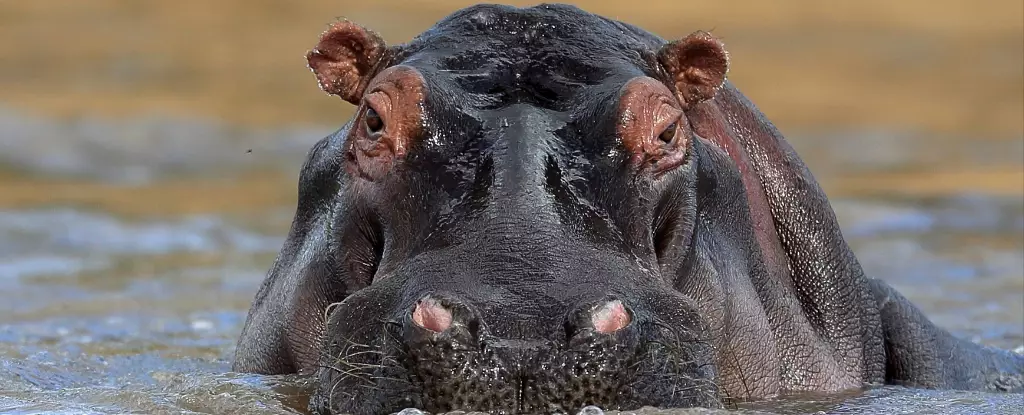
In a devastating blow to the already fragile ecosystem of Virunga National Park, a staggering 50 hippos have succumbed to anthrax poisoning. This calamity highlights not only the vulnerabilities of wildlife in one of Africa’s most precious reserves but also underscores the dire reality of ecological imbalance exacerbated by human conflict and environmental degradation. The dead animals were discovered floating in a river, a poignant and unsettling sight in a park that has long been celebrated for its rich biodiversity and awe-inspiring landscapes. The brutal reality is stark: Virunga, home to mountain gorillas and various unique flora and fauna, is under siege, not just from human encroachment but also from ancient bacteria that are rearing their ugly heads due to destabilization of the environment.
The Shadow of Anthrax
The bacterium Bacillus anthracis, responsible for these deaths, is both insidious and resilient, lying dormant in soil for decades. This highlights a crucial issue: the continuous interplay between wildlife health and human activity. The very soil where the hippos are buried becomes a vessel for this disease, exposing both wildlife and nearby communities to deadly risks. The local Congolese Institute for Nature Conservation (ICCN) has urged caution, advising locals to shun bushmeat—a common source of sustenance in the region. Sadly, this action is rooted in necessity rather than choice, reflecting the catastrophic consequences of an ecosystem out of balance.
Encroachment and Its Consequences
The park’s continued deterioration is intricately linked to the long-standing conflicts plaguing the eastern Democratic Republic of Congo. For over three decades, human violence and turmoil have wreaked havoc on the landscape, not only depleting wildlife populations but also facilitating disease outbreaks such as this. Ironically, while the results of human aggression manifest through immediate physical destruction, diseases like anthrax are a more insidious legacy that will haunt the region’s wildlife for generations. There is nothing more tragic than the unintended fallout of our actions, and the hippos are but the latest victims in a long line of casualties.
The Broader Implications
This grim situation poses profound questions about our responsibilities to the natural world and the interconnectedness of ecosystems. If we fail to address the roots of conflict and environmental degradation, we gamble with the fates of countless species, risking extinction and loss of biodiversity. While anthrax primarily targets wildlife, the implications of its spread are far-reaching—echoing a warning that resonates through time and space. When ecosystems collapse, the consequences ripple outward, becoming a pressing human health crisis and a threat to livelihoods.
As the hippos of Virunga struggle against the lethal grip of anthrax, we are faced with the pressing need for a more compassionate and comprehensive approach to conservation. This is not merely a responsibility to preserve animals; it is about ensuring a livable future for all species, including humanity. While hope rests in unwavering commitment to restoration and safeguarding these natural wonders, time is running short. Now more than ever, proactive measures and dignified care for all forms of life in these parks are imperative. The hippos may have fallen victim to an ancient disease, but it’s our actions—or lack thereof—that may seal their fate, and ultimately, our own.