
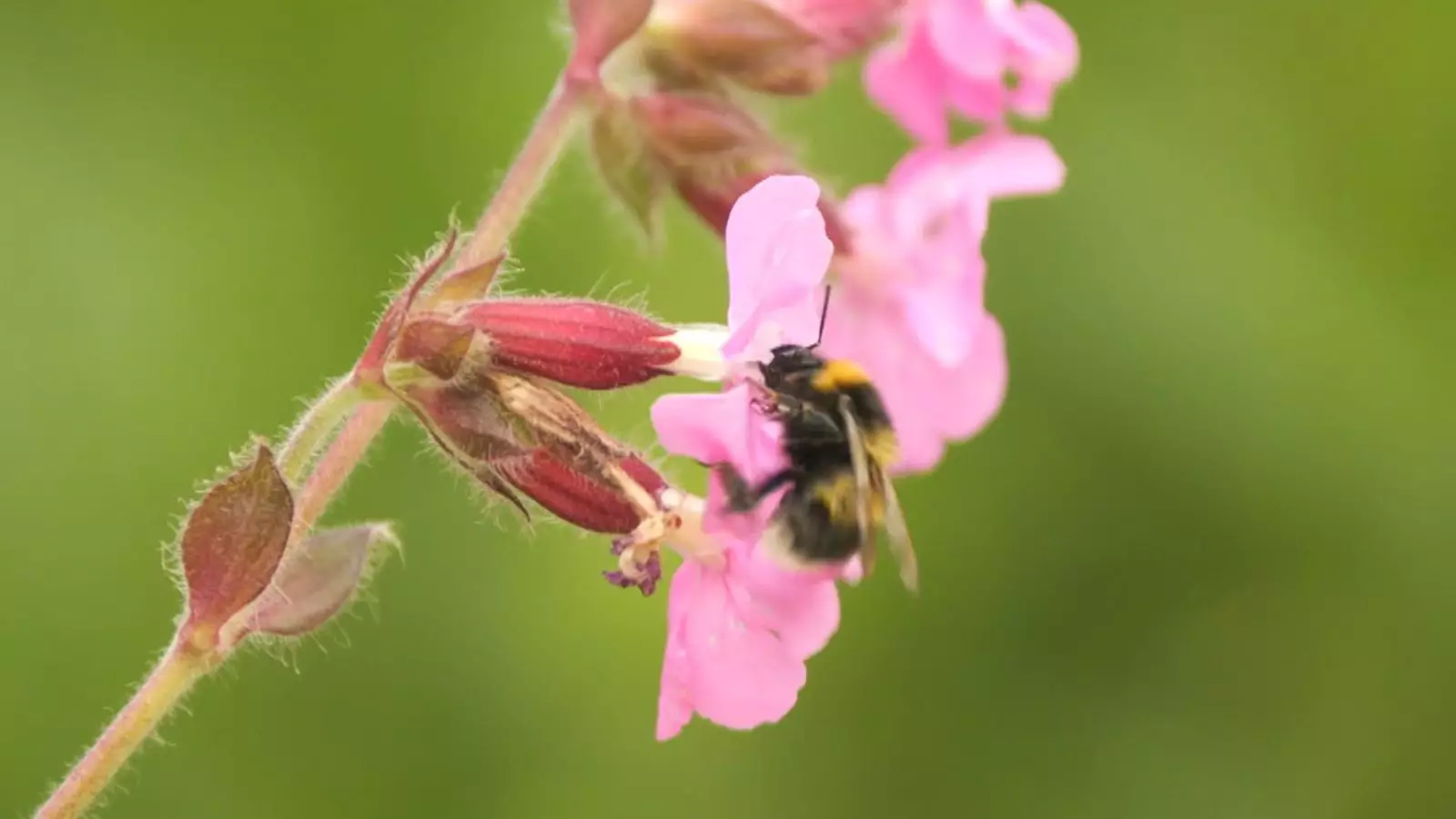
In the shadow of our modern civilization, a harrowing crisis lingers—our bees, the unsung heroes of the ecosystem, are vanishing at an alarming rate. The catastrophic decline in bee populations is not merely a trivial concern but a clear indicator of an ecological disaster unfolding before our eyes. Habitat destruction, climate change, and the ubiquitous use of pesticides have conspired to create a perfect storm, threatening the delicate balance of our environment. This isn’t just about bees; it’s about the very fabric of our biodiversity and food security. While studies like the one undertaken by scientists at Kew Gardens emerge, they hint at a desperate need for more comprehensive, global research. It feels as if the alarm is ringing, yet the response remains all too tepid.
Innovative Measures Amidst Inaction
At Kew’s Wakehurst site in Sussex, a team is taking a commendable stand against this impending doom by deploying cutting-edge bio-acoustic sensors to monitor bee activities within various tree species. The concept is revolutionary: by understanding which trees act as the most effective magnets for bees, urban planners can cultivate green spaces that are not only aesthetically pleasing but biologically supportive. Dr. Janine Griffiths-Lee, the lead on pollination research, underscores the significance of this initiative. “Nearly 90% of our flowering plants rely on pollinators”, she states, encapsulating the crux of the problem. However, the meager 60% decline in flying insect populations over the last two decades serves as a stark reminder that we are perilously close to witnessing the collapse of an essential ecosystem service.
While the efforts undertaken at Wakehurst could potentially guide future tree planting initiatives, one cannot help but question if this alone will remedy the broader issue. The traditional response to environmental crises often emphasizes localized solutions, yet the conversations must also encompass political, social, and economic structures that contribute to these challenges. Why are researchers like Griffiths-Lee not being fully supported with the necessary funding and global collaboration to expand their findings? Why are policymakers not inundated with this urgent call to action?
A Call for Comprehensive Ecological Understanding
The findings from Kew Gardens are undoubtedly noteworthy, yet they also prompt critical reflection. The research currently focuses on a mere eight tree species, including horse chestnut and lime, straddling the line between native and non-native varieties. Such limited scopes invite skepticism. If we truly aspire to combat the decline of these vital pollinators, aren’t we obligated to examine a wider array of flora? Collecting DNA from pollen to determine bee preferences sounds promising, but does it go far enough? It is imperative that we broaden our ecological understanding, recognizing the interconnectedness of ecosystems while prioritizing urgency over complacency.
Moreover, the dichotomy between urgent threats and the slow grind of scientific research cannot be overstated. While the concept of Wakehurst as a “living laboratory” is metaphorically uplifting, the reality is disheartening. The biodiversity crisis and climate change effects are quite real and looming. Solutions are not just required; they are demanded now. Susan Raikes, the director of Wakehurst, asserts that “the stakes couldn’t be higher”. However, without a systemic modification to how we interact with nature, these stakes may ultimately result in a losing hand.
Reimagining Urban Landscapes for a Sustainable Future
Urban landscapes must evolve to accommodate not just human needs, but also those of the complex ecosystems we have traditionally overshadowed. As cities continue to expand, urban planners must prioritize the inclusion of pollinator-friendly flora in their designs. Trees are not merely wood structures; they are life-supporting environments. They could become strategic allies in our battle against climate change—not just decorations adorning a concrete jungle.
We find ourselves at a decisive juncture, where the adoption of nature-based solutions is no longer an option, but a necessity. Urban architects must shift their mindset from a one-size-fits-all model to a more nuanced approach that respects regional biodiversity. The implications of neglecting bees extend beyond the initial losses; they ripple outwards, shaking the foundation of our food systems and ecosystems.
While the research from Kew Gardens illustrates a step forward, it beckons for a more extensive approach involving governments, ecologists, urban planners, and citizens alike. If we fail to act aggressively and collectively, we stand to inherit a bleak future devoid of the essential buzzing that has long been a soundtrack of thriving ecosystems.