
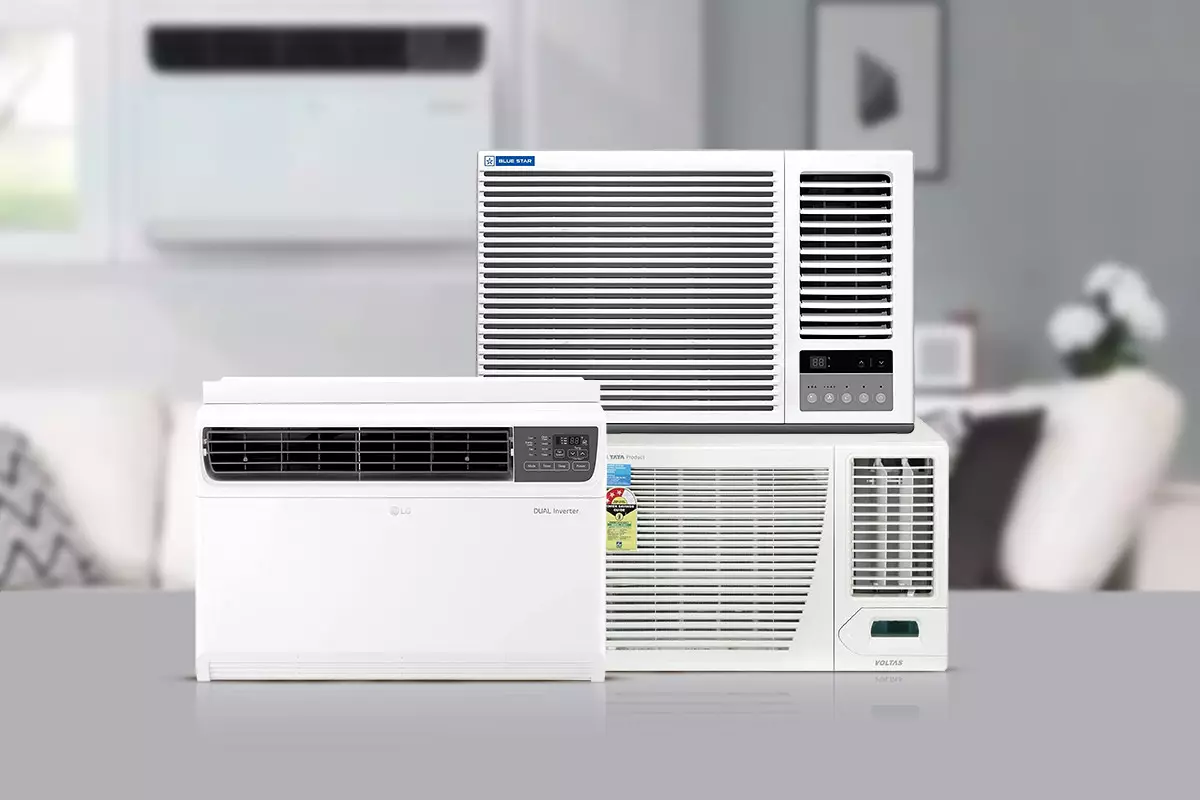
As India’s summer heat intensifies, the soaring demand for air conditioners (ACs) reveals more than just consumer desperation for relief; it exposes a complex web of market manipulation, environmental negligence, and user dissatisfaction. It’s easy to be dazzled by advertisements showcasing sleek designs, high-toned features, or “energy-efficient” badges, but a deeper analysis suggests that many of these units, especially in the budget segment, are ill-equipped to deliver genuine long-term value. At first glance, brands like Voltas, Godrej, Lloyd, Carrier, and Haier seem to offer affordable cooling, but this convenience often comes at the expense of durability, energy sustainability, and user safety.
While these units sound promising—promising fast cooling, low maintenance, and silent operation—the reality often paints a different picture. Hidden costs in electricity bills, inadequate filtration, and premature wear and tear are common pitfalls that many unwary consumers face. The focus on marketing jargon distracts from the fact that cheap ACs are frequently built with inferior materials and questionable components, leading to a cycle of quick replacements and mounting electronic waste concerns that are rarely acknowledged publicly.
The Illusion of Energy Efficiency and Its Limitations
A cursory look at the energy ratings—3-star or 4-star—may seem reassuring, but they don’t tell the entire story. Many units feature inverter technology, which ostensibly reduces power consumption, yet in reality, these “smart” features often malfunction or become obsolete faster than anticipated. In fact, some models rely on outdated compressor designs or substandard cooling coils that struggle in extreme temperatures, contradicting their advertised robustness.
Moreover, the emphasis on features like “auto-restart,” “turbo cooling,” and “filter indicators” can obscure their practical limitations. Many of these added features are more marketing hype than real functional benefits. They often increase the initial purchase price without meaningful returns, especially as consumers discover that these units demand frequent servicing, refrigerant top-ups, or replacement of filters that trap dust but do little to improve indoor air quality permanently. Energy-efficient labels can be a smokescreen for manufacturers trying to sell outdated or poorly manufactured products under a veneer of sustainability.
Environmental Impact and the Unsustainable Pursuit of Cheap Cooling
The push to own affordable AC units also drives environmental degradation—a consequence rarely addressed openly. Cheaper units frequently use refrigerants with high global warming potential and have condenser coils coated with sub-micron rust-prone materials. Despite claims of anti-corrosion features like Blue Fin or Hydro Blue coatings, these are often superficial, providing only short-term resistance and masking the reality of faster degradation and refrigerant leaks.
Furthermore, many units feature non-inverter compressors, which are inherently less efficient and produce higher emissions over their lifetimes. Doubling down on cheap units may save money upfront but results in increased electricity consumption, stressing both household budgets and the national grid—particularly noticeable during peak summer months. This consumer cycle of buying and discarding exacerbates the e-waste problem and ignores broader climate responsibilities—a critical oversight in a rapidly warming planet.
Consumer Choice or Market Coercion?
The current market landscape appears optimized for the manufacture of consumer dependence, rather than genuine utility. Manufacturers often deploy aggressive marketing tactics, emphasizing “powerful cooling,” “low noise,” and “durability,” which serve to hide the realities of product quality. Many of these units are “built for the short term,” exploiting consumer ignorance and urgency to clear inventory quickly.
For those who fall for the lure of affordability, there’s an inherent risk of ending up with an AC that will require constant repairs, frequency of refrigerant refills, and eventual early replacement—all of which undermine the supposed savings. Instead of fostering a culture of sustainable consumption, the industry seems more aligned with extracting maximum profits from consumers desperate for cooling comfort. This capitalist model, under the guise of liberal consumer rights, neglects the social responsibility of promoting environmentally sustainable and durable products.
A Short-Sighted Approach to Comfort and Climate Responsibility
Ultimately, placing affordability above quality and environmental considerations reveals a shortsighted attitude that commodifies basic human needs. While the market offers numerous options under Rs 30,000, it is disingenuous to believe that such affordability aligns with sustainability or consumer well-being in the long run. Real progress demands shifting focus from just cooling down rooms to cooling down the reckless consumerism that fuels environmental harm.
Advocates for responsible consumption argue that true empowerment lies in demanding better standards, longer-lasting products, and transparent information from manufacturers. Recognizing that the climate crisis is interconnected with our choices as consumers should pivot our expectations towards quality, durability, and ecological responsibility—not just the lure of low prices in a heatwave. Only then can we push for a market that genuinely serves the public interest rather than exploiting their desperation for comfort.