
Jimmy McGovern’s latest BBC drama, *Unforgivable*, boldly confronts the societal failures that enable abuse and neglect to fester beneath the veneer of justice. While the series aims to shed light on the harrowing realities faced by survivors and the systemic shortcomings they encounter, it inadvertently exposes a deeper societal fissure: the inability of our institutions to provide meaningful redemption or protection for themost vulnerable. Rooted in a call for accountability, the show underscores how a sociopolitical climate overly obsessed with punitive measures often neglects the necessity of nuanced healing and restorative justice, especially for survivors of sexual abuse.
In a political context fragile with debates over reform versus punishment, *Unforgivable* advocates for a shift in perspective—one that recognizes trauma not merely as an individual affliction but a symptom of larger institutional and societal failures. The series challenges viewers to think critically about how criminal justice systems are often inadequate, perpetuating cycles of trauma instead of breaking them. It’s a stark reminder that our collective response to abuse must extend beyond retribution, demanding reforms that prioritize understanding, therapy, and restorative measures.
However, despite these lofty ambitions, the series struggles with its own narrative imperfections. McGovern’s script attempts to portray complex characters grappling with unresolved pain, but at times it falls into the trap of sensationalism—a tendency to prioritize shock value over genuine nuance. This inconsistency reveals a broader tension within the push for social awareness: the risk of reducing survivors to mere plot devices rather than fully fleshed-out individuals deserving of empathy. The show’s political message, though compelling, feels occasionally muddled by its reliance on familiar tropes of trauma and redemption, undermining its capacity for authentic critique.
Representation and the Power of Narrative
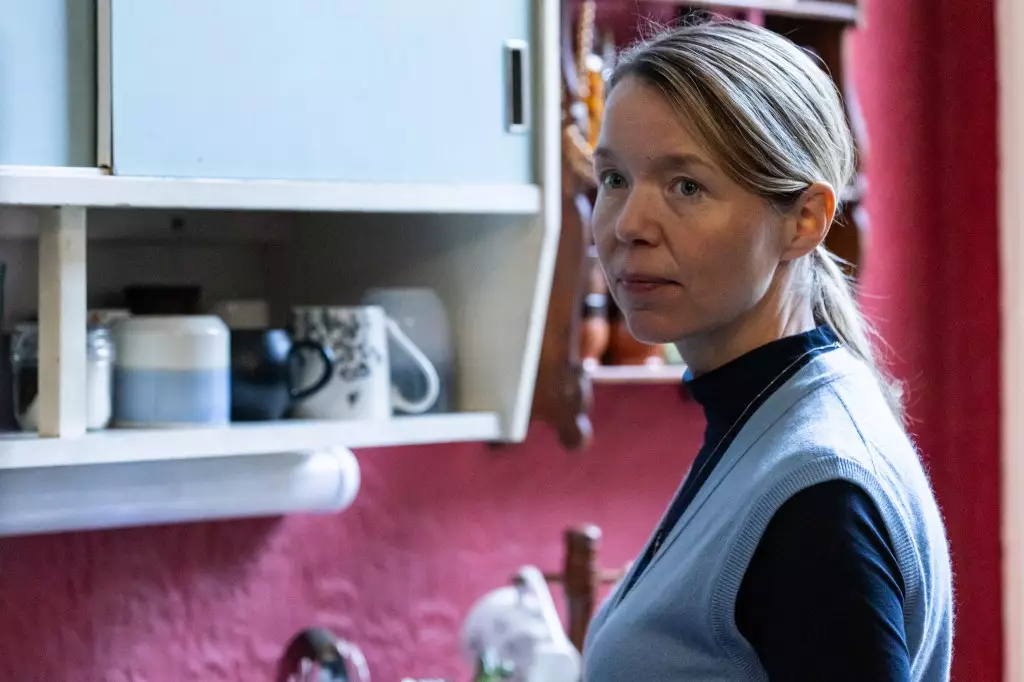
The casting of Anna Maxwell-Martin as the ex-nun Katherine adds a layer of complexity to the narrative. Here is a character who embodies both authority and wounded compassion—a symbol of institutions that can be both oppressive and healing. Yet, the series’ portrayal of such figures often walks a tightrope. On one hand, it humanizes those within the system; on the other, it risks simplifying their moral ambiguities or over-sentimentalizing their dilemmas. This is emblematic of a broader challenge in socially conscious storytelling: balancing advocacy with authenticity without succumbing to oversimplified good-versus-evil binaries.
The personal stories woven into *Unforgivable* are meant to invoke empathy and reflection, but they also serve as cautionary tales about the dangers of narrative spectacle. Trauma, especially sexual abuse, demands careful handling—something that the show occasionally falters on by resorting to melodramatic scenes that overshadow the lived reality of survivors. As viewers, we are invited to see the injustice inflicted on the characters, but the series must also reckon with how it perpetuates certain narratives that can resonate more with sensationalism than genuine societal insight.
From a political standpoint, the series implicitly advocates for an overhaul of how society treats abuse survivors—calling for policies that prioritize mental health support and community-based healing rather than purely criminal sanctions. Such a stance aligns with centrist liberal ideals: reforming the system to serve justice more effectively while safeguarding the dignity of individuals. Yet, the series’ sometimes heavy-handed approach risks alienating those who favor a more pragmatic approach, emphasizing punishment and deterrence over therapeutic intervention. The challenge lies in framing these issues in a way that is both morally compelling and practically feasible within our existing legal frameworks.
Implications for Society and Media’s Role
*Unforgivable* also prompts viewers to consider the role of media in shaping public perceptions of justice and trauma. As a reflection of societal fears, it carries an implicit message: that the scars of abuse run deep, and institutions often fail to deliver justice. It urges a society that is willing to confront uncomfortable truths, even if that discomfort challenges long-held beliefs about punishment and forgiveness.
From a political centrist perspective, this calls for a balanced approach—acknowledging the necessity of accountability while advocating for compassionate, evidence-based reforms. The show highlights the importance of mental health services, community support, and restorative justice initiatives that seek to heal instead of merely punish. Yet, it also raises questions about whether societal priorities are aligned with these ideals, or if the fear of complicating the justice process leads to resistance against meaningful reform.
While *Unforgivable* has its flaws—ranging from its sometimes melodramatic execution to its propensity for oversimplification—it remains a powerful conversation starter. It’s an indictment of a system that too often prioritizes punishment over healing and a plea for societal introspection. Its success or failure will ultimately depend on whether viewers, policymakers, and media creators learn to navigate the thorny terrain of trauma, justice, and societal responsibility with empathy and critical awareness.