
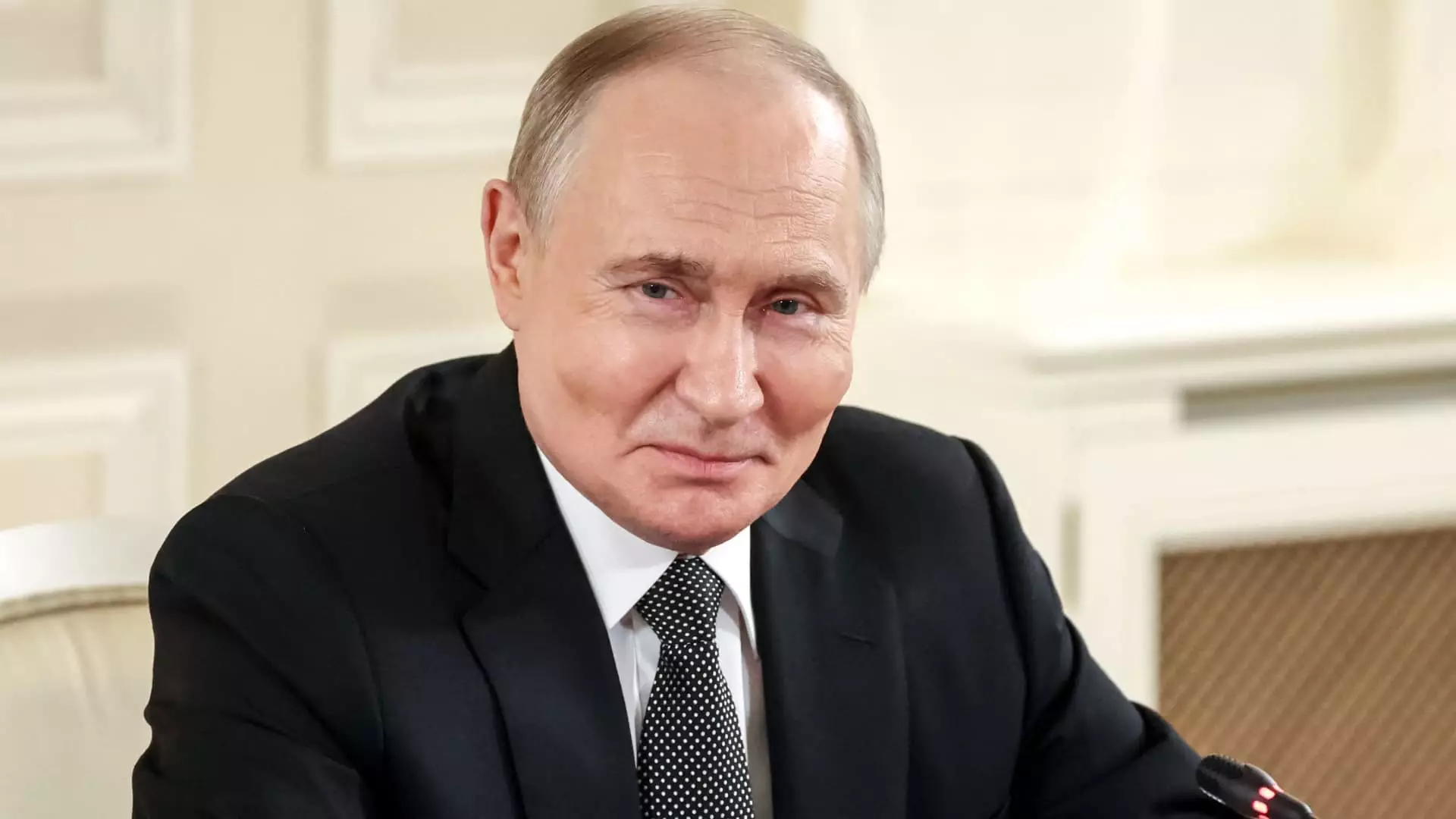
In an era where political rhetoric shapes global perceptions more than ever, Trump’s recent remarks about Vladimir Putin serve as a stark reminder of the perilous gap between rhetoric and reality. His blunt expression of dissatisfaction with Putin, framing the Russian leader’s actions as mere “bulls—,” not only deepens the narrative of distrust but also exposes a troubling tendency among certain Western voices to personalize complex geopolitics. Instead of fostering nuanced understanding or strategic engagement, such language risks fueling hostility and misinterpretation at a time when diplomacy should be prioritized.
Trump’s comments reflect a broader failure to recognize the structural and ideological factors that drive conflicts like Ukraine’s. His attribution of responsibility to Biden and Obama for the invasion simplifies a multidimensional crisis into partisan blame, undermining the possibility of restorative diplomacy. It’s discernible that Trump’s approach remains rooted in confrontation, emphasizing personal grievances over pragmatic solutions. This stance, while echoing populist sentiments, dangerously undervalues the importance of coordinated international effort and long-term stability.
The Illusion of Power Through Bluster
Beyond mere rhetoric, Trump’s critique of Putin reveals a superficial understanding of power dynamics. Dismissing Putin as a figure who “throws bulls—” at the United States neglects the complex calculations of nuclear deterrence, economic leverage, and geopolitical influence that underpin the Russian leader’s actions. Simplistic condemnations fail to acknowledge that Putin’s strategic moves are often calculated to bolster national sovereignty, even amid international condemnation. Expressing dissatisfaction publicly may momentarily rally his base, but it ultimately diminishes America’s credibility on the global stage, presenting a fragmented picture where strength is conflated with loudness.
Furthermore, Trump’s comments about military aid and weapons shipments to Ukraine expose a fundamental inconsistency. Given his previous claims of being a dealmaker and a builder of strength, his hesitation and confusion over policy decisions betray a lack of coherent strategy. Instead of championing a clear, unified stance, his performance highlights how personal indignation can derail diplomatic efforts, leaving allies and adversaries alike uncertain about America’s true intentions.
The Real Cost of Misinformed Leadership
Crucially, Trump’s remarks betray a naive view of the tragic human toll of the Ukraine conflict. Highlighting the death toll—up to 7,000 deaths per week—without a serious discussion of peacemaking obliterates the urgency of seeking diplomatic resolutions. His dismissive tone toward the war’s complexity disregards the suffering of millions and promotes an attitude that conflicts are merely matters of words and bluster, not human tragedy. This cavalier attitude is emblematic of a leadership style that favors spectacle over substance, risking further destabilization in an already fragile geopolitics.
In the wider context, his failure to acknowledge the importance of multilateral cooperation or a balanced approach to diplomacy undermines efforts to foster peace. Instead of pushing for negotiated ceasefires or dialogue, Trump seems fixated on dismissing adversaries and simplifying conflicts into personal battles. Such a perspective is not only shortsighted but dangerously irresponsible. Effective leadership demands recognizing the intricate web of interests at play and working towards solutions that prioritize human lives and international stability above partisan grievances or personal disdain.