
In recent years, an unsettling pattern has emerged where ultra-wealthy individuals and powerful financial entities are increasingly reshaping the sports industry not just as a pastime, but as a strategic asset to consolidate influence and generate lucrative returns. The tide of mergers and acquisitions in sports, especially in 2025, reveals a subtle but profound shift: sports have become a playground for the wealthy to wield economic and social power under the guise of entertainment. When billionaires like Mark Walter acquire the Los Angeles Lakers at a mind-boggling $10 billion valuation, it isn’t merely a business transaction; it’s a demonstration of their ability to manipulate cultural assets for personal dominance.
What’s most troubling is how this concentrated wealth is leveraging the sport industry’s allure to serve broader economic agendas. While these deals generate headlines and seem to symbolize success, they mask underlying issues of inequality and commodification. The transformation of sports into an investment vehicle reveals a disturbing trend: sports are no longer just games or communities but lucrative commodities controlled by an elite class seeking to preserve and expand their influence. This magnifies a pervasive problem—such monopolization of cultural and entertainment domains paradoxically cloaked in notions of innovation and growth.
The Financialization of Sports as a Strategy for Power
Beyond high-profile team acquisitions, the focus on sports-related investments exposes a troubling political and social dynamic: the privatization of communal passions. Families and private investment firms aren’t just investing for profit; they are shaping the future of sports landscapes to bolster their own power bases. BNY Mellon’s survey indicates that a significant 33% of family offices are now investing in sports, driving a shift where sports assets become not just entertainment but strategic hedge instruments—an inflated form of inflation resistance that some elites believe can safeguard their wealth amidst economic volatility.
This trend also reveals a calculated attempt to control narratives and create new revenue streams. Media rights, real estate holdings adjacent to stadiums, and merchandise are all part of a complex web designed to multiply profits and entrench financial dominance. These are assets that, due to their limited supply, become tools to artificially inflate value — a game where the rules are set by the wealthy few, who benefit from rising asset prices and the creation of new revenue streams crafted around existing fanbases, or often, new ones created through targeted marketing and media strategies.
The Risks of Commercializing Cultural Identity
While these investments seem to promise stability and growth, they threaten to erode the authentic vibrancy of sports communities. The proliferation of sports startups, niche sectors like pickleball leagues, and specialized infrastructure suggests that a new layer of commercialization is being laid over grassroots passions. It’s a commodification that risks turning beloved cultural phenomena into profit-making enterprises, stripping them of their original social and communal significance.
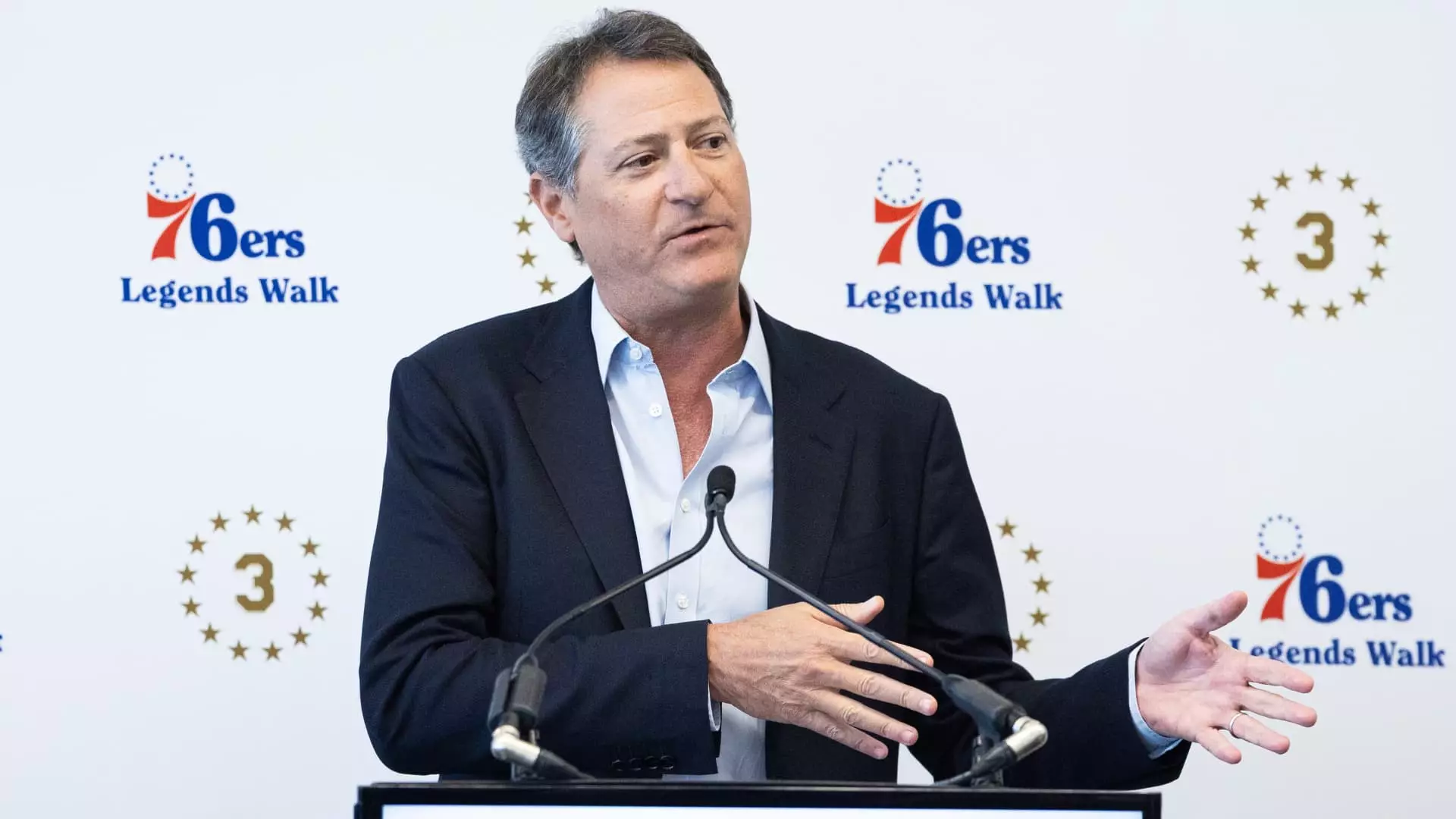
Figures like David Blitzer explicitly state that scarcity drives value; sports leagues are finite, and their growth is built on the idea that demand will always outstrip supply. This logic underscores the manipulation at play: creating a perpetual cycle where sports are packaged as rare, exclusive, and ever-expanding assets, thus deepening wealth inequality and reducing the accessibility of sports for everyday fans. Blitzer’s investments in startups and social clubs exemplify how elite interests are diversifying their portfolios, embedding themselves more deeply into the sports industry’s fabric and further cementing a system that serves the interests of a global elite rather than ordinary fans.
The Power Play Behind the Curtain
What lies beneath this burgeoning phenomenon is a strategic effort to transform sports into tools of social control and economic dominance. By investing in properties, media rights, and emerging sports markets, the wealthy are not just seeking profit—they are shaping the cultural landscape to sustain their privileged status. In doing so, they perpetuate an uneven playing field where access and influence are dictated by wealth, not community or merit.
This growing concentration of ownership and control reflects a broader societal trend that challenges the ideal of sports as a democratizing force. Instead of being a space for shared human experience, sports are increasingly becoming an arena where economic power determines participation, media narratives, and future growth opportunities. The insidious aspect is the veneer of innovation and enthusiasm; beneath it is a calculated strategy aimed at entrenching inequality and manipulating the very fabric of popular culture for private gain.