
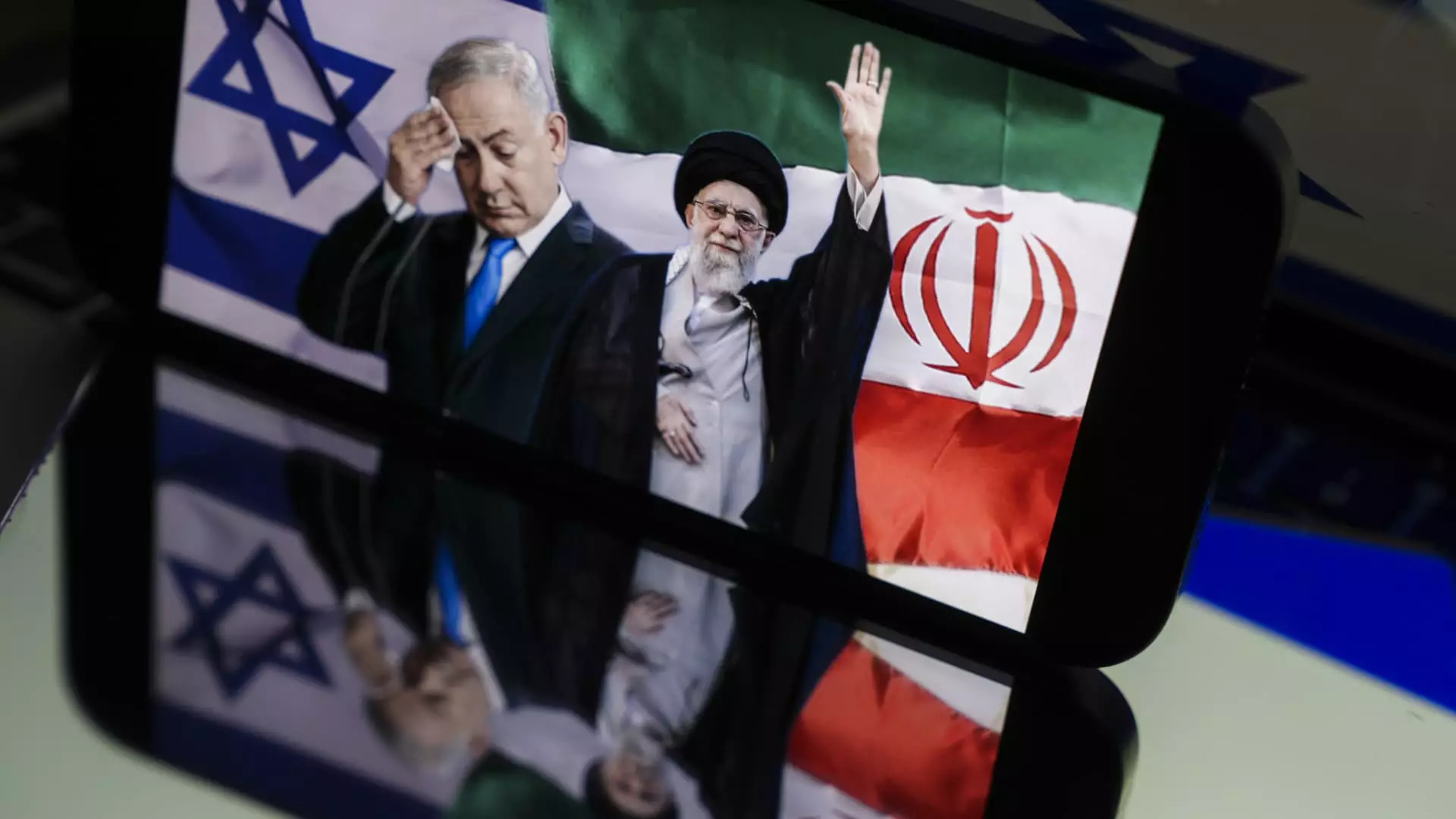
In the complex web of global energy markets, geopolitical conflicts stand out as the most destabilizing force. The recent escalation between Iran and Israel, coupled with U.S. military actions, underscores how war’s ripple effects extend far beyond borders, severely disrupting oil supplies and rattling the fragile economic balance. While some political actors view conflict as a means to achieve strategic objectives, this approach ignores the broader consequences inflicted upon billions of lives worldwide. War, in this context, is an extraordinarily perilous chess move that blindsides entire economies with unpredictable shocks, undermining the stability necessary for sustainable growth and development.
What makes this scenario even more troubling is the assertion by Iran’s oil minister that war “imposes complications on energy producers, and subjects national economies to hardships.” This statement, while seemingly neutral, masks a stark reality: nations embroiled in or affected by conflicts bear the brunt of these disruptions, often suffering long-term economic setbacks. The recent hostilities, though brief, have demonstrated that even regional skirmishes have the potential to send crude prices soaring, creating ripple effects on global inflation, energy affordability, and geopolitical stability. It begs the question—should the pursuit of short-term political victories justify risking entire global sectors on the altar of short-sighted strategies?
War as a Distraction from the Real Problem: Diplomatic Failure
The persistent military confrontations over Iran’s nuclear ambitions reveal a tragic pattern. Instead of channels for diplomatic engagement, there are continuous cycles of sanctions, strikes, and brinkmanship. These tactics, driven by fears of nuclear proliferation, appear to serve more as symbolic wars of wills rather than pragmatic efforts to reach sustainable agreements. The consequence, however, is a deteriorating global trust, increased volatility, and an unhealthy reliance on military interventions to serve political narratives—a dangerous game in a interconnected world where energy markets are more sensitive than ever.
The narrative promoted by U.S. and Israeli officials about “victories” over Iran oversimplifies the nuanced reality: diplomatic deadlock persists, and economic sanctions—such as those heavily targeting Iranian crude exports—predominantly cause civilian suffering while failing to bring about meaningful resolution. When geopolitical leaders prioritize displays of strength over negotiation, the entire world pays the price through fluctuating oil prices and a heightened risk of conflict escalation. The optics of military dominance mask the inability of diplomacy to resolve underlying issues, leading us into a perilous cycle driven more by political bravado than pragmatic solutions.
Market Instability and Its Disproportionate Impact on the Middle East
Iran’s role within OPEC and its potential influence as a major oil producer amplify the risks of conflict-driven market chaos. As the third-largest producer globally, Iran commands a significant share of the world’s oil supply—around 3.3 million barrels per day—making any disruption in its output a matter of global concern. Yet, paradoxically, this strategic importance is often overshadowed by the geopolitics at play, creating a volatile environment where the slightest conflict can send shockwaves through prices and supply chains.
The reliance on shadow fleets and intermediate shell companies further exemplifies the fragility of Iran’s oil economy amid sanctions and political hostility. Accusations of secretive shipments and off-grid operations reveal an economy operating in a constant state of crisis management, which is both inefficient and dangerous. These tactics, driven by sanctions and political hostility, undermine transparency, global cooperation, and long-term stability. The underlying lesson is clear: conflict and sanctions, rather than constructive diplomacy, create a false sense of security while actually heightening the risk of catastrophic disruptions in one of the world’s most oil-dependent regions.
The False Promise of Short-Term Gains and the Need for a Balanced Approach
Leaders often delude themselves into believing that military actions or aggressive posturing can serve as effective tools to reshape geopolitical landscapes. However, this approach ignores the long-term consequences of energy market destabilization, climate change implications, and worsening global inequalities. The current trajectory suggests a perilous game of Russian roulette with the world economy, where the stakes could include not only economic hardship but also political and social unrest fueled by energy shortages and inflation.
The ongoing U.S.-Iran tensions highlight a broader truth: diplomacy must be prioritized over escalation. Sanctions, though economically impactful, are ultimately shortsighted if they lead to increased instability and potential military confrontations. Instead, there should be a deliberate effort to rebuild trust, invest in renewable energy solutions, and foster multilateral cooperation that recognizes shared interests. The illusion that war can be a quick fix distracts from real solutions—ones rooted in dialogue, sustainable development, and strategic patience.
Engagement, not escalation, is the only viable path toward stabilizing markets, ensuring energy security, and ultimately creating a more just and peaceful global order. War, in its many forms, might serve temporary political agendas but leaves a trail of economic devastation that these nations cannot afford to ignore. The future of global energy stability hinges on wisdom and restraint, not on the unchecked pursuit of conflict for short-term gains.