
In recent months, the aggressive push toward tariffs under President Trump’s administration has illuminated a precarious economic landscape. While some supporters tout tariffs as tools to protect domestic industries and assert national strength, the harsh reality is that they often lead to unintended consequences—disruptions that reverberate globally and threaten long-term economic stability. Rather than being a strategic move, these tariffs frequently seem impulsive, driven by political signals rather than careful economic analysis. The recent escalation, including plans for steep levies on crucial imports like copper and pharmaceuticals, signals a reckless pursuit of protectionism that risks market chaos rather than sustainable growth.
Market Reactions: Volatility in the Making
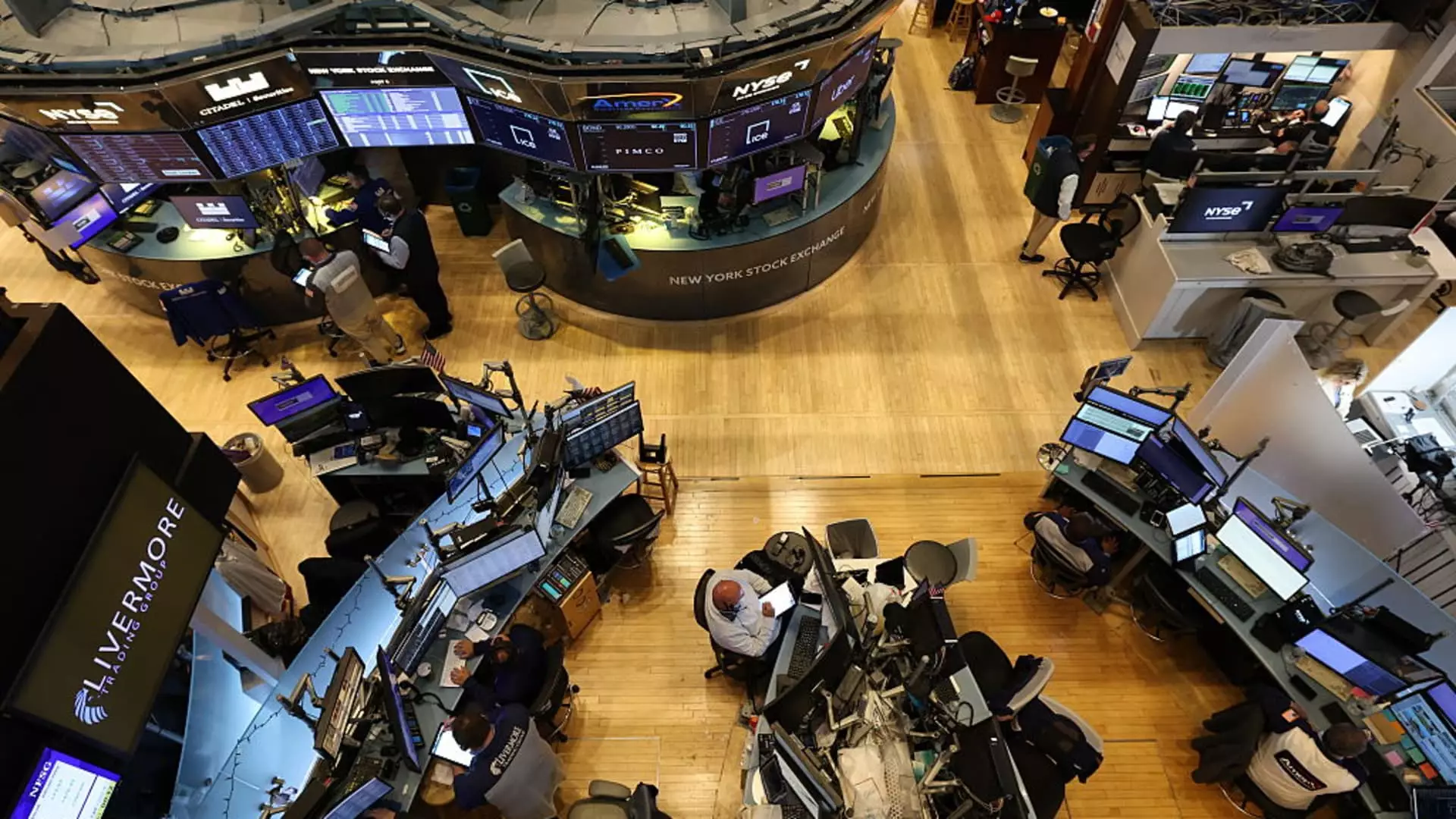
Stock futures’ negligible shifts overnight mask underlying anxieties. The modest upticks in futures are more a reflection of traders’ cautious optimism than genuine confidence. The Dow’s slight gain of 16 points hardly masks the turbulence that tariffs can provoke. Historically, protective tariffs have created ripple effects, from disrupted supply chains to increased production costs, which tend to sting consumers and investors alike. The waning confidence is evident in the stock market’s mixed performance, with major indices fluctuating marginally in response to the latest tariff announcements. Especially concerning is the Dow’s nearly 0.4% decline, signaling uncertainty that traders seem reluctant to dismiss.
The Global Perspective: A Fragile Riposte
International markets have exhibited a fragile resilience, with Japan’s Nikkei, South Korea’s Kospi, and Europe’s Stoxx 600 registering mild gains. However, these gains could be superficial, masking deeper anxieties about trade tensions spiraling out of control. Trump’s unwavering stance—refusing to modify or extend tariffs—invites retaliation, possibly igniting a trade war that benefits no one. The threat to impose up to 200% tariffs on pharmaceuticals is particularly alarming, as it underscores a deep misunderstanding of the complexities inherent in global supply chains and innovation ecosystems. Such drastic measures undermine the balance of fair trade and threaten to escalate geopolitical tensions, risking destabilization of an already volatile economic environment.
A Center-Right Perspective: Caution, Not Confrontation
From a centrist liberal standpoint, this impulsive tariff policy appears shortsighted and disproportionate. While the desire to protect vital industries is valid, the approach taken by the administration demonstrates a failure to appreciate the interconnectedness of the global economy. Free trade, when well-managed, has historically fostered innovation, efficiency, and consumer choice. Rather than risking economic isolation and retaliatory measures, policymakers should focus on pragmatic negotiations and multilateral cooperation. The focus should rightfully shift to building resilient industries and fostering fair trade agreements, not resorting to tariffs that stoke division and economic discord. It’s imperative that decision-makers recognize the importance of constructive diplomacy over disruptive protectionism, for the sake of both domestic prosperity and international stability.