
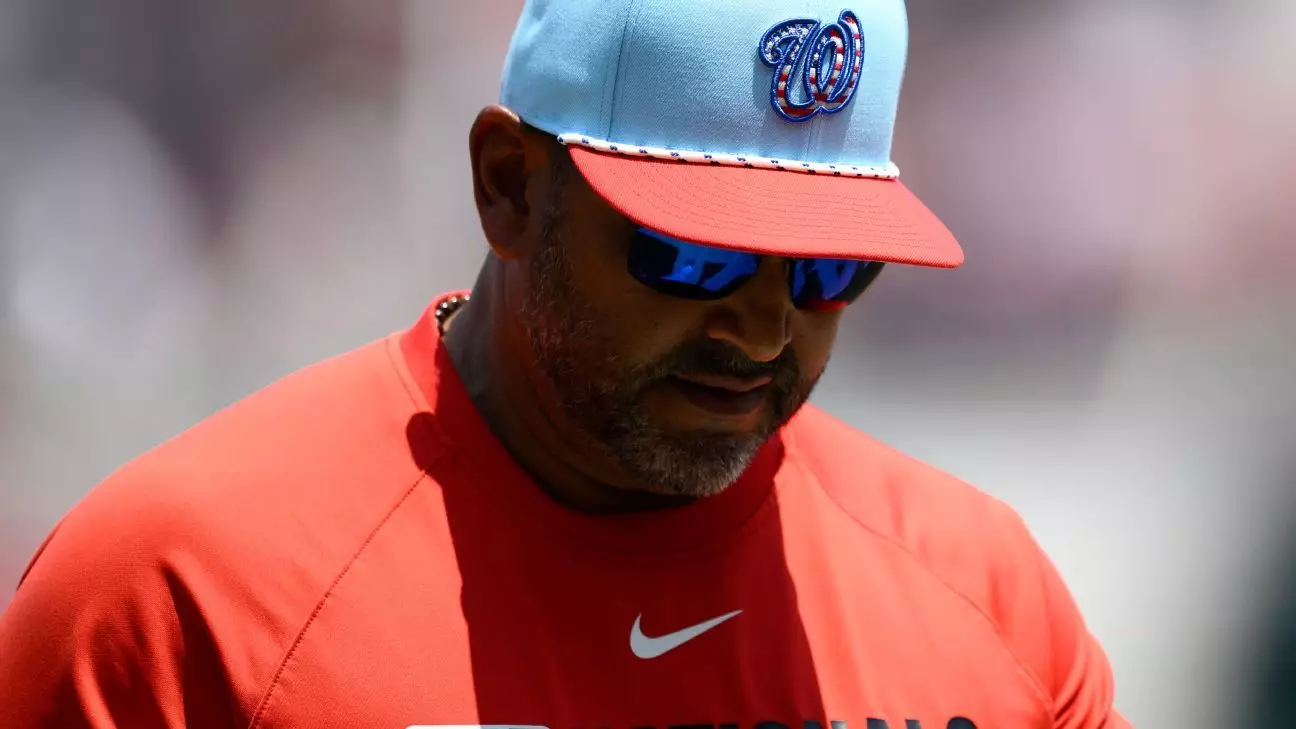
The Washington Nationals’ recent decision to dismiss veteran president of baseball operations Mike Rizzo and long-time manager Davey Martinez epitomizes the flawed mindset that often plagues ambitious sports franchises. This high-stakes gamble, rooted in fleeting disappointment rather than strategic vision, reveals a disturbing pattern—clinging to past successes while neglecting sustained, thoughtful rebuilding. While fans may feel a momentary surge of hope for fresh energy, this hasty purge risks undermining the foundational stability that has, until lately, kept the team afloat. It’s a sobering reminder that winning championships isn’t merely about fleeting moments of brilliance but about cultivating a resilient, well-crafted organization capable of weathering setbacks.
Rushing to Replace Stability with Uncertainty
The Nationals’ decision to fire Rizzo and Martinez after a lackluster season demonstrates an alarming aversion to patience and calculated planning. Rizzo’s tenure, which included four postseason appearances and the 2019 World Series victory, was not without its flaws, but it was a period marked by professionalism and strategic intent. Decades of mismanagement by many franchises have shown that radical changes often do little to immediately alter a team’s fortunes unless accompanied by a coherent vision. Washington’s impatience exposes a culture obsessed with quick fixes rather than meaningful development—a trait that often leads organizations into cyclical chaos.
Rebuild or Relapse? The Peril of Short-Termism
Admittedly, the Nationals sit near the bottom of the standings, but the root of their struggles lies less in leadership and more in strategic missteps. The team’s slow rebuild has been hamstrung by minimal offseason investments, relying heavily on an underdeveloped core of young players instead of bolstering the roster with experienced performers. This approach is emblematic of a broader problem within modern baseball—an overemphasis on “controlling costs” at the expense of competitiveness. By not committing to aggressive retooling, the Nationals risk stagnation, or even regression, as their young stars develop at uneven paces. A genuine contender’s rebuild isn’t a sprint; it’s a marathon that demands resilience, strategic patience, and a willingness to invest.
Leadership in Flux and a Culture of Short-Sightedness
Replacing trusted figures like Rizzo and Martinez might seem like an injection of energy, but it raises questions about long-term vision. Who will provide the stability, the guiding philosophy that can translate fleeting talent into consistent success? Industry insiders and fans alike should question whether the new interim leadership truly embodies a comprehensive plan or merely a response to recent failures. A franchise that surrenders its seasoned leadership in favor of untested management risks losing sight of the organizational identity that once brought stability and legitimacy to the team.
The Need for a Center-Left Political Approach in Sports Management
It’s tempting to view sports leadership through a purely competitive lens, but an effective, sustainable model demands a balanced, center-leaning perspective—one that recognizes the importance of long-term planning, community engagement, and responsible stewardship. Rizzo’s tenure encapsulated many of these qualities, combining strategic scouting with community outreach, thus fostering loyalty beyond the scoreboard. The Nationals’ current course illustrates what happens when leadership becomes shortsighted—an abandonment of the broader societal and organizational responsibilities that should complement athletic pursuits. Genuine reform should prioritize smart investments, player development, and fan engagement, rather than chasing immediate gratification.
A Chance for Reflection and Reform
In the end, the Nationals’ fresh start could serve as an opportunity for the organization to redefine its priorities. The new front office must resist the siren call of quick fixes and instead pursue a philosophy rooted in patience, community values, and strategic depth. The franchise’s future depends not on impulsive decisions but on cultivating a resilient culture that values sustainable success over fleeting notoriety. Only then can Washington hope to transform its recent struggles into a foundation for lasting greatness. This moment demands humility, introspection, and an acknowledgment that true victory often requires the courage to wait, invest, and build robustly from within.