
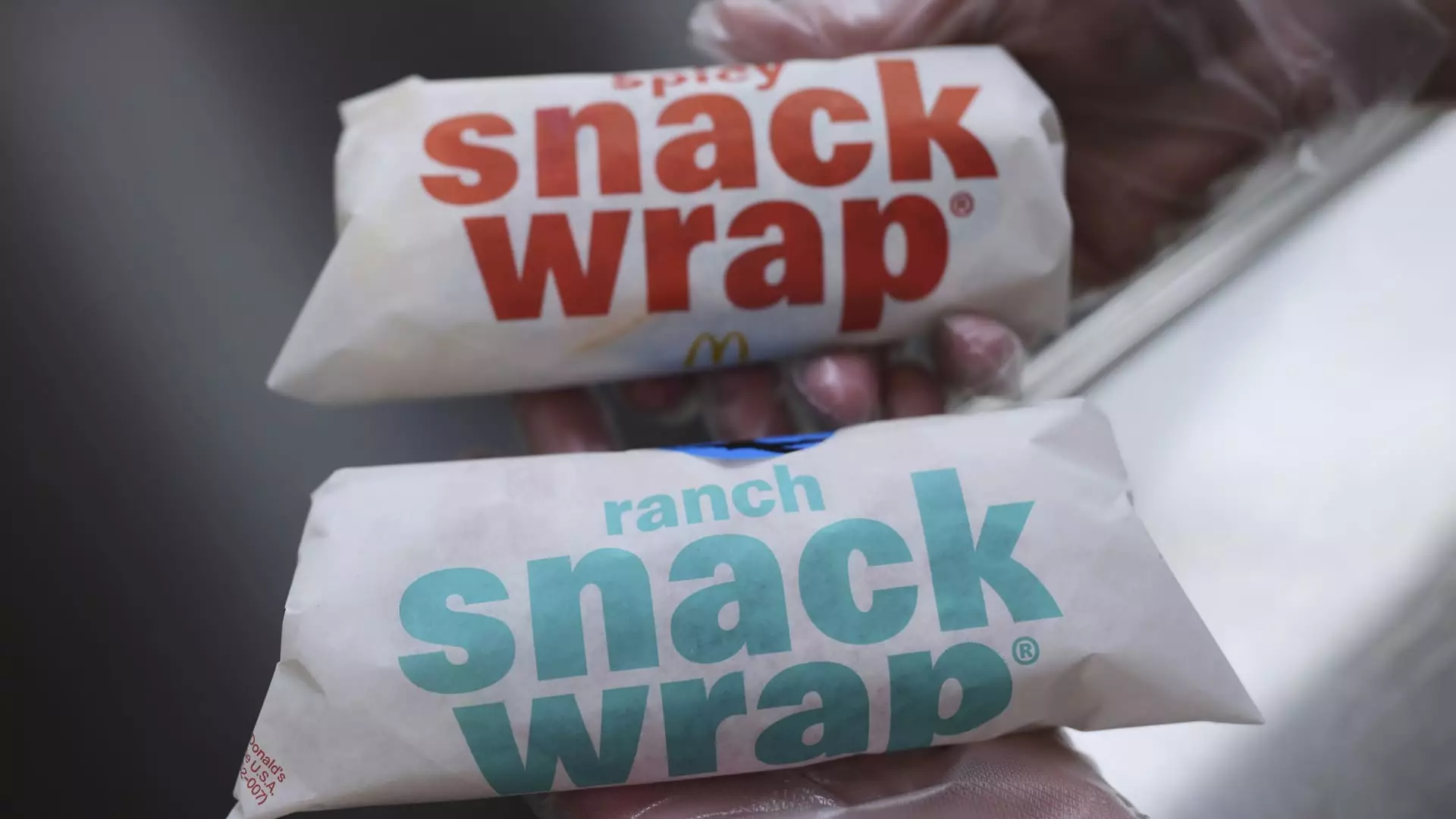
In an era where fast-food giants often chase fleeting trends, McDonald’s decision to reintroduce the iconic Snack Wrap appears, on the surface, to be a masterstroke. After nearly a decade of silence, this move taps into a potent wave of nostalgia that resonates deeply with consumers yearning for familiarity amidst a rapidly changing culinary landscape. The initial surge in customer traffic and media buzz suggests that the chain has rekindled a spark of consumer affection long thought to have faded. However, this apparent success raises pertinent questions about whether such a revival can sustain itself beyond initial excitement or whether it’s merely a temporary reprieve in a declining sales environment. The very act of bringing back a once-loved item hints at McDonald’s understanding that consumer sentiment swings heavily on emotional recall, but relying solely on nostalgia risks neglecting the evolving dietary preferences and health-conscious attitudes that are reshaping fast-food consumption.
Short-Term Triumphs: Fueling Traffic or Masking Underlying Struggles?
The data revealing double-digit increases in foot traffic during the first days of the Snack Wraps’ return certainly signals a positive response. McDonald’s own reports of packed restaurants and social media buzz reinforce the idea that the chain struck a chord with its customer base. Yet, one must be cautious about interpreting this as a definitive turnaround. The recent decline in U.S. sales—highlighted by the largest quarterly decline since the pandemic—underscores that the company continues to grapple with broader economic and competitive pressures. Limited-time promotions and discounted offerings, like the Snack Wraps, often serve as band-aids rather than cures. They spike interest temporarily but do little to address the fundamental shifts in consumer behavior, such as increased demand for healthier, more sustainable options. Therefore, while the Snack Wraps’ return might generate a short-lived rebound, it remains uncertain if this will be enough to reverse the overall sales decline or if it is just offering a fleeting escape from an increasingly complex marketplace.
The Power of Loyalty and the Long Game
Intriguingly, survey data suggests that early adopters of the Snack Wraps are highly loyal customers, averaging 56 visits this year alone—more than double the typical McDonald’s diner. This indicates that when McDonald’s manages to rekindle existing relationships, its fan base remains passionate and engaged. However, the question arises whether this loyalty extends beyond initial novelty. Will these consumers continue to purchase the Snack Wraps consistently, or are they simply succumbing to a momentary craving? Moreover, the product’s integration with McCrispy Strips and the different flavors—ranch and spicy—reflects a calculated effort to diversify appeal, but such diversification alone doesn’t ensure sustained relevance. Fast-food trends are fickle, and the chain must translate these brief moments of enthusiasm into long-term, value-based relationships. In this sense, McDonald’s needs to leverage more than just the nostalgia factor; it must embed innovation and a better understanding of modern dietary expectations into its core offerings.
Future Implications: Will This Be a Turning Point or Just a Flash in the Pan?
While the initial response to the Snack Wraps’ comeback appears promising, history suggests caution. Fast-food companies often indulge in short-term tactics to boost sales without constructing a sustainable business strategy. McDonald’s, a giant with significant resources, might see this as an opportunity to reinforce its positioning as a nostalgic yet adaptive brand. But if it leans too heavily on the allure of treats from the past, it risks alienating consumers who are increasingly health-conscious and seeking innovation beyond comfort-food staples. For McDonald’s to truly capitalize on this momentum, it must shift from reactive promotions to proactive, authentic engagement with evolving consumer values. This may involve integrating more transparent sourcing, healthier options, and clearer nutritional messaging—elements that resonate with center-wing liberal ideals of corporate responsibility and consumer empowerment.
In short, the Snack Wrap revival is a double-edged sword. It demonstrates McDonald’s ability to tap into consumer sentiment when strategically executed, yet it also exposes the fragility of relying on nostalgia in a marketplace hungry for authenticity and change. The real test lies in whether this momentary success will translate into a lasting evolution for the brand—one that balances the allure of the past with the demands of the present—and charts a course that respects consumer intelligence rather than merely pandering to their immediate cravings.