
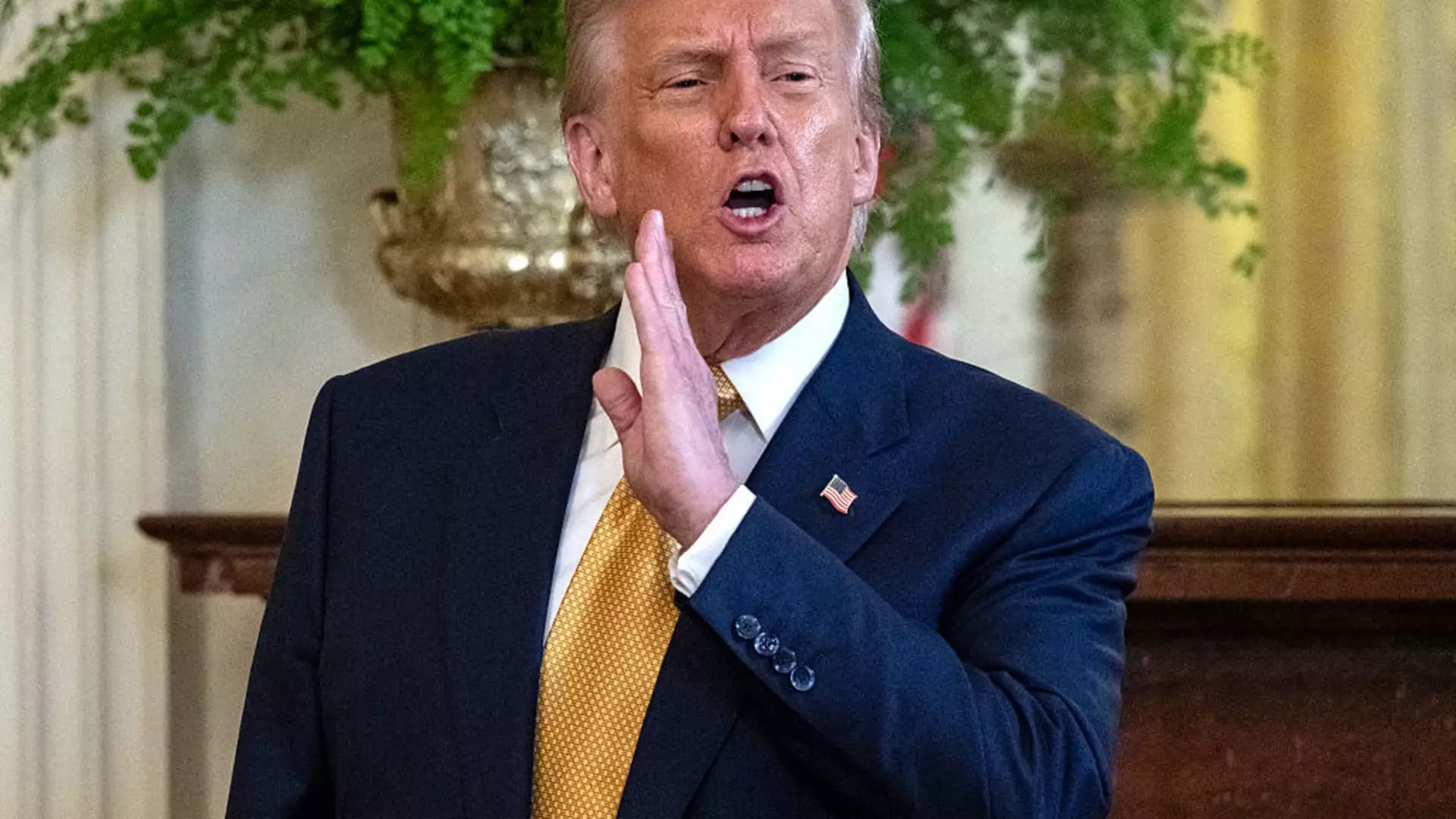
The recent developments in U.S. trade policy reveal an underlying question: is the current approach a calculated strategy or a reckless gamble driven by short-term political gains? President Trump’s pivot from trade negotiations with Japan to the European Union underscores an aggressive posture that, while seemingly assertive, risks plunging the global economy into chaos. The administration’s emphasis on deadlines—urging the EU and U.S. negotiators to meet looming tariffs—suggests a desire for swift victory rather than a thoughtful, comprehensive trade deal. This approach ignores the intricacies of international economics and the mutual dependencies that bind major economies. Instead of fostering true cooperation, it amplifies conflict, threatening to destabilize transatlantic and transpacific trade networks.
By pressing for rapid agreements under duress, the U.S. is gambling with diplomatic relationships and jeopardizing long-term economic stability. The idea that a fraction of tariff threats can force Europe into capitulation disregards the complex political and economic realities they face. Europe’s cautious stance indicates it recognizes the perilous pathway these negotiations tread. It’s naïve to believe that such a confrontational approach yields sustainable benefits; instead, it risks precipitating retaliatory measures that could hobble industries across both continents for years to come.
The Contagion Effect: How One Deal Shapes Global Dynamics
The comparatively optimistic outlook following the U.S.-Japan trade agreement belies the deeper concerns about the wider geopolitical repercussions. While some experts see this deal as a stepping stone toward broader agreements, others warn it may inadvertently embolden protectionist ideologies elsewhere. For instance, the automotive sector’s negotiations are a critical focal point—reduced tariffs on Japanese cars, with no export caps, hint at the potential for similar concessions with the EU. Yet, these negotiations are not merely about vehicles; they symbolize a broader struggle over trade norms.
Europe, heavily reliant on auto exports, faces a delicate balancing act. Its leaders crave a fairer, more sector-specific trade regime that preserves jobs and economic stability. They understand that slipping into a race to the bottom—driven by tariffs and retaliations—could undo decades of economic integration. More importantly, the U.S. approach appears to prioritize immediate tactical victories over strategic alliances, risking alienation and future confrontation.
This situation poses a dangerous precedent: if trade becomes a tool for political posturing rather than mutual benefit, the risk of global fragmentation escalates. The interconnectedness of supply chains, especially within the automotive and tech sectors, makes this blinkered approach extraordinarily perilous. Europe’s cautious diplomacy signals a recognition of this peril—a need to resist impulsive moves that could fracture the global economic fabric.
Geopolitical Chessboard: The Broader Implications of U.S. Trade Tactics
Amid these tense negotiations, the broader geopolitical landscape is becoming increasingly volatile. The European leaders’ visits to Asia, particularly their dialogues with Japanese and Chinese officials, underscore an awareness that trade conflicts are no longer contained but surge into global rivalries. The U.S. protectionist policies feed into China’s concerns about mounting external pressure, deepening the risk of a multipolar trade world where alliances are shifting rapidly.
This is not simply about tariffs or trade deficits; it’s about influence, power, and the future of multilateral cooperation. The U.S., by pressing ahead with tariffs and aggressive negotiation tactics, risks pushing allies into uncomfortable corners—forcing them to choose sides. Europe’s engagement with Japan and China reveals a nuanced understanding that resilience comes from diversified partnerships, not reliance on an unpredictable U.S. administration.
At the heart of this issue lies a fundamental question: does economic strength derive from strategic cooperation or from unilateral dominance? The current trajectory suggests the latter, yet history warns us of the catastrophic consequences of such insatiable protectionism and nationalism. As Europe seeks to safeguard its industries and uphold rules-based trade, it must resist the temptation to let short-term victories undermine long-term stability. Otherwise, the world risks sliding into a fragmented, protectionist era that alienates nations and destabilizes markets.
In sum, the current U.S.-EU trade negotiations serve as a mirror to the broader geopolitical climate—one characterized by opportunism hiding behind a veneer of strategic assertiveness. Yet beneath this surface, there’s a profound risk of economic fracturing, collaboration breakdowns, and a fundamental shift away from the rules-based multilateral system that has underpinned global prosperity for decades. The danger, in essence, lies not just in tariffs but in the reckless abandonment of diplomatic prudence that could shape a less interconnected, less stable world order.