
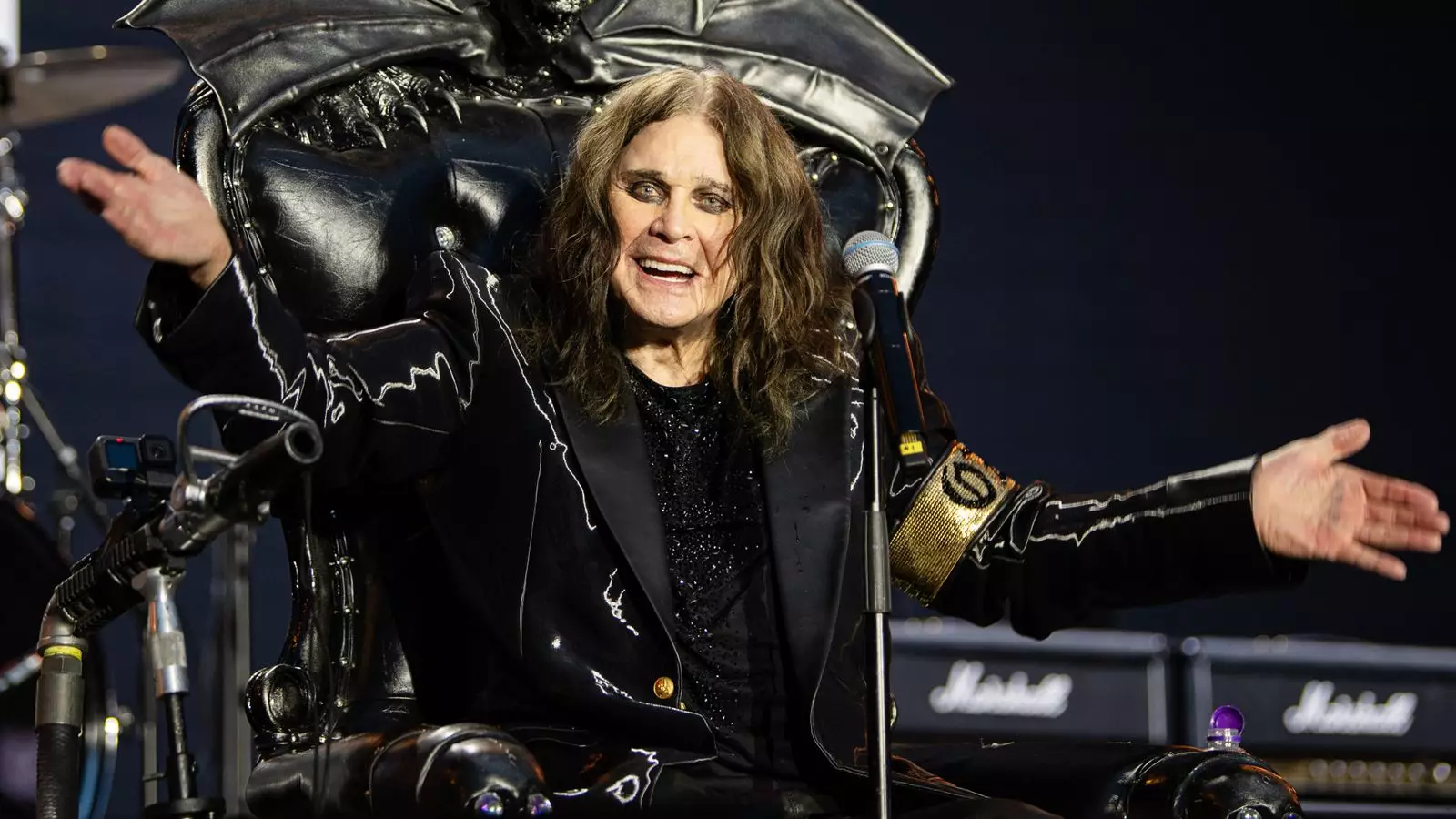
The recent passing of Ozzy Osbourne marks not only the loss of a music legend but also highlights a deeper societal failure to truly understand and appreciate the complexities of such influential figures. From his early days as the rebellious prince of heavy metal to his controversial personality and health struggles, Osbourne’s death forces us to confront how our culture venerates, or often trivializes, icons who have shaped our collective identity. His death was announced amidst somber reverence, but it also reveals the fragility of our cultural memory and the superficial engagement we often display toward those who leave us too soon.
While fans mourn his departure, there remains an undercurrent of superficial nostalgia rather than critical reflection on his profound impact. His career was fraught with excess and controversy—battles with addiction, health issues, and an unapologetic attitude that blazed a trail through the music industry. Yet, society tends to romanticize his chaos while neglecting the deeper systemic issues that give rise to such lifestyles: a culture that pushes young artists toward dangerous excesses under the guise of rebellion. His death serves as a stinging reminder that even the most iconic figures are human, vulnerable to mortality and societal pressures that often go unchecked.
The Mythologization of a Troubled Legend
Osbourne’s narrative surpasses his musical achievements; it is a reflection of our own contradictions. We elevate him as the “Prince of Darkness” and a symbol of liberation from convention, yet we often ignore the toll that fame and relentless public scrutiny take on individuals. His battle with Parkinson’s disease and other health complications underscore a tragic reality—greatness often comes at a cost that the broader society prefers to overlook. This selective glorification distorts the human aspect of iconic figures, turning them into mythic symbols rather than acknowledging their vulnerabilities.
Furthermore, his controversial antics, from the infamous bat-biting incident to drug-fueled escapades, are often sanitized or exaggerated depending on the narrative convenience of the media. This selective storytelling prevents a nuanced understanding of Osbourne as a complex individual: a man who sought relief from his demons through music and chaos but also endured suffering quietly. Instead of celebrating his resilience or critically analyzing the systemic issues that fostered such behavior, society prefers to chase sensationalism, reducing his life to stories of excess and rebellion.
Reflections on Society’s Treatment of Icons
Osbourne’s death exposes a broader societal tendency to idolize at the expense of understanding. We reward individuals like him with fame and accolades but neglect the human cost behind their personas. The industry’s relentless demand for more—more tours, more hits, more spectacle—contributes to the unhealthy pressures that performers face. This cycle of exploitation is seldom questioned, yet it manifests in tragic outcomes for many artists, including Osbourne himself.
This phenomenon also reveals a fundamental flaw in how celebrity culture functions. Fame is often granted without accompanying responsibility or empathy, turning public figures into commodities rather than whole persons deserving compassion. Ozzy’s story, replete with highs and lows, forces us to ask whether we are truly honoring the person or merely the myth, the spectacle. The superficial mourning after his death risks becoming another chapter of society’s pattern of commodifying grief and nostalgia without considering the deeper implications of his life and struggles.
Assigning Real Value to a Life Well-Lived
In examining Ozzy Osbourne’s life, we must confront the question: What does it truly mean to honor a cultural icon? Is it enough to celebrate his musical legacy, or should we also acknowledge the humanity behind his public persona? As a society, our celebration of figures like Osbourne often skews toward simplistic narratives—rebellion, excess, fame—while sidestepping the real lessons about mental health, addiction, and resilience.
By critically evaluating his life within a broader social context, we can foster a more empathetic understanding of the toll that stardom exacts and what it signifies for our collective consciousness. Osbourne’s journey was inherently intertwined with social issues that remain relevant: addiction, mental health stigma, the commercialization of rebellion. Recognizing these themes allows us to develop a more nuanced appreciation that challenges the superficial idolization so prevalent today.
His death should serve not solely as an end but as a provocative call to introspection—on how society constructs heroism, how it treats its fallen icons, and how we can learn from their stories to build a compassionate culture capable of recognizing vulnerability amidst greatness.