
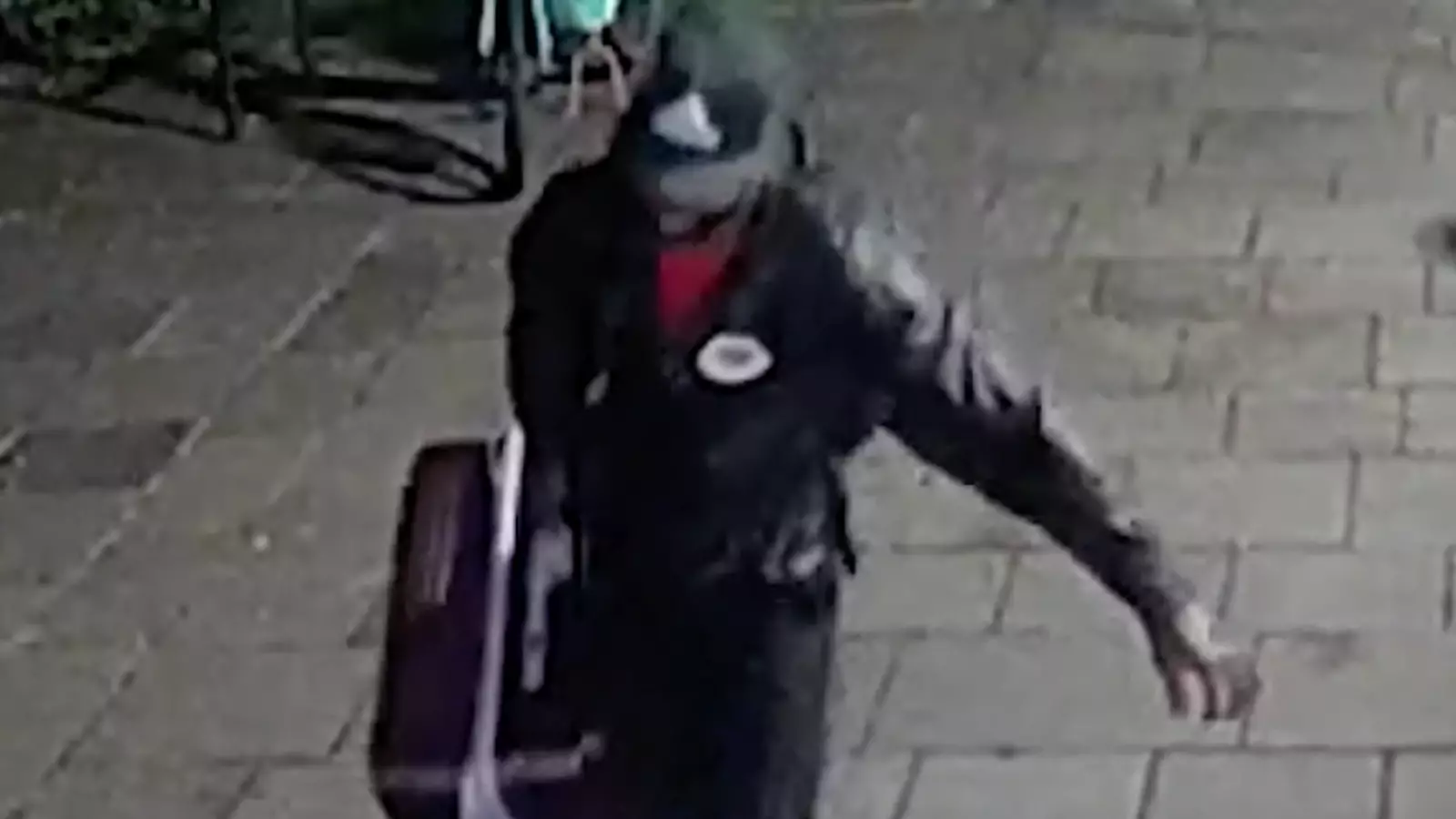
In a case that reveals the dark underbelly of human violence and the tragic consequences of societal apathy, the recent murders in west London have scandalized the public conscience. Yostin Andres Mosquera’s heinous acts—decapitating his victims and storing body parts in freezing chambers—shocked even seasoned law enforcement professionals. Yet, beyond the brutality lies a story of ordinary citizens, blindsided and traumatized not merely by witnessing the aftermath but by their unintentional complicity in the events leading to further tragedy.
The tragic aftermath underscores humanity’s unsettling tendency to overlook the signs of deep evil lurking in everyday life. Passersby, initially unaware of the horror unfolding before them, attempted to aid Mosquera—believing he was merely a man in distress, struggling with heavy luggage. These individuals, driven by kindness or confusion, were monumentally unprepared for the sinister truth within those suitcases. Their actions, stemming from a desire to help, inadvertently facilitated the murderer’s plans to dump the evidence of his crimes, exposing a critical failure of societal vigilance. Their trauma reflects a collective failure to recognize danger—an unsettling indictment of how easily civility can be exploited.
The Failures of Society and the Broken Moral Compass
This incident highlights troubling shortcomings within community awareness and the importance of collective responsibility. The fact that ordinary citizens, under the belief that they were assisting someone in distress, found themselves entangled in a web of horror raises questions about the effectiveness of social vigilance. How many other signs of violence or mental instability are overlooked in everyday life? Society often turns a blind eye to subtle signs of pathology, allowing violence to grow beneath the surface.
The case also underscores the dire necessity of adequate public education and mental health intervention. If bystanders had recognized warning signs earlier or had the tools to differentiate between panic and malevolence, perhaps tragedy could have been averted or mitigated. Instead, a society that emphasizes individualism over community responsibility leaves its members vulnerable to exploitation and harm. The failure isn’t merely on Mosquera’s shoulders but reflects systemic flaws—the lack of community safeguarding mechanisms that could prevent such monstrosity from escalating.
Justice and the Flawed Human System
The swift arrest of Mosquera at Bristol Temple Meads station demonstrates effective police work, but it also exposes the fragile nature of our justice system. This case reveals the importance of both prompt law enforcement response and the critical role of brave civilians, like the cyclist who documented the fleeing murderer—whose quick thinking proved pivotal in advancing the investigation. Yet, while the police are commendably thorough in later stages, their role underscores a reactive system rather than a proactive one. Preventing such horrors should be the societal goal, not merely solving them afterward.
Furthermore, this tragedy exposes the emotional toll on investigators and the broader community. The officers’ descriptions of their experiences—opening suitcases filled with human remains—highlight a moral crisis about society’s capacity to confront and process brutal violence. The trauma inflicted by such sights is compounded by the knowledge that better societal vigilance might have intercepted Mosquera earlier. It confronts us with the reality that justice, though paramount, often arrives only after immense suffering, and that many atrocities are products of a society that failed to see or act in time.
Challenging the Culture of Mediocrity and Indifference
As a society, we are compelled to reflect on how we can cultivate a culture of awareness and compassion that transcends passive observation. Public apathy or the misconception that crimes are distant or hyperbolic contributes to an environment where killers like Mosquera can operate seemingly unchecked. The incident should serve as a wake-up call—an affirmation that not every distressed person is harmless, and that our collective safety depends on mutual vigilance.
The tragic story also forces us to confront uncomfortable truths about the limits of kindness in a world fraught with darkness. Extending compassion requires discernment and awareness; otherwise, it risks becoming an accomplice to evil. Society must strike a delicate balance—fostering empathy without naivety. Investing in mental health resources, fostering community engagement, and encouraging individuals to trust their instincts are crucial steps to prevent similar tragedies.
In the end, this case is a stark reminder: the veneer of civility is fragile, and under it often lurks chaos. The hope resides in a society willing to learn from its failures—where kindness is paired with vigilance, and justice is pursued relentlessly before the worst happens again.