
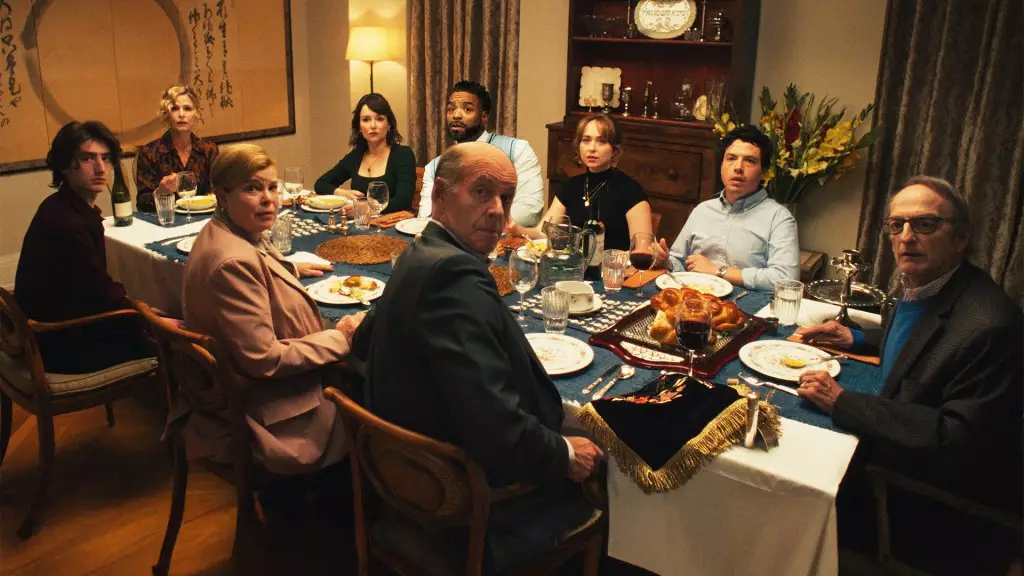
In an industry increasingly dominated by blockbuster franchises and high-budget spectacle, the quiet victories of independent films serve as a vital reminder of cinema’s core purpose: to reflect diverse stories and authentic human experiences. Menemsha Films’ “Bad Shabbos” reaching over one million dollars at the U.S. box office stands as a testament to the collective appetite for meaningful, relatable storytelling. It’s an affirmation that even limited releases, often perceived as niche or risky, can resonate deeply when rooted in sincerity and well-crafted narratives. This modest yet impressive milestone challenges the narrative that only large-scale productions matter, emphasizing that quality storytelling can carve its own path despite an unforgiving market.
Much of this success is driven not by aggressive marketing campaigns but by word of mouth and sustained theatrical presence. The film’s prolonged run, spanning multiple cities and extending into different markets, underscores the importance of persistence and patience—qualities often undervalued in the era of instant gratification. Smaller, character-driven films may not generate immediate blockbuster numbers but cultivate loyal audiences who seek out the authenticity they lack in the more formulaic, globally marketed fare. The story of an interfaith couple navigating the complexities of tradition and tragedy captures a universal struggle, yet it does so through humor and heartfelt nuance, making it accessible and compelling without reliance on high-octane spectacle or spectacle-driven marketing.
Challenging the Digital Dominance: Cinema’s Last Bastion of Intimate Storytelling
While streaming platforms have reshaped how we consume entertainment, limited theatrical runs continue to play a critical role in maintaining a sense of community and direct engagement with films. The success of “Bad Shabbos” on a small scale spotlights an evolving industry dynamic: theaters remain vital spaces where genuine connection between viewer and story flourishes. Unsurprisingly, films like this often find more resonance in theaters—spaces designed to focus attention and foster collective experience—than in the digital realm, where the algorithm dictates what we see and when.
The perseverance of independent films in theaters illustrates an essential resistance to homogenization. These movies often thrive on niche appeal, capturing specific cultural or social segments overlooked by mainstream Hollywood. For example, the continued screenings of “Bad Shabbos” in places like Boston and Los Angeles reflect a broader cultural demand for diverse narratives that challenge monolithic perspectives. This, in turn, suggests a democratic evolution within the industry—film audiences are craving authenticity and representation, not just safe, market-tested content. The resilience of these smaller films signals that films can still be powerful social artifacts, capable of fostering conversation and reflection long after their initial release.
The Power of Authenticity Over Commercial Hype
A key lesson from the indie landscape is that genuine storytelling triumphs over superficial marketing and spectacle. The steady success of “Bad Shabbos” demonstrates that films addressing real issues—interfaith relationships, tragedy, humor rooted in cultural identity—can build dedicated audiences through emotional authenticity and relatable characters. The film’s cast, featuring well-known actors like Cliff “Method Man” Smith and Milana Vayntrub, bridges diverse fanbases, further amplifying its reach.
This kind of success underscores the importance of supporting films that prioritize narrative integrity over commercial gimmicks. In a time when Hollywood often relies on spectacle to attract viewers, the quietly persistent indie projects serve as a counterbalance—reminding us that heart, truth, and originality are more powerful than ever in a fractured media landscape. As filmmakers and audiences alike continue to value authenticity, it becomes apparent that the future of cinema hinges on nurturing diverse voices and stories—regardless of initial box office expectations or marketing budgets.
Resisting the Monolith: The Future of Independent Film Is Resilient and Relevant
Despite the challenges posed by market consolidation and the dominance of global franchises, independent films prove their relevance through resilience and cultural significance. The ongoing screenings of “Bad Shabbos” and similar films reflect an industry that is slowly but surely leaning into diversity and authenticity. They serve as a protest against the homogenizing forces that threaten artistic independence, reaffirming that cinema’s greatest strength lies in its capacity to tell meaningful stories that challenge, entertain, and inspire.
The independent sector’s quiet, steadfast growth signals a cultural shift—not toward spectacle for spectacle’s sake but toward films that matter on a human level. These films remind us that art is most powerful when it reflects genuine human complexity, and that storytelling rooted in truth can carve out its space, even in an ever-hegemonic industry. The future may be uncertain for mainstream Hollywood, but in the shadows of this commercial behemoth, an enduring movement persists—one that champions diversity, authenticity, and the unyielding human spirit.