
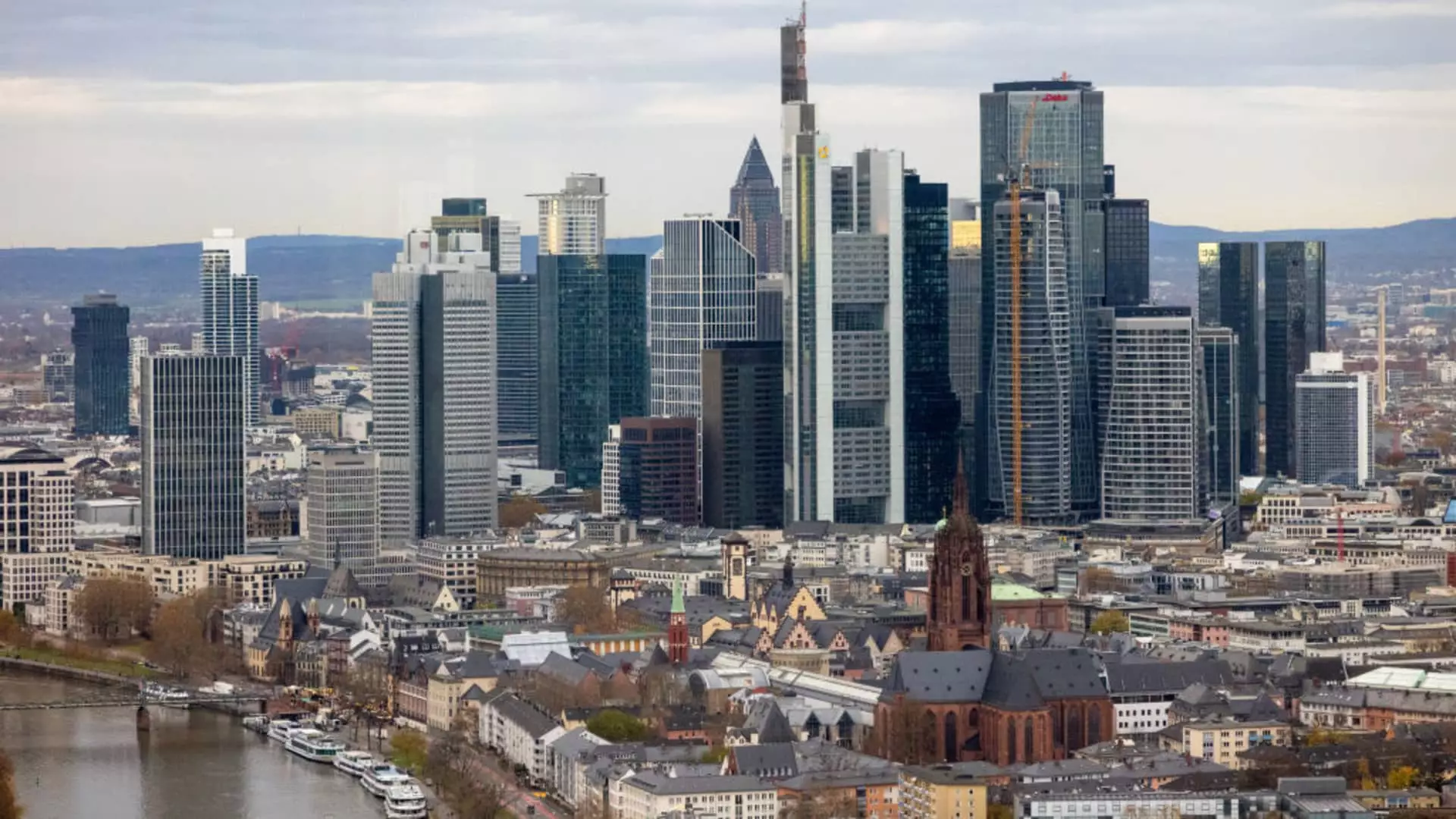
As Europe’s financial sector prepares for a pivotal week, surface-level optimism masks a fragile undercurrent threatening to destabilize the continent’s economic outlook. While major banks like Unicredit, BNP Paribas, and Deutsche Bank report earnings that seem impressive at first glance, these gains are less a testament to robust fundamentals and more a reflection of strategic maneuvering in a volatile environment. The banking sector’s confidence, fueled by recent resilience, risks overlooking the deep-seated vulnerabilities stemming from geopolitical tensions, trade disruptions, and economic complacency.
The recent string of positive earnings, particularly for giants like Citigroup, presents a deceptive narrative. The claim of a “remarkably resilient” first quarter should be scrutinized — not as a sign of enduring strength, but as echo chambers of hope amid mounting uncertainties. European banks, in particular, exhibit signs of overreliance on trading volumes spurred by short-term market volatility rather than sustainable growth. Their reported profits could quickly evaporate if external shocks like tariffs or political upheaval intensify, exposing the sector’s exposed Achilles’ heel.
Banking Giants and Geopolitical Crossroads
Unicredit’s ambitious expansion plans, including its recent stake increase in Commerzbank and the speculative push towards Banco BPM, highlight a banking industry caught between growth ambitions and legal-political realties. The Italian court’s blockade of the Banco BPM deal underscores how regulatory and judicial hurdles complicate these strategic moves. For investors, the 50% stock rally this year may seem encouraging, yet it masks the inherent risks of overextension in an environment riddled with uncertainties.
Similarly, BNP Paribas’s performance exceeds expectations, primarily driven by its investment banking division, yet the revised profitability outlook signals underlying fragility. As banks chase short-term gains amid a sluggish economic backdrop, the sustainability of such earnings is questionable. The risk is that these institutions are riding a wave of temporary market conditions, not fundamental growth, leaving them exposed should volatility admit a resurgence.
Deutsche Bank’s recent record profit offers a stark contrast — a rare beacon of hope. Yet, such successes are often built on a foundation of increased trading activity, a mirror to market volatility rather than genuine economic expansion. Christian Sewing’s suggestion of Europe investing more in defense indicates an attempt to diversify revenue streams, but it also signals an acknowledgment that the banking sector’s traditional models may be inadequate to counteract broader geopolitical uncertainties.
ECB’s Delicate Balancing Act and the Threat of Tariffs
The European Central Bank finds itself at a nexus of conflicting pressures. While policymakers are expected to hold rates steady at 2%, external threats loom large. The potential imposition of 30% tariffs by the Trump administration threatens to derail the fragile recovery. If such tariffs materialize, the ECB will face intense pressure to respond swiftly, likely through monetary easing measures like rate cuts to cushion the blow.
The ECB’s decision, however, is not merely a matter of monetary policy but a reflection of vulnerability when external shocks threaten to jeopardize the economic stability painstakingly maintained so far. The current complacency among investors about inflation risks and the looming tariff deadlines illustrate a dangerous underestimation of the potential for disruption. Market complacency may have served short-term interests, but it risks blinding policymakers and investors to an imminent storm.
Deutsche Bank’s warnings that European inflation is underestimated and that asset complacency persists cast further doubt on the resilience of the region’s economic glue. The macroeconomic landscape remains precariously perched, with recent gains masking deeper structural vulnerabilities. The upcoming weeks will be critical in revealing whether the constructed fortress of European banking can withstand the encroaching forces of geopolitical and economic volatility or whether it will succumb to the mounting pressures from all sides.
The narrative of European banks rebounding and resilient markets is increasingly a mirage crafted in the eye of external chaos. Underneath this veneer lies a fundamental fragility rooted in overleveraged trading strategies, geopolitical standoffs, and complacency about inflation and economic growth. As policymakers hesitate and external threats loom, the banking sector’s supposed resilience might soon be tested — revealing whether it is a genuine bastion of strength or merely a precarious house of cards vulnerable to the next gust of turbulence.