
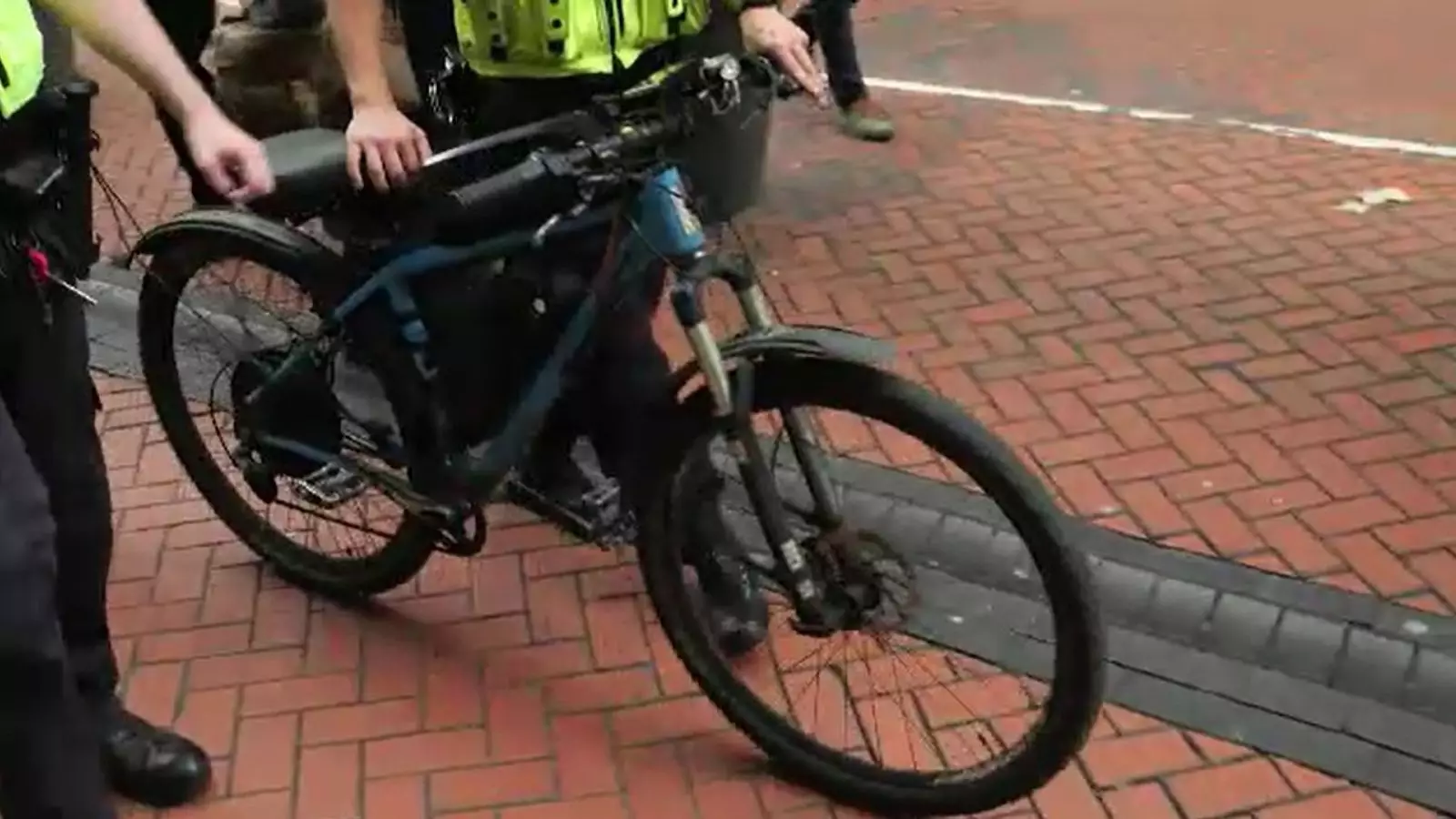
In bustling city centers, the sight of delivery riders zipping through streets on sleek e-bikes has become commonplace, symbolizing modern convenience and rapid service. Yet beneath this apparent efficiency lies a precarious reality—an underground market of illegally modified electric bikes that threaten both public safety and regulatory order. These bikes, often tampered with, exceed speed limits by significant margins, transforming from simple tools of delivery into potential weapons on wheels. This issue is not merely about traffic violations but underscores deeper concerns about urban safety, regulation enforcement, and social responsibility.
What makes illegal e-bikes particularly alarming is their ability to rapidly accelerate beyond safe thresholds. In the West Midlands, police have begun proactive operations targeting these vehicles, uncovering bikes that can hit speeds over 30mph—double the legal limit. The physical evidence, such as taped-on batteries and conspicuously large motors, exposes the laxity of some riders’ compliance. The danger is palpable: these bikes are ridden recklessly, often in crowded zones where pedestrians—especially children and the elderly—are vulnerable. Local residents, like Sandra, express legitimate fears, recounting near-misses and highlighting the urgent need for stricter oversight.
Moreover, the illegal modification of e-bikes fosters a shadow economy that complicates law enforcement efforts. While the police confiscate these bikes, the problem persists because of the ease with which technology can be altered and the demand for faster, more powerful delivery vehicles. These modifications often evade traditional checks, and the operators—mostly gig economy workers—are caught between economic necessity and safety regulations. Many claim they believed their bikes were compliant, revealing a broader issue of awareness and responsibility within the delivery industry.
Systemic Failures and Ethical Dilemmas in Regulation and Employment
The crackdown on illegal bikes is indicative of systemic gaps within how cities govern emerging transportation technologies. Regulatory frameworks have struggled to keep pace with technological advances, leaving room for exploitation and negligence. Fast food delivery firms, under pressure to meet customer demand, inadvertently contribute to this cycle by failing to enforce stricter safety guidelines. Companies like Uber Eats and Deliveroo insist they uphold obligation standards, but the reality on the ground often suggests a disconnect between corporate policies and everyday practices.
Furthermore, the presence of immigration enforcement during these operations reveals an intersection of multiple social issues. The discovery of individuals entering the UK unlawfully underscores the complexity of urban crime and migrant vulnerabilities. While enforcement actions are necessary, they risk overshadowing the broader conversation on integrating migrant workers within legal and safe frameworks. The focus should not solely be on punishment but also on providing equitable pathways that enable gig workers to operate within legal boundaries, ensuring safety for all parties involved.
The personal stories, like that of Demoz, highlight the moral and economic dilemmas faced by delivery riders. Mistakenly believing their bikes were compliant, they find themselves in a cycle of confiscation and job insecurity. With many contemplating quitting or changing jobs, the industry’s dependency on these workers underscores a pressing need for systemic reform—one that emphasizes education, regulation, and fair employment practices rather than punitive measures alone.
Moving Toward Sustainable Solutions with Ethical Responsibility
Addressing the menace of illegal e-bikes extends beyond police raids and confiscations. It demands an integrated approach that combines stricter regulations, technological innovation, and industry responsibility. Governments must modernize their legal frameworks, creating clear standards for e-bike modifications and enforcing them rigorously with real accountability. Manufacturers and delivery firms should also adopt proactive roles—training workers, providing standardized equipment, and fostering a culture of safety and compliance.
An ethical approach recognizes the socioeconomic realities faced by gig workers and seeks to empower them through education and support rather than punitive actions. The industry’s role is crucial: by investing in legal, safe alternatives and facilitating awareness campaigns about the dangers of illegal modifications, they can reduce the incentive for risky behaviors. Community engagement and public awareness can further mitigate risks, fostering environments where safety is prioritized without stigmatizing vulnerable workers.
Ultimately, tackling illegal e-bikes requires a paradigm shift—one grounded in responsibility, fairness, and foresight. Rather than merely reacting to violations, stakeholders must collaborate in shaping a smart, safe, and inclusive urban mobility landscape that protects everyone while respecting the dignity of the workers who serve it.