
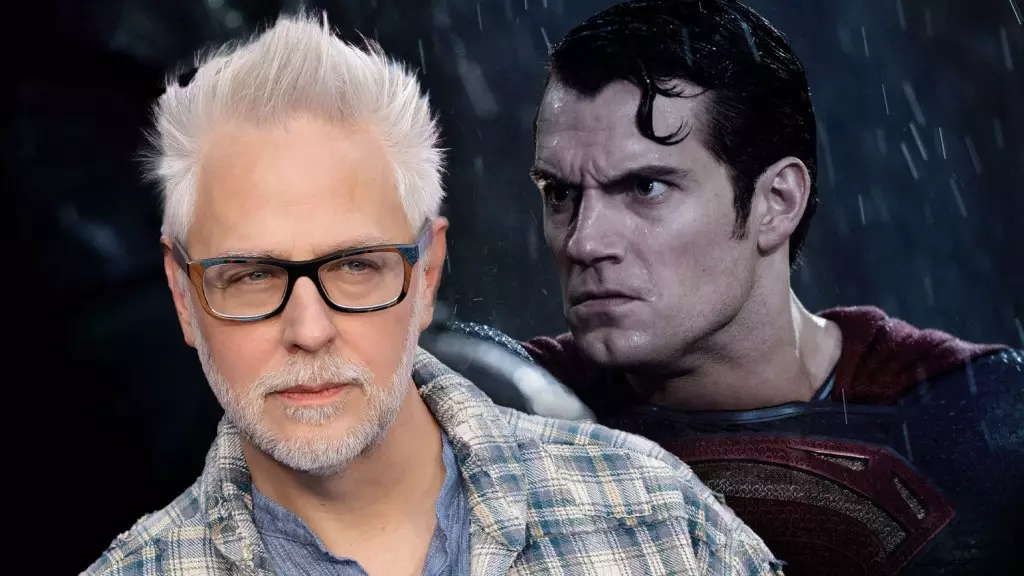
The recent shifts within DC Studios exemplify a deeper, troubling pattern that plagues modern blockbuster franchises: a constant struggle for clear, consistent direction. Instead of cultivating a unified vision, the studio seems mired in indecisiveness, sacrificing artistic integrity and narrative coherence for the sake of superficial changes and actor politics. The decision to replace Henry Cavill with a new face like David Corenswet underscores an obsession with fresh starts rather than fostering authentic storytelling, revealing a superficial commitment to innovation that often rings hollow.
Rather than valuing storytelling as an art form that evolves naturally, DC appears to be swayed repeatedly by external pressures—be it studio mandates, fan reactions, or internal power struggles. These shifting sands erode any opportunity for a compelling universe to develop its own identity. This chaotic approach ultimately undermines the franchise’s potential to offer meaningful, cohesive narratives that resonate with audiences on a profound level. Instead, what we witness is a game of high-stakes political maneuvering that puts egos over artistic integrity.
The Cost of Insincerity in Leadership and Fan Engagement
James Gunn’s candid remarks about Henry Cavill’s departure shed light on a culture of superficial diplomacy that pervades Hollywood’s corporate machinations. While Gunn’s words aim to show empathy, they also reveal a core issue: the prioritization of image and calculated politeness over genuine transparency. Labeling Cavill as an “absolute gentleman” and emphasizing how unfair it was to him feels less like authentic compassion and more like a shield for the studio’s reckless decision-making.
This veneer of politeness masks a deeper failure—an inability to embrace the messiness of creative evolution. Instead of risking honest conversations that might lead to better storytelling, the industry prefers sanitized narratives that placate fans or cover up behind-the-scenes conflicts. The ongoing saga diminishes fans’ trust, as loyalty is exploited to serve short-term agendas rather than long-term artistic growth. Genuine engagement would require acknowledging mistakes and fostering a culture that values consistent storytelling over spectacle-driven PR stunts.
Power Dynamics and the Erosion of Artistic Freedom
The internal power struggles at DC reflect a broader crisis of authority within Hollywood’s production hierarchies. The influence of corporate executives like David Zaslav appears more focused on brand control and marketability than nurturing creative talent. The “vacuum” referenced in discussions about DC’s leadership vacuum is less an absence of vision and more a symptom of misaligned priorities—where political wins and franchise continuity overshadow the development of innovative storytelling.
This environment discourages creative risk-taking and often leads to mediocrity wrapped in spectacle. Instead of embracing change and fostering new talents, studios cling to the myth that star power and familiar faces are the only guarantees of commercial success. Paradoxically, this conservative approach hampers long-term growth, as audiences crave authentic stories that challenge stereotypes and reflect complex realities. The current paradigm, driven by ego and short-sightedness, guarantees a future of stagnation rather than inspiring reinvention.
The False Promise of Reinventing for the Sake of Reinvention
The decision to reboot Superman with a new actor, despite Cavill’s popularity, exemplifies a shallow obsession with perpetual renewal. This tactic often feels like a brand strategy rather than a genuine effort to tell better stories. It reduces characters to interchangeable assets within a game of franchise currency, stripping away their depth to chase fleeting trends.
Far from being a forward-thinking move, this pattern exposes a fear of authentic growth. Instead of building on the established mythology and deepening character portrayals, studios risk alienating core audiences with superficial changes. Reinvention should be rooted in meaningful storytelling, not just the desire to appear trendy or disruptive. When creative decisions are dictated by external pressures—be they business or political—the art of storytelling becomes a casualty, leaving fans disenfranchised and critics skeptical of the franchise’s future.
In this landscape, DC’s internal conflicts serve as a cautionary tale of ambition unchecked by sincerity. The desire to appeal to a broad audience often results in compromises that diminish storytelling’s power. Instead of genuine innovation, what we get is a cavalcade of clever headlines and superficial reboots, with little regard for the lasting cultural impact.