
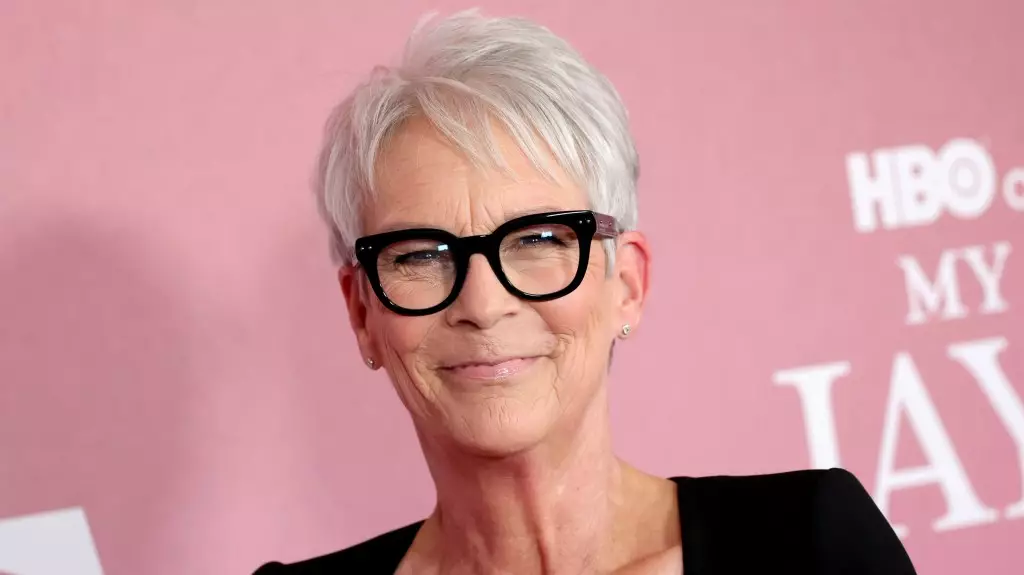
Hollywood’s relentless obsession with youth and beauty is not a secret; it’s an open secret that governs the careers of countless actors, particularly women. The recent comments by Jamie Lee Curtis lay bare a harsh truth that many prefer to ignore: aging in Hollywood often means marginalization, marginalization that is both brutal and systematic. For decades, actresses like Janet Leigh and generations of women before her have watched their careers fade once they age, their talents overshadowed by societal and industry-driven superficial standards. Hollywood’s refusal to accept aging actors as relevant mirrors a cultural discomfort with mortality, aging, and natural human evolution. It’s a glaring double standard where men are welcomed into their later years with roles that celebrate their experience, while women are pushed out, rendered invisible except for exploitative nostalgia or cosmetic veneers.
The industry’s obsession with youth fosters a toxic environment where aging is equated with irrelevance, especially for women. Curtis’s candid acknowledgment underscores how pervasive and damaging this phenomenon is—women are encouraged, often implicitly, to cling to the illusion of eternal youth through expensive and often disfiguring procedures. Hollywood profits from this beauty industrial complex, and in doing so, it contributes to a widespread erasure of authentic aging. This systemic disregard for seasoned performers not only robs industry veterans of opportunities but also reinforces societal ageist stereotypes that seep into everyday attitudes about aging and femininity. Recognizing this pattern is the necessary first step toward challenging an industry that profits from—and perpetuates—age discrimination, rather than valorizes the richness of experience and maturity.
The Personal and Cultural Impact of Ageism
Curtis’s reflection on her parents’ careers and her own decision to consider retirement exposes the deeply personal toll of Hollywood’s ageist policies. Her choice to “self-retire” is a testament to her awareness of the industry’s rejection of aging performers. Yet, this decision also reveals a broader cultural malaise: a society unwilling to embrace aging gracefully, especially for women. The glamour of Hollywood often masks a brutal reality—a landscape where aging is a threat to longevity, relevance, and financial security. Curtis’s case exemplifies how societal pressures distort self-perception, leading women to seek unnatural alterations just to conform.
What’s most disconcerting is the way this obsession with youth influences the self-image of millions outside Hollywood. The cosmetic surgery industry thrives on the insecurities frayed by relentless media portrayals of “perfection.” Curtis’s critique of “cosmeceutical industrial complex” paints a sobering picture of a society that disfigures a generation of women in its pursuit of a skewed ideal. Her use of strong language like “genocide” reflects how deeply this issue cuts; it’s not just superficial vanity—it’s a cultural erasure of genuine beauty, authenticity, and diversity. This systemic pressure pushes generations of women toward chemical and surgical “fixes” that only deepen the hollow surface of society’s beauty standards.
The Future of Aging in Hollywood and Society
As Curtis boldly condemns the pervasive influence of filters, AI, and manufactured beauty standards, she points to a future that could either intensify or challenge these destructive trends. The rise of AI-powered filters and virtual façades further commodifies an unreal ideal, reinforcing the notion that “better” equals “fake.” Her opposition to these illusions is rooted in a desire for authenticity—not only in Hollywood but in society at large. The cultural obsession with digital perfection disguises a profound insecurity, cultivating discontent and fostering a cycle of disfigurement—psychologically, physically, and emotionally.
Hollywood needs a fundamental shift—one that values aging as an asset rather than an obstacle. The industry must recognize that women’s stories, talents, and voices do not diminish with age; they mature, deepen, and become more compelling. This means opening doors for seasoned actors and rejecting reductive stereotypes that equate age with obsolescence. Hollywood is at a crossroads: continue to profit off superficial beauty and age discrimination, or embrace a new paradigm where aging is celebrated as a vital, integral part of human experience. Curtis’s candid statements serve as a rallying cry—a demand for a cultural reevaluation that might finally honor the beauty of aging rather than vilify it.