
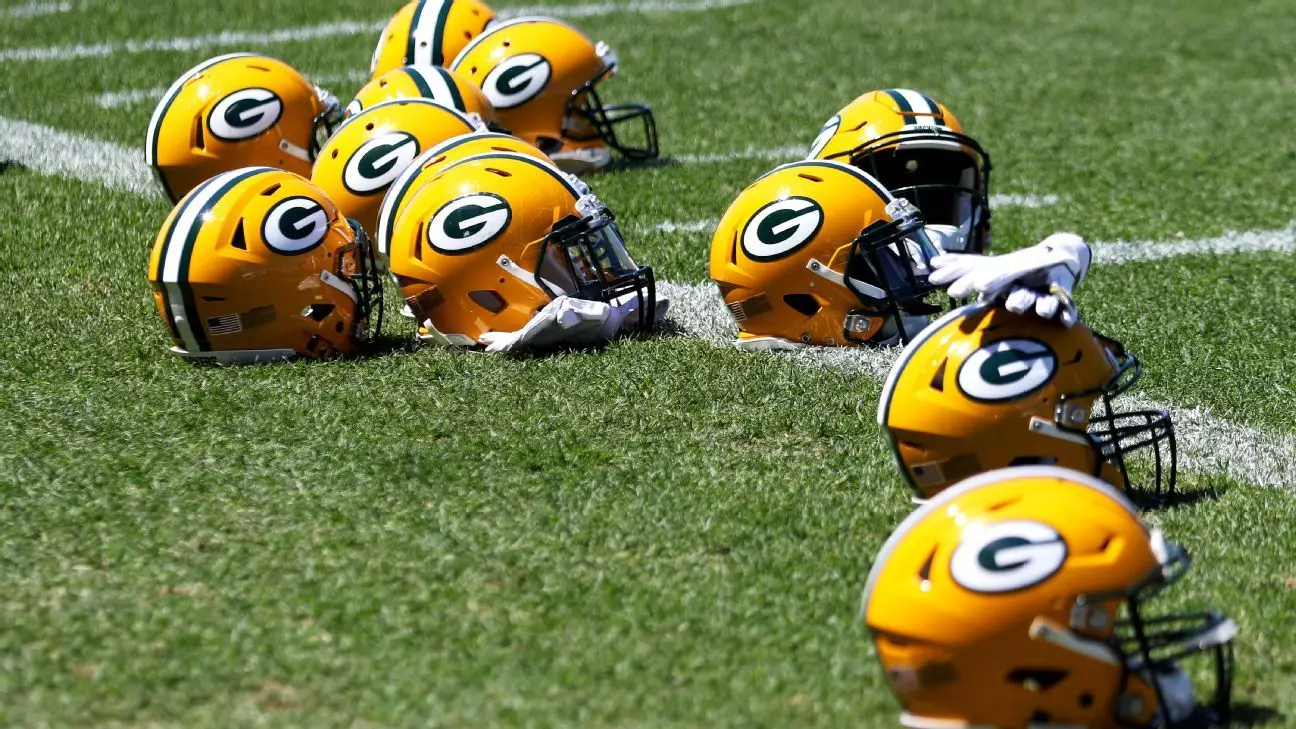
The staggering financial figures revealed by the Green Bay Packers highlight the extraordinary growth of the National Football League, but beneath this shiny facade lies a complex web of economic dependency and systemic vulnerabilities. That the league’s revenue per team soared from $138 million in Murphy’s first year to over $430 million today is undoubtedly impressive. Yet, it also masks an overreliance on broadcast deals that are increasingly under threat in a rapidly shifting media landscape. This growth, while celebrated, raises uncomfortable questions about sustainability, equity, and the true health of the sport’s financial ecosystem.
The league’s dependence on traditional television contracts—comprising roughly 60% of the Packers’ revenue—can be viewed as both a triumph and a ticking time bomb. The NFL’s alliance with major broadcasters has inflated its coffers temporarily, but it also exposes the league to risks beyond its control. Cord-cutting, streaming disruptions, and changing viewer habits threaten to erode the bedrock of its revenue model. If the NFL does not adapt proactively, this reliance could prove catastrophic in the future, akin to a house built on shifting sands.
Furthermore, the league’s apparent financial success obscures stark disparities in team ownership and revenue distribution. The Packers—notably the only publicly owned team—offer a rare glimpse into the league’s overall health, but they also underscore the inequity. Private ownership models, where individual billionaires invest heavily, dominate many franchises, creating an uneven playing field not just on the field but off it. While the Packers steward their assets conservatively, their structure exemplifies an outdated model that seems out of sync with the modern sports economy dominated by private billionaires eager to leverage team assets for personal wealth.
Growth at What Cost? The Hidden Toll on Community and Stability
The league’s relentless pursuit of revenue has largely led to stadium investments, franchise expansions, and broadcasting rights soaring into the billions. But this economic machine comes with its casualties. The Packers’ nearly $600 million corporate reserve fund is a fortress of financial safety, yet other teams are increasingly reliant on private funding, high-interest loans, or even questionable deals to keep pace. This widening chasm threatens the league’s long-term unity and community-oriented spirit.
What’s especially troubling is the perceived narrative that this upward trajectory is inevitable and unstoppable. Murphy’s praise for the NFL’s “ability to generate revenue” glosses over underlying issues such as the players’ well-being, labor rights, and equitable revenue sharing. The league’s emphasis on growth and profits often eclipses these fundamental concerns. The collision between commercial interests and the integrity of the sport remains unresolved, with profit motives dictating governance more than athletic excellence or community loyalty.
Moreover, the NFL’s financial success rests heavily on the illusion of stability. If just one major broadcasting deal were to falter—due to political pressures, legal challenges, or technological upheavals—the entire industry could face turbulence. The league seems to operate on the assumption that their current growth trajectory is perpetual, but history warns us that such confidence can be dangerously misplaced. A sudden downturn could expose the fragile foundations of this billion-dollar entertainment empire.
A Critical Reflection: Is the NFL Masking Deeper Problems?
The NFL’s apparent financial robustness is, in reality, a carefully curated image that conceals deeper structural problems. The league’s obsession with generating immense revenues has often prioritized short-term gains over the long-term health of players, communities, and the sport’s integrity. While the Packers’ conservatism and local focus present a model worth examining, the broader league’s eagerness to replicate that success through profit-driven strategies is fraught with risks.
In a liberal-leaning perspective, it’s essential to question whether the league’s growth benefits the many or the few. The concentration of wealth among owners and media conglomerates suggests that the league’s prosperity is disproportionately skewed, leaving fans and smaller markets at a disadvantage. The absence of meaningful reforms in revenue-sharing policies, player rights, and community investments reveals a league primarily driven by profit rather than a genuine commitment to the broader social good.
As the NFL continues its relentless pursuit of economic dominance, it must confront its own contradictions. Will it prioritize innovation and inclusiveness to ensure long-term sustainability? Or will it double down on existing revenue streams, risking obsolescence and societal alienation? The future of football may depend on whether stakeholders dare to critically examine and reform a system that, despite its impressive numbers, teeters on the brink of instability and ethical quandaries.