
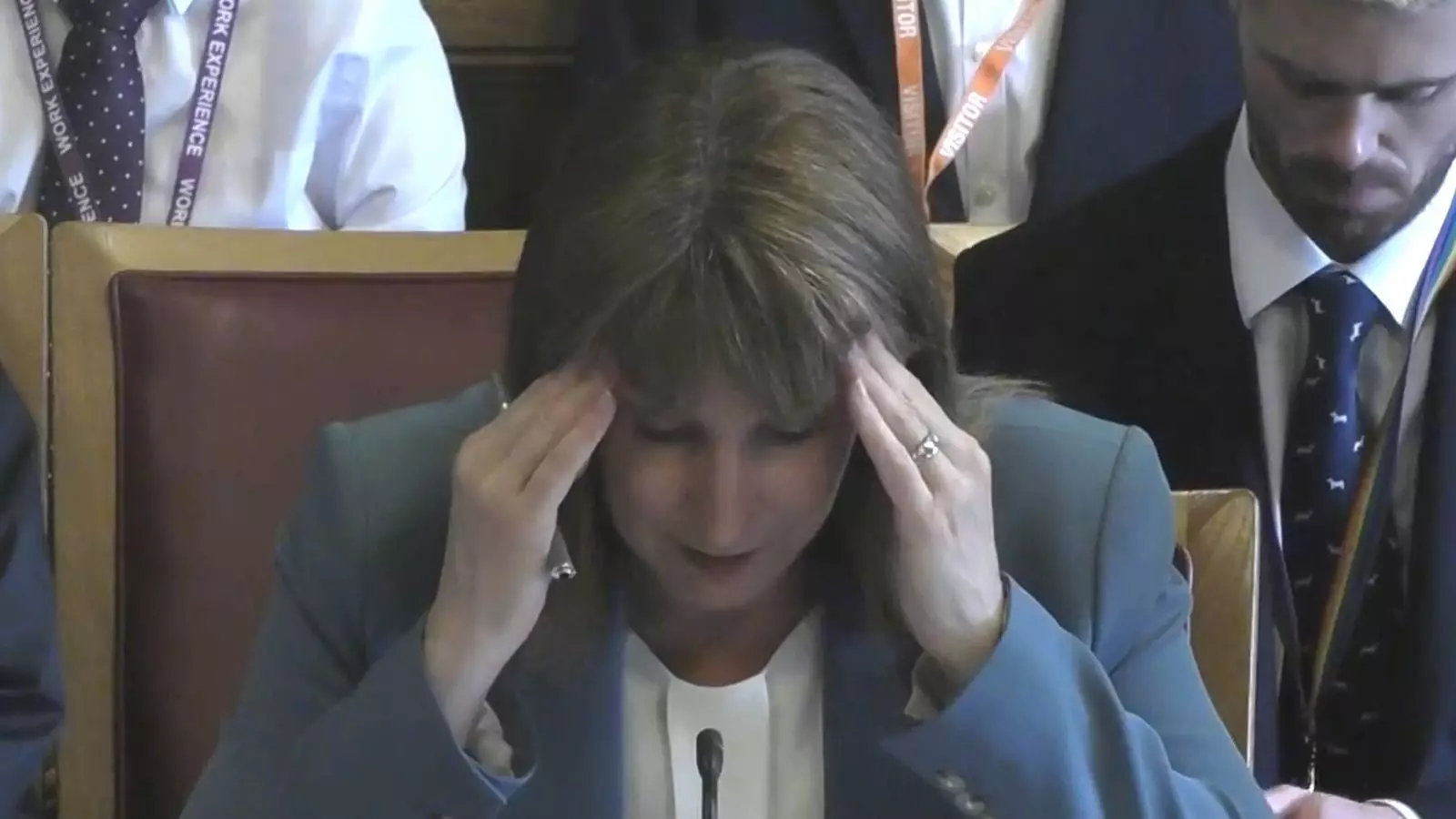
The latest warning from the National Institute of Economic and Social Research (NIESR) exposes a stark reality: the UK’s fiscal trajectory is perilously unsustainable. Rachel Reeves faces an uphill battle, tasked with the herculean challenge of identifying over £40 billion in tax hikes or spending cuts this autumn to keep her government’s finances afloat. This crisis underscores a broader truth—public finances are teetering on the edge, threatened by a confluence of sluggish growth, mounting debt, and inflationary pressures that threaten to erode economic stability. Instead of addressing these core issues directly, the current approach risks merely papering over the cracks with last-minute fiscal gimmicks that could damage the nation’s long-term prosperity.
Unmanageable Economic Compromises
The so-called “impossible trilemma” depicted by NIESR encapsulates the core dilemma for policymakers: how to satisfy conflicting demands—strict fiscal discipline, generous social spending, and voter-friendly promises—all without collapsing the financial system. This conundrum exposes the illusions of short-term fixes—be it sleight of hand with welfare cuts or incremental tax hikes—without tackling the root causes of economic stagnation and fiscal imbalance. The government’s policy trajectory appears increasingly disconnected from the reality that sustainable growth and social fairness require a balanced approach—something current strategies fail to deliver.
Dull Growth and Lingering Inflation: A Toxic Mix
Economic prospects remain bleak, with growth forecasted to hover barely above sluggish levels—around 1.2% to 1.3% over the next two years. When combined with stubborn inflation—expected to remain above 3%, driven by wage increases and expansive public spending—these conditions threaten to squeeze household finances, especially among the most vulnerable. Persistent inflation is eroding living standards, disproportionately impacting the poorest in society, and undermining social cohesion. The Bank of England’s tentative moves to cut interest rates may offer short-term relief but risk inflaming inflationary pressures further, thus trapping the economy in a cycle of stagnation and instability.
The Dangerous Illusion of Austerity and Tax Reform
NIESR’s suggestion to fine-tune council tax—potentially shifting towards more radical land value taxes—reveals a cautious but ultimately inadequate response to fiscal pressures. Although tax reforms could generate additional revenue, they risk alienating voters and complicating political consensus, especially within a government constrained by manifesto pledges and ideological commitments. Austerity measures, such as welfare retrenchments, have already proven to be a Faustian bargain—driving inequality and fueling discontent. If policymakers continue to focus solely on short-term revenue generation instead of comprehensive economic reforms, they neglect the profound structural flaws lying beneath the surface.
Welfare Spending: A Symptom or a Cause?
The call to reduce economic inactivity and trim welfare bills might sound pragmatic, but it reflects a troubling narrowness in economic thinking. Cutting welfare without addressing second-order issues—such as skills deficits, regional disparities, and labor market rigidities—risks exacerbating inequality and social fragmentation. It’s a misguided effort to curb spending without fostering the conditions for a more inclusive, dynamic economy. Sustainable fiscal health depends less on austerity and more on investing in human capital, green industries, and innovation that can generate real growth.
The Broader Ideological Void
In this mess of economic and political chaos, the government’s ideological stance appears largely reactive and short-sighted. The center-left, which should advocate for prudent investment and fairness, seems instead to be caught between conflicting interests and populist pressures. The narrative of fiscal rectitude has become a guise for maintaining political control rather than enabling genuine economic progress. Until policymakers acknowledge that fiscal discipline must be paired with strategic growth initiatives, the UK risks entrenching its economic malaise for decades to come.
In Summary
The UK’s fiscal and economic future hangs precariously in the balance. The government’s reliance on last-minute austerity, superficial tax reforms, and superficial growth strategies reveals a profound misunderstanding of what sustained prosperity requires. Without serious structural reforms, increased investments in education, innovation, and equality, the nation’s economic stability remains an illusion—one that threatens to shatter under the weight of complacency and shortsightedness. It’s time to confront these urgent challenges head-on, rather than clinging to outdated paradigms that only prolong the inevitable crisis.