
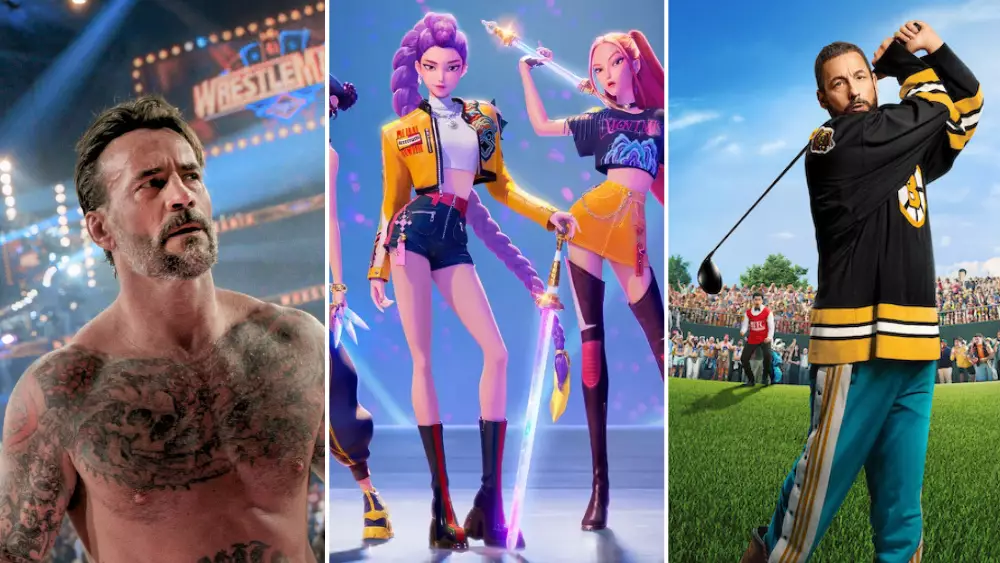
For decades, WWE has been a symbol of spectacle and bravado, often dismissed as mere entertainment for the masses rather than a cultural force. However, its recent performance on Netflix challenges this perception. While traditional sports and wrestling organizations have struggled to maintain relevance amid a flood of streaming content, WWE demonstrates a remarkable resilience, leveraging its existing fan base and media infrastructure to adapt and thrive in the digital age. It’s a clear illustration that, despite the noise from newer content creators, WWE’s brand remains a formidable canvas for storytelling, drama, and spectacle in a landscape increasingly dominated by binge-watching and social media buzz. The company’s ability to secure a prominent position on Netflix—one of the world’s premier streaming giants—is not just a victory; it’s a testament to the enduring appeal of wrestling as a cultural phenomenon that refuses to be relegated to the sidelines.
Strategic Content Deployment: Capitalizing on Streaming Trends
What sets WWE apart from many traditional entertainment brands is its strategic understanding of audience engagement in an era where time is more fragmented than ever. The debut of “WWE: Unreal” on Netflix signifies more than just behind-the-scenes access; it represents a calculated move to deepen fan loyalty and expand its reach beyond the typical wrestling circle. By offering a window into the inner workings of the company, WWE taps into the broader cultural appetite for authenticity and transparency—qualities that resonate in today’s highly scrutinized media environment. Moreover, the success of WWE’s content on Netflix underscores an important shift: wrestling does not need to be confined to pay-per-view or cable television but can thrive as part of the streaming conversation. This strategic diversification helps WWE contend with a fragmented entertainment landscape, where audiences are increasingly selective and demanding of richer, more varied content experiences.
Challenges and the Illusion of Ubiquity
Yet, despite WWE’s impressive streaming presence, one must recognize the limits of this digital resurgence. The company continues to fight against the tide of saturation, where countless series and films compete fiercely for viewer attention. The lofty numbers, like “Untamed” pulling nearly 13 million views or “Wednesday” rebounding onto the top ten, reveal that WWE is operating in an environment where visibility often hinges on fleeting trends and algorithmic favor. While this highlights WWE’s recent upswing, it also exposes the fragile nature of such success. Without consistent innovation and authenticity, these streaming moments risk becoming ephemeral. Additionally, WWE’s core demographic—largely younger viewers—might be drifting towards other platforms or genres that celebrate different forms of entertainment. The challenge remains: can WWE sustain this momentum long enough to truly redefine wrestling’s place in modern entertainment, or is this just another spike in an otherwise cyclical industry?
Implications for the Future of Cultural Entertainment
The broader significance of WWE’s streaming performance lies in what it reveals about the evolving relationship between spectacle, performance, and cultural relevance. Wrestling, often dismissed as “gimmicky,” now stands at a crossroads. Its digital renaissance champions the idea that entertainment must continually evolve to stay relevant. WWE’s embrace of Netflix—an overwhelmingly mainstream platform—serves as a declaration that wrestling can and should be viewed as a legitimate form of contemporary storytelling, not just a niche sport. This shift has the potential to influence how similar entertainment forms approach content distribution and audience engagement, emphasizing authenticity, behind-the-scenes access, and multi-platform presence. WWE’s resilience is a reminder that cultural power resides not solely in traditional media but in adaptability and strategic storytelling—tactics that can elevate even the most controversy-laden and spectacle-driven forms of entertainment into mainstream cultural dialogues.