
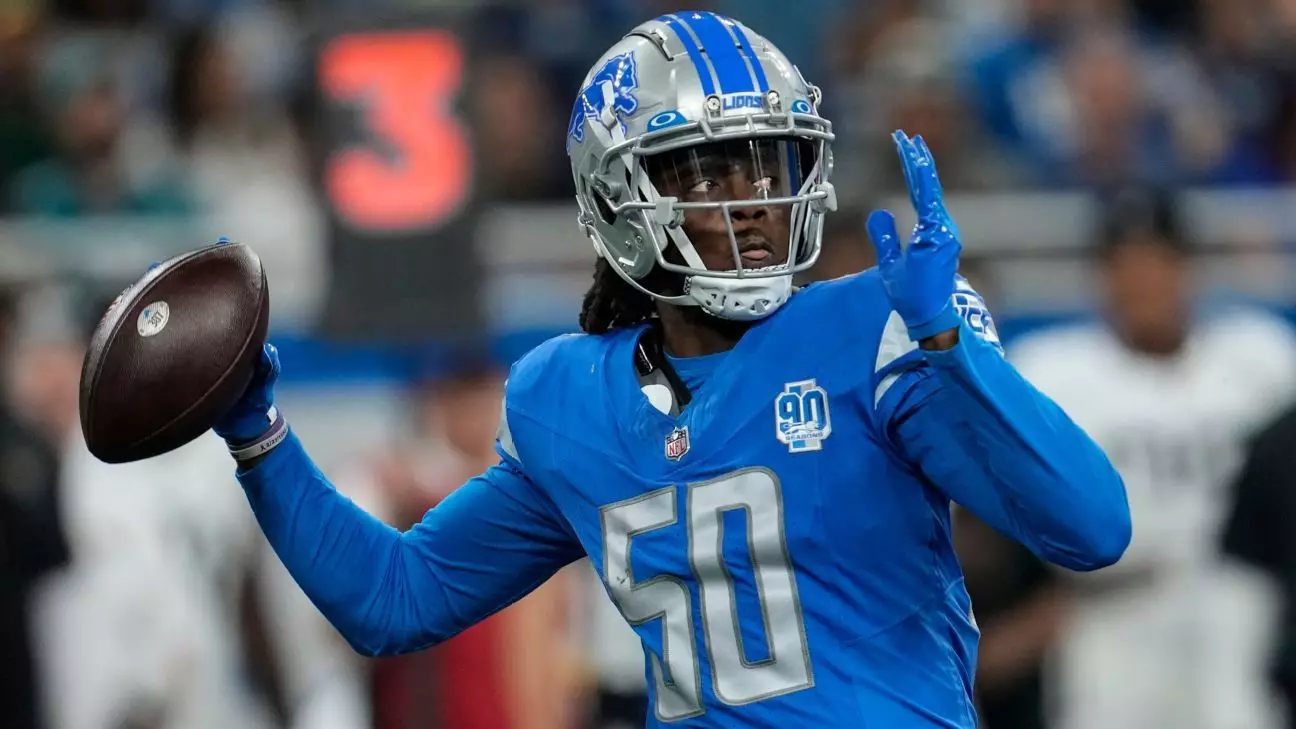
Teddy Bridgewater’s journey through the NFL epitomizes resilience, perseverance, and the pursuit of redemption in a sport that’s unforgiving to those who falter. At 32, his career has been a tapestry of promise, setbacks, and fleeting moments of brilliance—yet he remains an underwhelming figure whose actual impact on teams has often fallen short of expectations. His latest potential signing with the Tampa Bay Buccaneers raises questions about what truly constitutes value and leadership in professional football. Is this move a genuine attempt to bolster a struggling quarterback room, or is it more a reflection of the league’s tendency to settle for familiar faces rather than invest in evolving talent?
Bridgewater’s career stats and brief highlights, such as his Pro Bowl appearance, suggest a player capable of competent play but not necessarily a transformative leader or game-changer. His injury history and lack of consistent starting roles expose an athlete caught in the cycle of fleeting opportunity, rather than one commanding unwavering trust from coaching staff and fans alike. His tenure with multiple teams reveals a journeyman who, despite good character, has rarely been able to assert dominion over games or elevate his teams beyond mediocrity. His career thus far serves as a reminder that longevity alone is insufficient without a clear trajectory for growth or leadership.
Leadership in Crisis: What the Bucs Need and What Bridgewater Can’t Fully Provide
The Tampa Bay Buccaneers are undeniably in a state of flux. With uncertainties surrounding their quarterback room—Michael Pratt’s injury and Baker Mayfield’s recent return—the team is desperately seeking stability. Yet, signing a veteran like Bridgewater, who has operated mostly as a backup and seldom as a true franchise quarterback, seems more like a stopgap than a strategic move.
This decision underscores a broader franchise issue: the reluctance or inability to develop young, dynamic talent that could inject vitality into the team’s offense. Bridgewater, while experienced and decent in moments, exemplifies a conservative approach that prioritizes safe, proven mediocrity over audacious risk-taking or innovation. Such an approach may provide temporary padding, but it risks fostering a culture of complacency rather than inspiring younger players to elevate their game amid adversity.
Furthermore, Bridgewater’s off-field commitments, like his recent suspension from coaching high school football, bring into question what kind of leadership qualities are valued. If a player’s leadership is measured solely by on-field production, then the Bucs are making a mistake by overlooking his broader influence as a mentor and community figure. Conversely, if the goal is to build a resilient, forward-thinking team, this signing looks more like an act of survival than strategic growth.
Implications for the Future: A Missed Opportunity for Authentic Impact
The decision to bring in Teddy Bridgewater should have deeper implications beyond just filling a roster spot. It’s an opportunity for the franchise to signal its commitment to authentic leadership, youthful innovation, and strategic development. Instead, it risks perpetuating a cycle of stagnation, settling for veteran mediocrity rather than cultivating a new wave of talent.
For the broader NFL community, Bridgewater’s story raises critical questions about how teams define value. Is it merely about experience and familiarity, or should it be about fostering a culture where younger players are inspired to step up and lead? His career and recent off-field activities suggest a man who cares deeply about his community and his players, but those qualities must translate into measurable on-field leadership that the team can rally around.
In a league increasingly driven by data analytics, speed, and innovative offensive schemes, the signing of a backup quarterback like Bridgewater might seem trivial—yet it reflects a larger philosophical debate about what kind of team Tampa Bay aspires to be. Will they embrace a forward-looking identity, or continue to rely on the comfort of known quantities, risking becoming irrelevant in a rapidly evolving sport? The choice speaks volumes about the franchise’s vision, which, in this case, appears to favor the known over the inspiring.
—
This critical analysis shows that Teddy Bridgewater’s potential signing reveals more about the league’s tendency to opt for stability over growth and the importance of meaningful leadership in building a successful team. Merely having a veteran behind the starters isn’t enough; true leadership demands vision, innovation, and a willingness to develop new talent—areas where Bridgewater, despite his admirable character, falls short.