
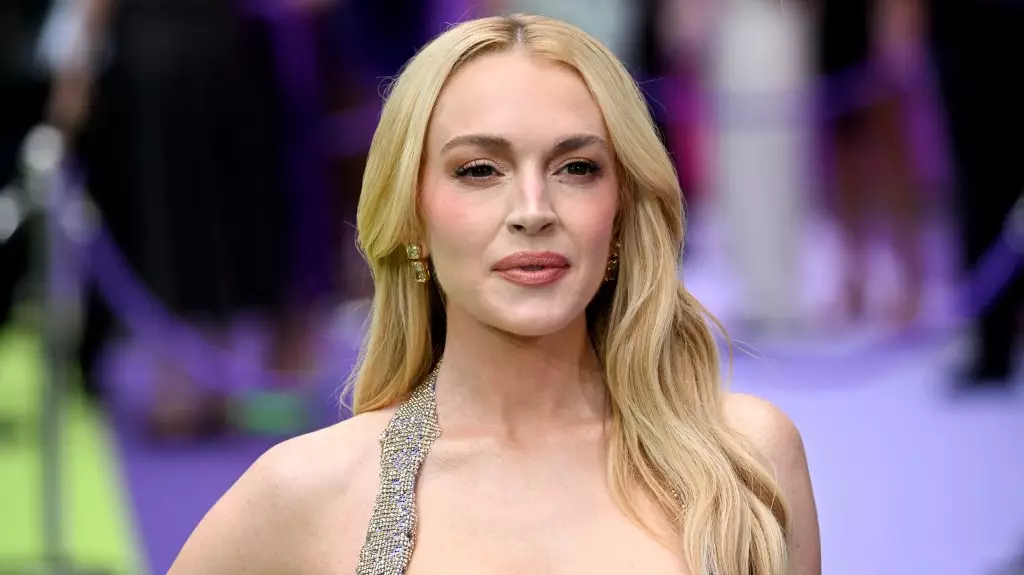
Lindsay Lohan’s journey through Hollywood exemplifies the brutal reality faced by many talented actors caught within a restrictive industry system. Her early success, fueled by iconic roles in films like *Mean Girls* and *The Parent Trap*, cemented her status as a beloved star. Yet, her career trajectory reveals a troubling pattern: the industry’s propensity to box talented performers into narrow archetypes, stifling their potential for artistic diversity. Lohan’s candid acknowledgment of being “pigeonholed” underscores a systemic flaw. Hollywood often prefers formulaite casting, emphasizing marketability over craftsmanship. This tendency not only limits actors’ opportunities but also impoverishes the cinematic landscape, depriving audiences of rich, varied storytelling.
Lohan’s frustration is palpable; her desire for “more highbrow” roles is a testament to her yearning for artistic growth beyond the commercial hits that defined her early career. Her reference to her role alongside Meryl Streep in *A Prairie Home Companion* illustrates her capacity for nuanced performances seldom realized due to Hollywood’s narrow perceptions. It’s a poignant reminder that talent is often overshadowed by the industry’s obsession with genre and brand recognition. Her plea for audiences and producers to “give her the chance” reflects a broader call for a more inclusive, daring industry—one that looks beyond age, typecasting, and market trends.
Reclaiming Agency in a Tumultuous Industry
Lohan’s career hiatus in the 2000s reveals her struggle to retain agency amid the relentless pressures of fame. The actress’s decision to step back, focus on her personal life, and recalibrate her ambitions speaks to a desire for authenticity—an antidote to the superficiality that Hollywood often imposes. Her comments about fighting for “stories” like *All About Eve* or *Breakfast at Tiffany’s* reveal her longing to inhabit complex, meaningful roles that challenge her as an actress and resonate with a more discerning audience.
The industry’s tendency to typecast, especially in the streaming era, aggravates her frustrations. Leading Netflix rom-coms, while lucrative, has created a narrow lane that she now seeks to escape. Her emphasis on wanting “a gap” in her filmography signals a critical awareness: she refuses to be solely the performer of light-hearted, formulaic fare. Instead, she champions a future where she can engage with sophisticated narratives, historical or contemporary, that elevate her craft and, perhaps more critically, offer variety to viewers starved for originality.
The Industry’s Failure to Protect Its Own
Beyond her career, Lohan’s reflections on her tumultuous relationship with fame expose a darker side of Hollywood’s culture—the invasive, relentless paparazzi presence, and the toll it takes on mental health. Her PTSD, stemming from invasive surveillance and tabloid scrutiny, highlights a systemic failure to protect vulnerable stars from the industry’s excesses. Her plea that her family “never experience that again” underscores a moral imperative: Hollywood must acknowledge and address its complicity in the mental health struggles of those it elevates.
While her call for reform is heartfelt, it also shines a light on the industry’s need for systemic change. Fame should not be synonymous with harassment and trauma, yet Hollywood’s obsession with sensationalism often blurs this boundary. Lohan’s story should serve as a cautionary tale, stimulating industry introspection about the costs of fame and the necessity of cultivating a safer, more humane environment for its stars.
The Hope for Artistic Reinvention
Lohan’s upcoming projects signal her desire to reinvent herself within Hollywood’s evolving landscape. Her role as both an actress and executive producer on *Count My Lies* demonstrates her repositioning as a creative force with agency—not merely a product of her past fame, but a driver of her future. Her yearning for stories reminiscent of classic Hollywood films reveals an aesthetic and moral longing for depth and integrity in the work she chooses.
Yet, her voice remains one of slight frustration—an advocate fighting against the industry’s entrenched biases. Her openness about the challenges she faces in breaking the mold is not just a personal lament but a commentary on Hollywood’s broader artistic stagnation. For Lohan, success isn’t merely about starring in a hit; it’s about reclaiming her identity as a serious actress capable of embodying complex, meaningful roles. The industry has a choice: to continue confining her within her early caricatures or to embrace her potential for nuanced storytelling.
In essence, Lindsay Lohan embodies the industry’s ongoing struggle with artistic freedom, industry reinvention, and cultural responsibility. Her journey reflects both the personal desire for growth and the systemic barriers that prevent many actors from reaching their full potential—a challenge Hollywood must confront if it wishes to evolve genuinely and ethically.