
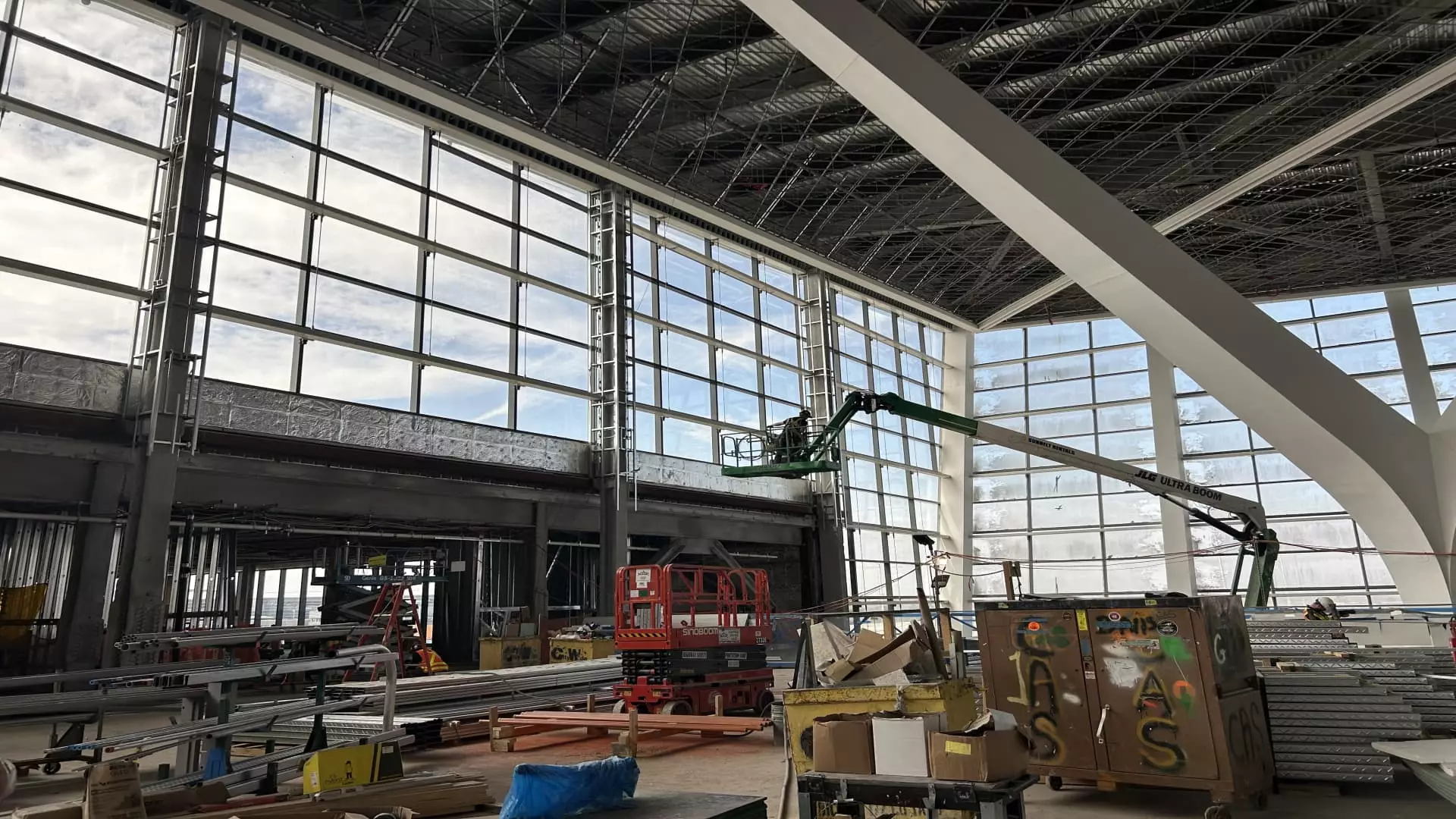
At first glance, the newly proposed Terminal 1 at JFK exudes modern sophistication — soaring glass walls, butterfly-inspired design, and promises of abundant light streaming through expansive windows. However, beneath this aesthetic facade lies a question of whether these superficial upgrades will translate into meaningful improvements for travelers or merely serve as a distraction from systemic issues plaguing American airports. The focus on striking visual architecture often overshadows the fundamental requirement: efficient, traveler-centric functionality. Is JFK’s grandiose reinvention truly a step forward, or just another case of style over substance?
The terminal’s sleek design emphasizes aesthetics, promising a luminous experience that reduces the dreaded basement customs lines. While a visually impressive setup can enhance passenger perception, it risks becoming an empty spectacle if operational efficiencies aren’t prioritized. For example, the decision to house customs and security on the same level is positive, but without substantial investments in staffing, technology, and process optimization, the airport risks repeating past failures where long waits persisted despite architectural promises. The glossy images of “flooded with light” interiors might conceal lingering issues like staff shortages or outdated baggage handling systems that could hobble the terminal’s capacity to serve millions smoothly.
The Illusion of Passenger-Centric Innovation
The $9.5 billion investment appears substantial, yet it is essential to scrutinize whether the scope truly addresses the core needs of international travelers or simply fashions a more Instagram-friendly environment. The focus on retail, dining, and duty-free shopping aims to elevate the passenger experience, but are these features enough to compensate for broader systemic shortcomings? Many travelers report that airport experience is less about amenities and more about reliability, predictability, and ease of movement. Glamorous designs and duty-free stores can’t mask the frustration of delayed flights, missed connections, or inefficient baggage processes.
Additionally, the plans revolve around accommodating roughly 14 million passengers annually with 23 gates, a capacity that, while impressive, still leaves room for congestion if not paired with effective operational management. As the global air travel industry rebounds post-pandemic, airports must look beyond aesthetics. Investment must be channeled equally into upgrading logistical frameworks, expanding staffing, and implementing cutting-edge technology to genuinely improve both efficiency and comfort for travelers. Without these foundational changes, the new terminal risks becoming a shiny but ultimately underperforming monument to marketing rather than a truly functional hub.
Economic Overreach or Necessary Modernization?
The broader context of JFK’s overhaul, including the $19 billion port authority investment and comparisons with LaGuardia’s $8 billion facelift, raises valid concerns about urban infrastructure overspending. Amid a backdrop of rising inflation and economic uncertainty, the question arises: is it prudent to pour billions into a project that may still struggle with underlying operational issues? Critics argue that these mega-projects often prioritize impressiveness over innovation, leading to “bling over bang for the buck.” The glossy reports highlight aesthetic achievements or capacity increases but do little to address the persistent legacy of aging infrastructure, chronic traffic congestion, or the logistical chaos that characterizes many major airports.
At the same time, neglecting such modernization efforts could jeopardize regional economic growth. The decision to open the first phase around the 2026 World Cup signals a desire to showcase the airport as a global gateway, but it also highlights the risk of rushing completion to coincide with events rather than ensuring thorough testing and operational readiness. Major events often expose underlying vulnerabilities that are masked during normal operations, and the temptation to prematurely inaugurate the terminal should be approached with caution. Effective modernization demands patience, transparency, and a strategic focus on sustainable improvements rather than temporary glamour.
Reimagining What “Innovation” Means in Airport Design
True innovation in airports should go beyond architectural showpieces; it should center on improving access, reducing wait times, and boosting customer confidence. While the winged design and bright interiors may create a visual identity, genuine progress hinges on smarter logistics—integrating modern baggage systems, AI-powered security, and seamless passenger flow management. Visionary though the butterfly motif may be, if the operational core isn’t up to modern standards, the entire experience falters.
Moreover, investments in infrastructure should prioritize resilience and adaptability—especially in the face of climate change and unpredictable disruptions. Roadway improvements and the AirTrain are steps in the right direction, but long-term sustainability will depend on how well these systems integrate with broader transit networks and how resilient they prove during crises. The risk of superficial upgrades lies in creating a beautiful yet brittle infrastructure susceptible to future upheavals, which would ultimately diminish JFK’s standing as a world-class hub.
The Bottom Line: Glamour Without Substance Won’t Fly
JFK’s new Terminal 1 is undoubtedly a visual triumph, but history warns us that glowing architecture alone cannot rectify systemic shortcomings. It’s tempting to assume that more money, more gates, or higher ceilings are inherently better, but without a steadfast commitment to operational excellence and customer-centric policies, these investments risk becoming hollow tokens of progress. The airport’s focus should shift from creating a walkway for photo ops to establishing a seamless, reliable, and efficient transportation nexus that genuinely serves passenger needs.
Ultimately, the question remains whether JFK’s dazzling new terminal will stride confidently into the future as a beacon of innovation or whether it will simply be another grand façade masking persistent flaws. For travelers and stakeholders, the real test will be whether the promised efficiencies, improved experiences, and sustainable infrastructure materialize, or whether the glitz and glamour fade into the background as just another costly, superficial upgrade.