
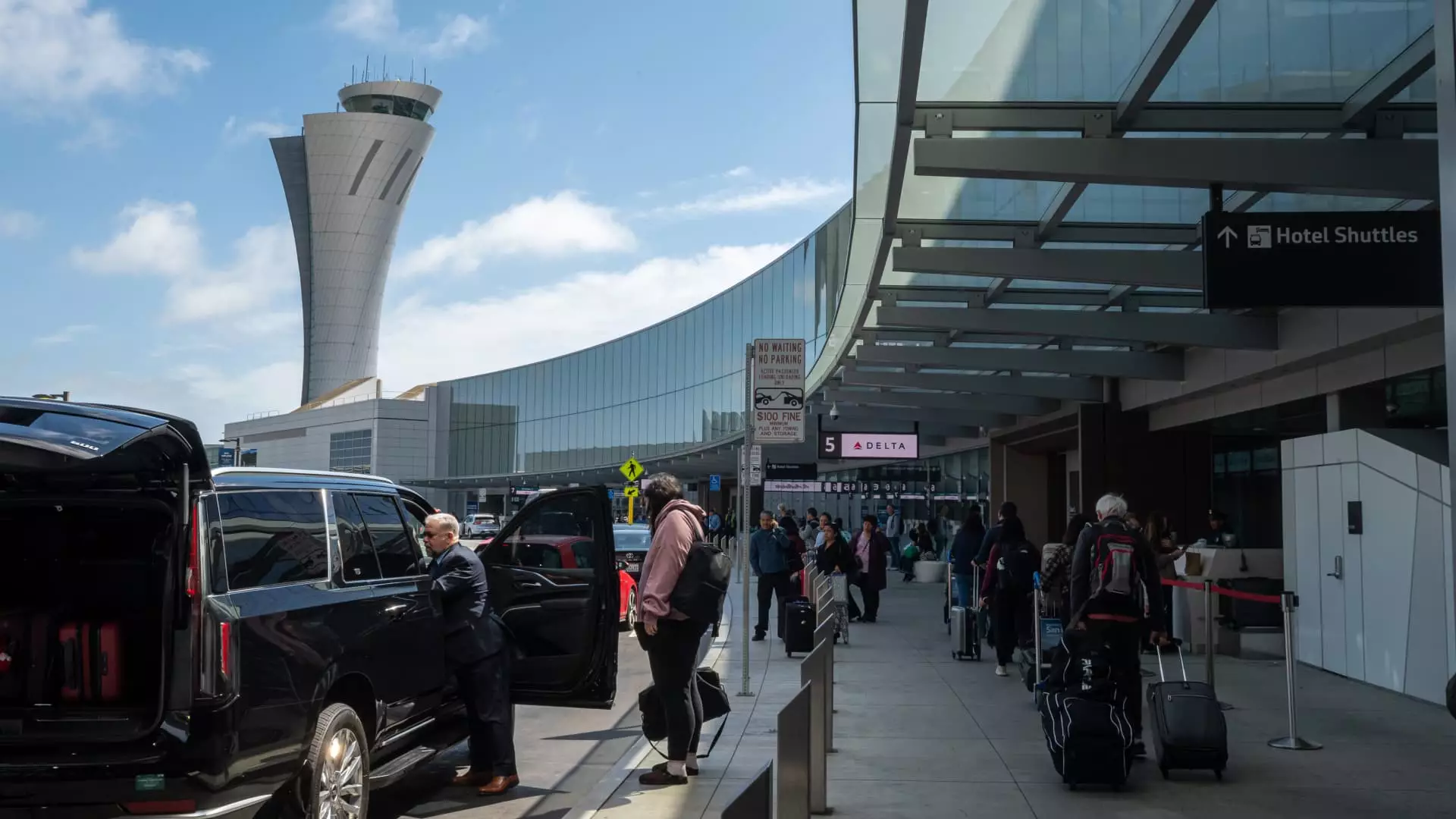
In the realm of immigration enforcement, recent cases like that of Tae Heung “Will” Kim expose a troubling erosion of fundamental rights under the guise of national security. Kim’s detention at San Francisco International Airport underscores a harsh reality: the U.S. immigration system, especially under recent policies, has become more punitive and less humane. The legal principle of due process, a cornerstone of American justice, appears to be increasingly compromised when individuals are detained in airport limbo for days without proper access to legal counsel or judicial review. The airport is designed for transit, not detention, yet it has become an ad hoc holding cell for individuals caught in a bureaucratic whirlpool that disregards their dignity and rights.
The notion that immigration enforcement should prioritize national security does not justify turning airports into detention zones where individuals are essentially held hostage without clear explanation or recourse. Kim’s case reveals how administrative overreach can distort the delicate balance between security and justice. By detaining someone who has lived most of their life in the U.S., is pursuing academic research, and is seemingly no threat to society, authorities exemplify a growing trend where minor infractions can snowball into severe consequences — often without transparency or fairness. This relentless push towards stricter enforcement risks turning the immigration system into a punitive apparatus rather than a compassionate, rule-of-law framework.
The Politics of Enforcement: A Shift Toward Militarization and Its Consequences
Since the inauguration of President Trump, a hardened stance on immigration has prevailed, fueled by rhetoric emphasizing enforcement over discretion. The narrative that softening policies invited dangers has led to sweeping measures that threaten the core values of fairness and justice. Kim’s experience—being detained solely due to a minor past marijuana offense—illustrates how enforcement policies disproportionately target individuals with blemishes on their records, regardless of their integration into American society or potential contributions.
This politicized approach does not merely risk trivializing legal protections; it fundamentally shifts the purpose of immigration enforcement from security to exclusion. The claim by Customs and Border Protection that any green card holder with past drug offenses can be detained disregards the essence of rehabilitation and the multi-faceted nature of justice. Such policies ignore the human element—in this case, a man who helped to raise a family, contribute to scientific research, and integrate into American society. The emphasis on harsh detention policies feeds a climate of fear and suspicion, eroding the social fabric that binds diverse immigrant communities.
The Human Cost and Ethical Failings of Arbitrary Detention
What about the personal toll? Kim’s family, especially his mother, faces immense pain and worry over his health—she highlighted his asthma and her concerns over his medical care in detention. Meanwhile, Kim himself was confined in *unsuitable conditions*, sleeping in chairs, often moved between small, windowless rooms, and denied consistent access to communication or legal advice. These treatment practices violate core moral standards and ignore the very principles of human dignity that the U.S. professes to uphold.
Furthermore, detaining someone in such circumstances—detained not as part of a judicial proceeding but as an administrative whim—raises serious questions about accountability and abuse of power. The fact that Kim was confined in an airport, which is not designed for detention, emphasizes how far the system will go to circumvent standard legal procedures. The lack of transparency, limited contact with loved ones, and absence of meaningful legal oversight highlight a system increasingly divorced from justice.
The Need for Center-Left Reform: Balancing Security with Humanity
Within the political center, there is a compelling argument for reform that neither advocates abandonment of security nor condones human rights violations. A balanced approach requires a commitment to fair processing, proportionality, and compassion. It is unacceptable that a man who has spent most of his life as a legal resident, contributing to society and pursuing scientific research, is discarded into a bureaucratic maze because of a minor misdemeanor from a decade ago.
Reforming immigration enforcement means redefining priorities—shifting from fear-driven policies to ones rooted in fairness, rehabilitation, and societal contribution. It also involves giving authorities clear guidelines that prevent arbitrary detention and ensuring individuals are afforded access to legal representation and judicial review before being deprived of their liberty. Detaining people in airport limbo does not serve national interests; it undermines America’s moral authority and moral standing as a nation of second chances and due process.
The Kim case exposes systemic flaws that cannot be ignored. If the United States aims to be a beacon of justice, it must critically examine and overhaul its immigration policies, prioritizing humane treatment over punitive excesses. Only through such reforms can the nation reconcile security needs with the principles of justice it claims to uphold.