
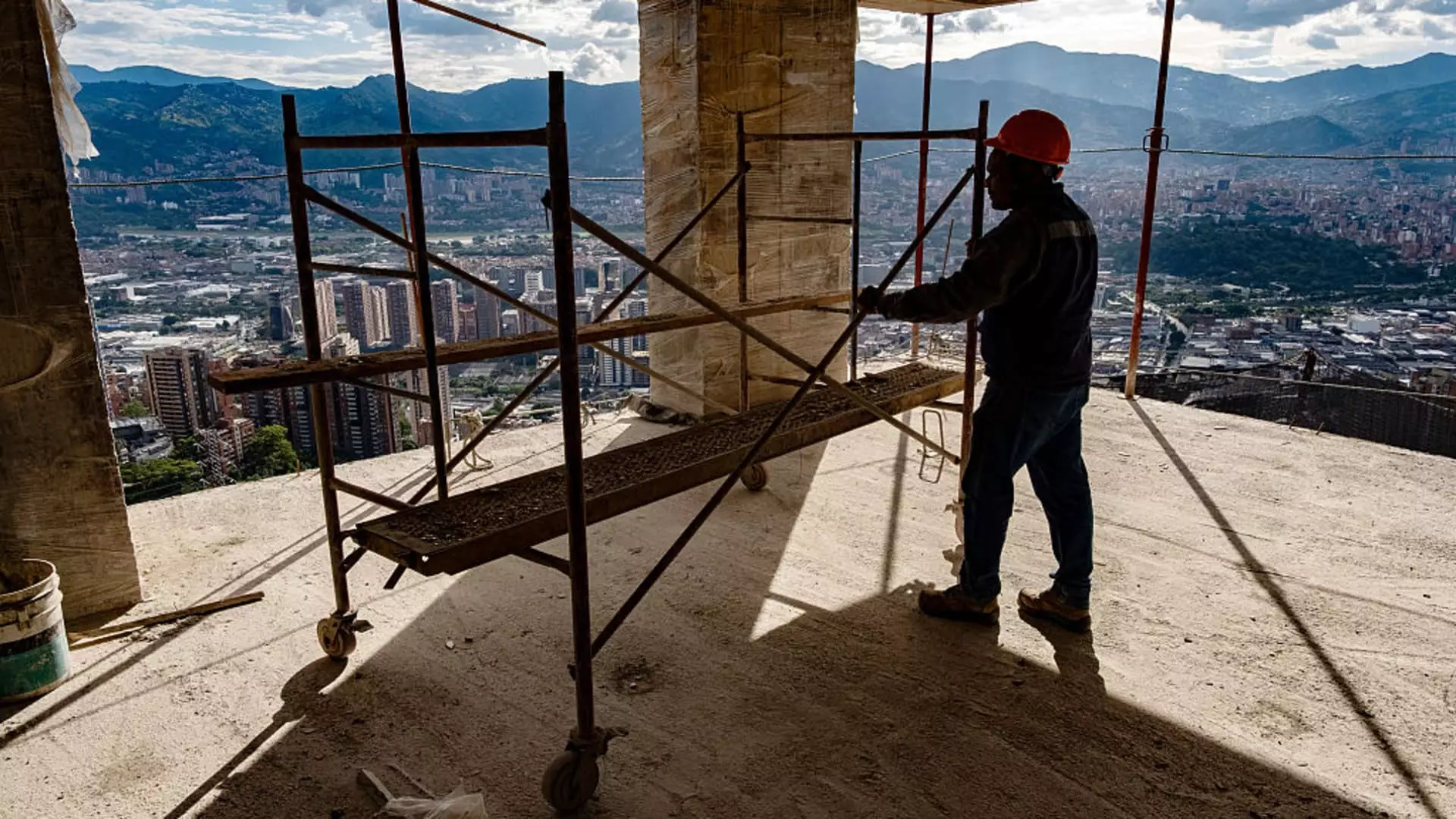
The construction sector remains arguably the most neglected in the march toward digital transformation. Despite its vital role in shaping cities and economies, this industry is bogged down by outdated processes and entrenched inefficiencies. The pervasive resistance to change not only hampers productivity—costing nearly $1 trillion annually, per McKinsey—but also exacerbates environmental waste and social costs. The sluggish adoption of technological innovations, especially in commercial construction, underscores a fundamental failure to recognize that modernization is not merely a luxury but a societal imperative.
It’s perplexing that a sector responsible for delivering critical infrastructure and sustainable spaces still relies heavily on paper-based documentation, manual supervision, and disjointed workflows. This systemic inertia translates into costly delays, safety hazards, and resource wastage that could be mitigated through smarter, more integrated solutions. Rather than viewing digitization as optional or incremental, industry leaders should recognize it as the backbone of resilience and environmental stewardship.
Leadership and Pioneers: The Power of Visionaries Like Sarah Buchner
Amid this landscape of stagnation emerges figures like Sarah Buchner who challenge the status quo. Her journey from construction site supervisor to disruptive tech innovator highlights how personal tragedy and professional insight can catalyze revolutionary change. Her experience underscores a crucial reality: the high stakes of construction safety and efficiency demand technological solutions that adapt to the industry’s complex, ever-changing nature.
Buchner’s transition from on-site leadership to the creation of Trunk Tools illustrates the potential of targeted technological innovation. Her company’s AI-powered platform addresses longstanding pain points—such as paper overload, conflicting instructions, and inefficient workflows—by restructuring unstructured data into actionable insights. Her work exemplifies how industry insiders recognize that real change requires both domain expertise and technological expertise intertwined.
The integration of AI into construction workflows signifies more than a mere technological upgrade; it marks an ethical commitment to safer, more sustainable construction practices. When machinery, blueprints, and schedules are processed in real-time and errors are minimized, the ripple effects include fewer accidents, decreased carbon emissions, and optimized resource use.
Potential for Disruption: Why Innovation Is Still Lagging and What It Means
Despite the promise shown by innovators like Buchner, capital infusion and strategic partnerships remain insufficient to overhaul a sector so resistant to change. The recent $40 million Series B funding round for Trunk Tools indicates investor confidence but also highlights the vast untapped potential. If technological advances are to reach critical mass, construction firms need to fundamentally reconsider their approach to innovation, elevating it from a peripheral activity to a core strategic focus.
This sluggish pace of adoption reflects a broader cultural issue: cautious conservatism reinforced by tradition, risk aversion, and reliance on legacy systems. Yet, this conservatism is increasingly incompatible with global demands for faster, more sustainable urbanization. Stakeholders—whether policymakers, investors, or developers—must advocate for a perspective that aligns economic growth with social responsibility and environmental consciousness.
Real disruption will happen only when firms recognize that digital transformation can democratize access to higher standards of safety and efficiency, creating a more equitable and resilient construction industry. The integration of AI, machine learning, and automation should be viewed not as threatening but as empowering—tools that can level the playing field and facilitate smarter decision-making. A cautious, incremental approach will sow the seeds of resistance; bold, comprehensive change is what the industry desperately needs.
The construction industry stands at a pivotal crossroads. Choose inertia, and continue to waste billions in inefficiencies, harm the environment, and compromise worker safety. Or embrace innovation—recognizing it as a moral responsibility to future-proof communities and an economic necessity for sustainability. Pioneers like Buchner demonstrate that change is not only possible but essential. The question remains: will the industry harness the opportunities before it, or will it remain hostage to outdated practices and complacency? The path forward demands courageous leadership and a new mindset—one that values progress as fundamentally aligned with societal wellbeing and economic vitality.