
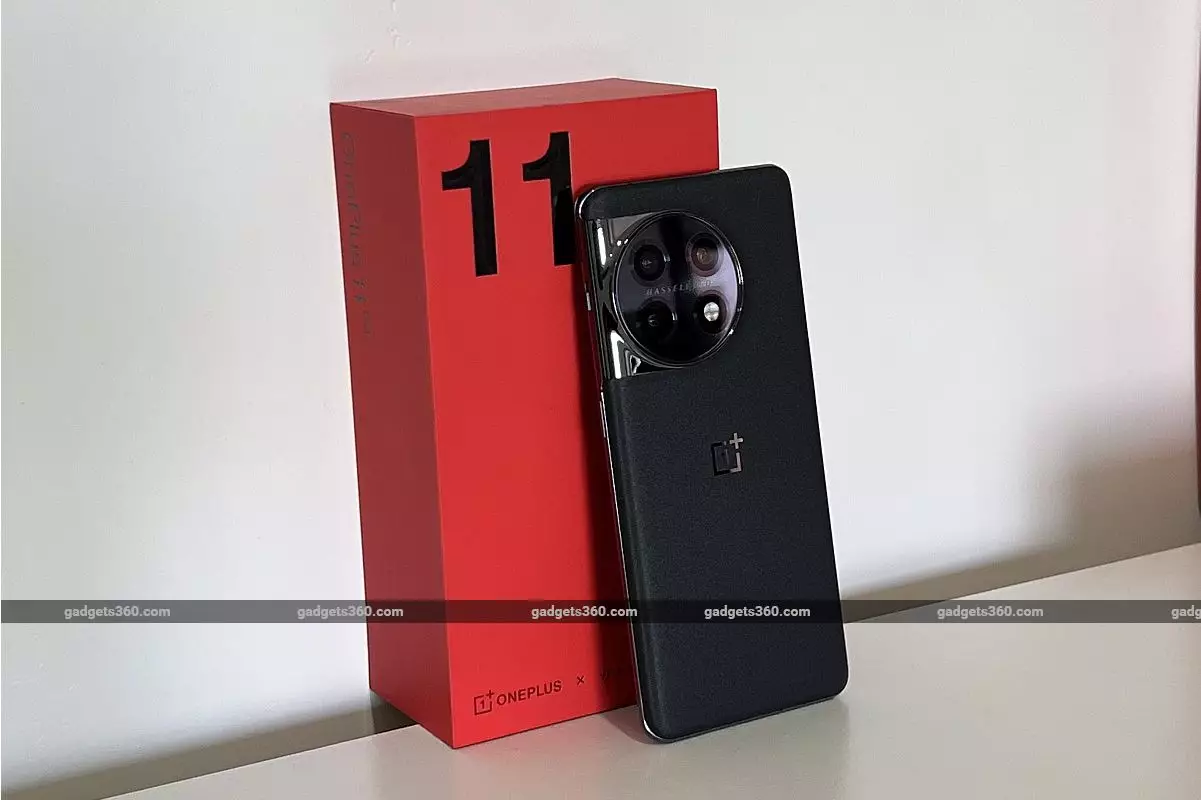
The recent rollout of OxygenOS 15 for the OnePlus 11 5G in India appears, at first glance, to be a commendable stride forward, promising a host of system enhancements, camera innovations, and user-centric features. Yet, beneath the glossy surface of these updates lies a complex reality: are these improvements genuinely meaningful, or are they superficial gestures designed more to mask underlying shortcomings? While the update introduces some genuinely useful features—such as multitasking capabilities, advanced photo editing, and better security—it’s crucial to critically assess whether these additions truly enhance the user experience or merely serve as marketing façades.
One of the most touted features, the ability to run one app in full screen while a second floats—a feature that facilitates multitasking—may seem impressive. However, given the device’s high-end hardware, such as the Snapdragon 8 Gen 2 chipset and a stunning 6.7-inch display, one might argue that these features should have been standard from the outset. The fact that such functionalities are now considered upgrades highlights a troubling trend where manufacturers release devices with incomplete features, then later patch them in to create the illusion of innovation. This pattern fosters skepticism about whether brands like OnePlus are genuinely committed to enhancing user productivity or simply responding to market pressures with sporadic updates.
Moreover, the new camera features, including dreamy filters and AI-powered shot recognition, might sound exciting to amateur photographers but could also lead to a divide between hype and practicality. Are these tools truly transformative, or are they merely trendy gimmicks that distract from the core quality of photographs? As smartphone cameras become increasingly commoditized, the emphasis should be on consistency, low-light performance, and color accuracy rather than superficial effects. If these new features do little to improve authentic photography experiences, then they risk contributing to consumer dissatisfaction once the novelty wears off.
Beyond individual features, the update reportedly enhances security with the latest Android patches—an essential, though fundamentally reactive, aspect of modern device management. While this is a necessary step to protect users from vulnerabilities, it also exposes a paradox: for a flagship device with a premium price tag, security patches should be a baseline expectation, not a selling point. The question is whether OnePlus truly prioritizes long-term support or merely patches security issues as a reaction rather than a proactive commitment to systemic safety.
Another noteworthy aspect is the aesthetic customization options, such as new fonts and widget stacking. These features exhibit a subtle attempt at user empowerment, allowing folks to tailor their experience. Still, they also raise questions about fragmentation: are these features thoughtfully designed to improve usability or superficial add-ons that clutter the interface? Given the intricate balance between simplicity and personalization, the risk remains that such tweaks do little to solve core user frustrations, instead offering a cosmetic fix.
Finally, the update demonstrates a focus on convenience—like quick access to restart functions, minimized notifications, and smarter app management. While these are undoubtedly beneficial, they also reflect a broader industry trend: manufacturers increasingly rely on iterative, minor updates to sustain consumer interest rather than innovating fundamentally. This has the unintended consequence of fostering consumer fatigue, with users feeling as though their devices are never truly finished products but perpetual work-in-progress patches.
Ultimately, the OxygenOS 15 update for the OnePlus 11 5G embodies the ongoing balancing act between marketing hype and meaningful progress. It delivers a host of features that may appear attractive on paper but warrant a more critical eye to determine their real-world value. As consumers, we should question whether such patches address genuine needs or merely serve as band-aids for deeper product deficiencies. While it’s tempting to applaud every enhancement, a skeptical stance urges us to look beyond the surface and demand more transparency, consistency, and purpose behind every feature rollout.