
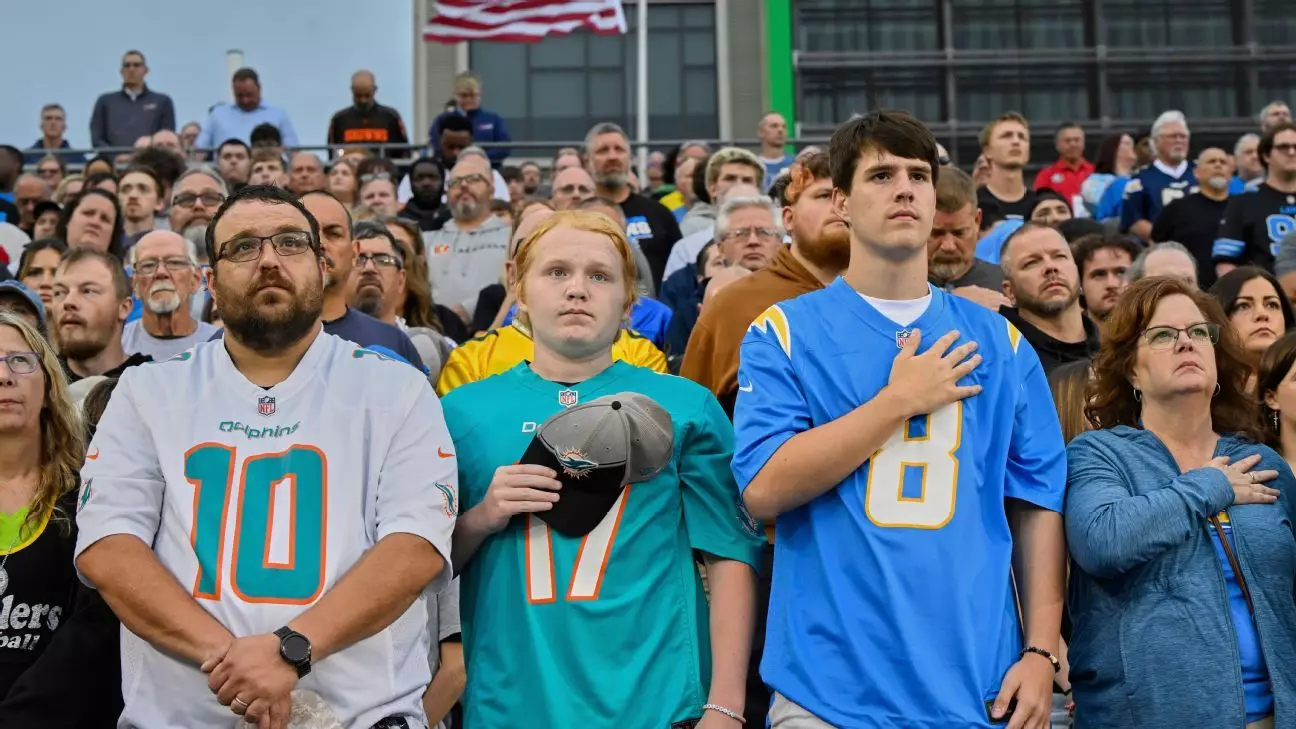
In recent weeks, troubling incidents have cast a dark cloud over communities that once thrived on unity and shared pride. The tragic shooting at NFL headquarters is not an isolated event but a stark reminder of how mental health struggles and societal failures converge to threaten the fabric of our collective safety. While the nation eagerly shifts focus toward sports as a symbol of resilience and unity, beneath this veneer lies an uncomfortable truth: our inability to effectively address mental illness and violence hampers societal progress and endangers innocent lives. The spectacle of increased security and somber moments at the Hall of Fame exemplifies a society trying to adapt to threats it often fails to comprehend or prevent.
The Illusion of Security Amid Growing Threats
Public displays of heightened security are intended to reassure but often do little to address the root causes of these acts of violence. The NFL’s response—ranging from physical security to mental health initiatives—reveals an ongoing struggle to balance the spectacle of sport with the reality of ever-present danger. This balancing act is fraught with complexities; it exposes our collective paranoia and highlights how societal fears—particularly around workplace violence—are becoming ingrained in national consciousness. The increased presence of law enforcement symbolizes both a necessary safeguard and a sobering acknowledgment that modern life is increasingly unpredictable, even in spaces once deemed safe. This paradox underscores a society still grappling with the dichotomy of hope and despair — where moments of celebration are undercut by the specter of violence that could strike at any time.
The Rift Between Mental Health and Public Safety
At the core of numerous recent tragedies lies a failure to adequately treat mental health issues—an issue that is as much a societal failing as it is a necessity for reform. Shane Tamura, whose actions precipitated the tragic events, reportedly harboring grievances linked to a medical condition, exemplifies how untreated mental illness can escalate into violence. This is not merely about individual pathology but points to systemic neglect rooted in stigmatization and insufficient mental health services. Society often avoids confronting this uncomfortable truth—mental illness is a reality that demands compassion, proactive intervention, and a fundamental shift in how we approach psychological well-being. The tragic pattern of mental health being a misunderstood or neglected facet of societal health ultimately contributes to the cycle of violence that we see escalating across communities.
The False Promise of Progress in a Divided Society
While institutions like the NFL attempt to project strength and resilience, their efforts are often superficial in the face of deeper societal fractures. The league’s gestures—virtual town halls, remote work policies, and security upgrades—feel more like bandages on a wound than solutions. Genuine progress requires us to look inward, to address the systemic issues that foster inequality, marginalization, and mental health neglect. It’s easy to celebrate the induction of legendary players into the Hall of Fame or the thrilling kickoff of a new season, but these momentary victories distract us from the ongoing social maladies that threaten our unity. Our society’s vibrancy hinges on openness and reform, not just superficial displays of strength. The hope for a more equitable future relies on confronting uncomfortable truths about mental health, societal inequality, and the persistent cycle of violence that erodes our sense of security.
Challenging the Status Quo for a Better Future
True change demands more than reactive measures; it necessitates a revolutionary approach to mental health care, community engagement, and societal values. We must question why institutions like the NFL—symbols of American culture—are left vulnerable to attack when their core issues are deeply embedded in national neglect of mental health and social cohesion. Addressing these challenges calls for a comprehensive reevaluation of how society cares for its most vulnerable and how we foster an environment where mental health is prioritized without stigma or shame. Only then can society evolve beyond the cycle of shock and sorrow, transforming moments of tragedy into catalysts for meaningful reform and resilience.
In reflecting on these incidents, it becomes evident that society as a whole remains fragile—easily shaken by forces rooted in systemic failures. While public figures and leagues scramble to restore normalcy, the pressing need is for a candid national conversation about mental health, violence prevention, and social responsibility. Without confronting these issues directly, we risk remaining hostage to a cycle of violence that will continue to threaten the very fabric of our communities. It’s time for meaningful, long-lasting change—change that moves beyond superficial gestures and addresses the root causes of violence. Only then can we hope to build a society resilient enough to withstand the inevitable storms ahead.