
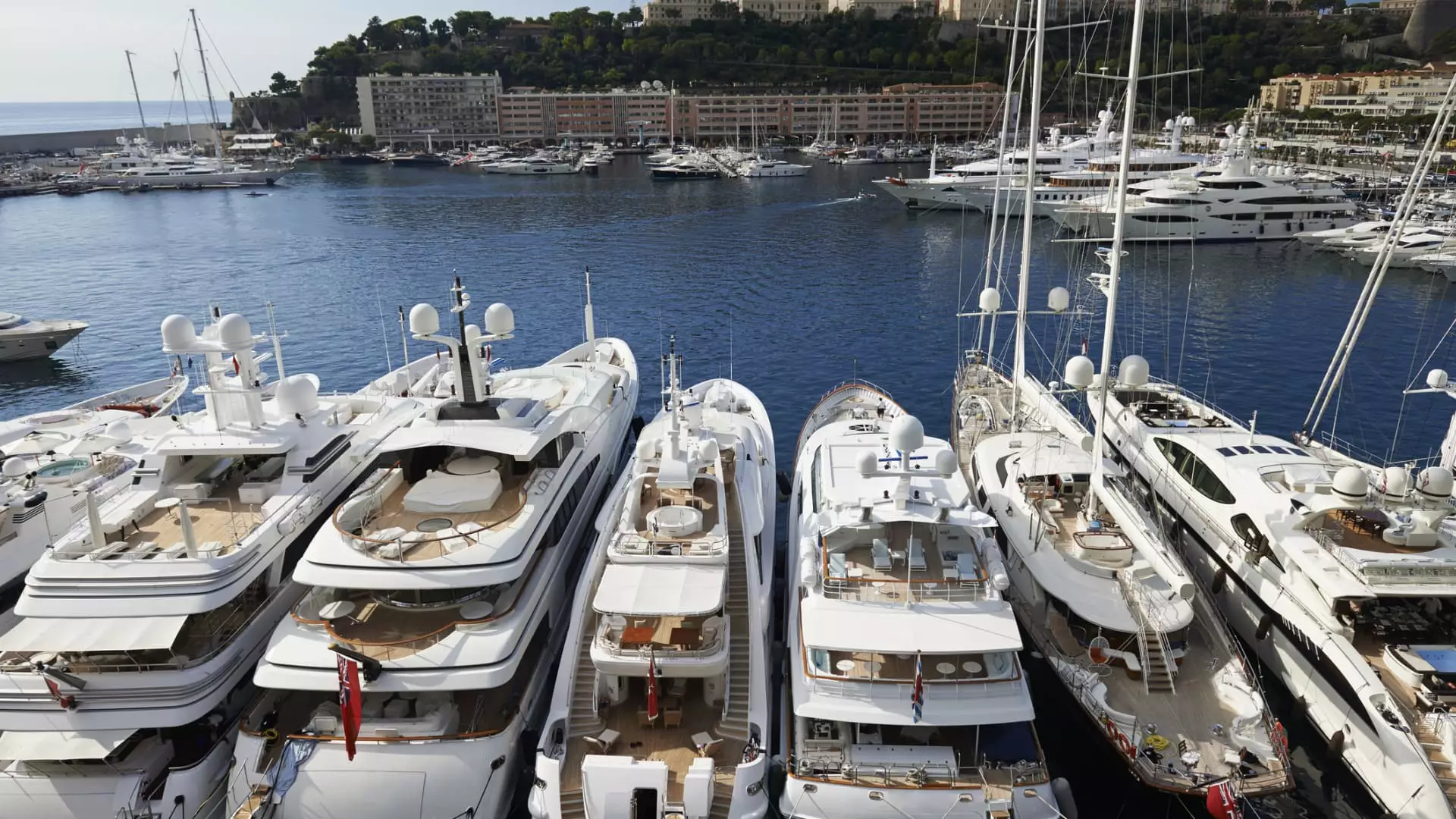
The recent implementation of a 15% tariff on European-made recreational boats and yachts by the United States reveals more than just a simple trade dispute—it exposes a fragile imbalance in the global luxury market and underscores the recklessness of America’s protectionist policies. While the immediate economic statistics might suggest minimal harm to billionaires willing to absorb increased costs, the broader implications threaten to destabilize an entire industry deeply embedded in transcontinental commerce. The tariffs act as a detrimental barrier that transforms a thriving international market into a battleground of strategic evasions, causing ripple effects that could threaten the very fabric of elite leisure procurement.
This move isn’t just about trade policy; it’s a gamble with significant consequences for innovation, employment, and the diversification of the luxury maritime sector. European shipbuilders, long dependent on the lucrative American clientele, now face a stark reality: their once unassailable dominance could be chipped away by tariff-induced disruptions. Such protectionist tactics risk turning America’s high-net-worth consumers against European craftsmanship, prompting a reconsideration of their purchasing loyalties and creating fertile ground for domestic manufacturers. Ironically, these tariffs could inadvertently boost U.S.-based yacht builders, but this shift is an imperfect solution that fails to address the root problem: a global economy built on interconnectedness, now threatened by short-sighted tariffs.
The Wealth Divide and the Myth of Cost Absorption
A common misconception hovers around the notion that the ultra-rich are immune to taxes and tariffs. However, mounting costs do have a psychological and behavioral impact on this demographic. While billionaires may withstand a 15% increase in yacht prices without batting an eye, the more subtle but consequential ripple effects are felt in their investment strategies and future planning. The wealthy often base their decisions not purely on affordability but on perceived value and the certainty of costs. Uncertainty breeds caution, and this tariff threatens to introduce volatility into an industry that leans heavily on long-term planning.
Strategic evasions such as “foreign flagging”—registering a yacht in another jurisdiction—are not just loopholes but indicators of systemic dissatisfaction and the resilience of market adaptations. These circumventions highlight a crucial point: the wealthy are more resourceful than policymakers often assume. By registering a yacht under the flags of jurisdictions like the Cayman Islands, Malta, or Jamaica, buyers can sidestep tariffs, creating a shadow market that diminishes transparency and complicates regulatory oversight. Such maneuvers hint at a deeper issue—the erosion of trust in national economic policies and the rising costs of doing business for the world’s most affluent consumers.
A Distorted Market and a Call for Rational Policies
Tariffs like these distort market fundamentals, incentivizing a race to the bottom where the only winners are those who can find legal means to avoid paying. The American yacht industry, expected to benefit from increased demand for domestic boats like Westport or Trinity, will only experience a temporary boost. The long-term risk is that this protectionist approach fragments the global supply chain and damages longstanding international partnerships. Instead of fostering innovation and healthy competition, these tariffs foster distrust and economic discord.
Furthermore, the U.S. policy appears shortsighted, neglecting the broader economic consequences of alienating European manufacturers and customers. This strained relationship not only jeopardizes the future of luxury yachting but also signifies a dangerous trend where nationalistic policies threaten to undermine centuries of cooperation and shared technological advancement. If innovation dwindles and market fragmentation persists, the aftermath could be a decline in the quality and diversity of available vessels, ultimately harming consumers—regardless of wealth—who stand to lose access to cutting-edge designs and competitive pricing.
The recent U.S. tariffs on European recreational boats exemplify a misguided strategy that risks more than just a temporary increase in prices—it jeopardizes the intricate web of international trade and the values of cooperation that sustain it. While the wealthy might navigate these turbulent waters through legal evasions, the broader economic landscape suffers from the fallout. The policy reflects a myopic obsession with short-term gains that could leave the U.S. yacht market more isolated, less innovative, and ultimately less competitive in the global arena.