
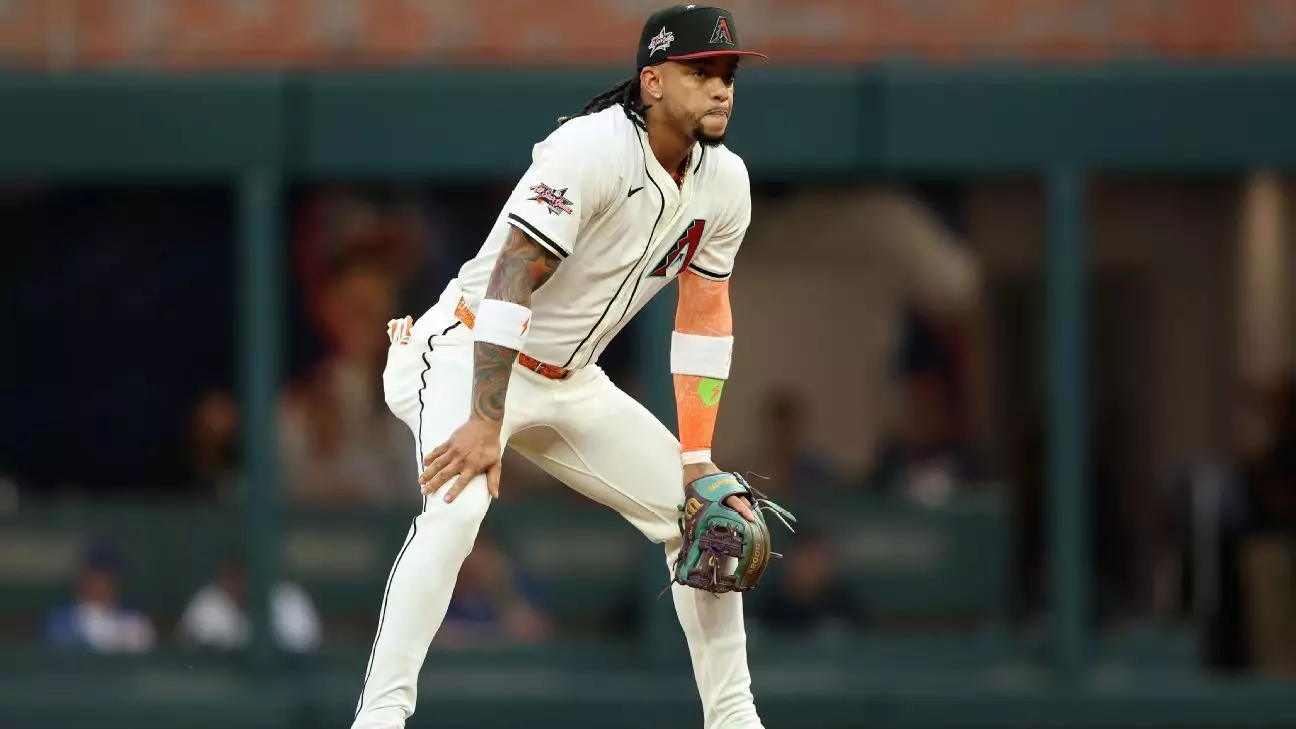
In today’s high-stakes sports environment, the narrative often promotes the idea that a “professional athlete” must embody unwavering dedication, relentless work ethic, and absolute focus. Yet, beneath this polished surface lies a more complex reality—one that reveals the human flaws, vulnerabilities, and personal struggles athletes grapple with. The recent situation involving Ketel Marte exemplifies this tension. While he excels on the field, his off-the-field choices have ignited a debate about what genuine commitment truly entails. Is it fair to demand perfection from someone who, like all of us, is affected by personal circumstances, mental health struggles, and even moments of vulnerability?
Marte’s decision to temporarily step away from the game after his weekend in the Dominican Republic seems, on the surface, an example of unprofessionalism. But a deeper analysis indicates that this situation exposes a broader cultural misconception: that success in sports equates to emotional invincibility and unwavering availability. Human beings are inherently fragile, especially when navigating the pressures of professional excellence combined with personal trauma—like a burglary or other emotional upheavals. Dismissing these as excuses overlooks the importance of empathy and the recognition that even the most talented individuals have limits.
The Fallacy of Absolute Dedication
The criticism Marte received underscores a persistent stereotype: that true athletes should push through any adversity, sacrificing their personal wellbeing for the team’s success. Yet, such an expectation is fundamentally flawed and unjust. Athletes are increasingly pigeonholed into being autonomous, tireless machines—less humans, more commodities. This dehumanization feeds a toxic myth that any sign of weakness, vulnerability, or personal time lost diminishes their professionalism. It’s a narrative that not only unfairly penalizes individuals like Marte but also distracts us from the real issues at play—mental health, personal safety, and the importance of work-life balance.
The fact that Marte is having a career-best season complicates this narrative even further. It challenges the assumption that taking time off correlates with diminished performance or diminished commitment. Instead, it suggests that mental and emotional health, just like physical health, is integral to sustained success. The real question should not be whether he missed a few games but whether the system—coaches, organizations, fans—acknowledges and supports athletes’ holistic wellbeing.
The Cultural Battle over Personal Autonomy
This incident also reveals the deeper ideological divide within the sporting community: are athletes viewed as autonomous agents deserving of personal discretion, or as mere workers whose primary duty is to perform at all costs? Critics tend to lean toward the latter, often disregarding the nuanced realities of human life. When Marte was sidelined, criticism of his choices became a reflection of societal undercurrents—an impatience with individuality, a discomfort with vulnerability, and an insatiable demand for relentless productivity.
The Arizona Diamondbacks’ response, emphasizing Marte’s character and dedication, misses the bigger picture. Endorsements of his professionalism should not come at the expense of acknowledging his human side. His honesty about his emotional state, even if uncomfortable, is arguably a sign of strength rather than weakness. It pushes us to reconsider our expectations of athletes as mere entertainers or symbols of perfection, and instead see them as multi-dimensional individuals navigating the same complexities as anyone else.
The Fragile Foundation of Modern Sports Fame
At the core of this controversy is our collective failure to embrace imperfections in live performance. Fans, coaches, and management often treat athletes as heroes who must embody idealized virtues. This unrelenting admiration can morph into unnecessary criticism when those individuals stumble, take time for themselves, or face setbacks beyond their control. It’s a reflection of our inability to reconcile human imperfection with the myth of the all-conquering sports star.
In the case of Marte and others like him, the real challenge is fostering an environment that prioritizes the athlete’s holistic health over short-term wins or superficial perceptions of dedication. If we genuinely care about the integrity of sport, we should resist the urge to police every off-the-field decision and instead advocate a culture that values empathy, mental health, and personal autonomy. Only then can we move toward a more realistic and humane understanding of what it means to be committed—not in spite of one’s vulnerabilities, but because of them.