
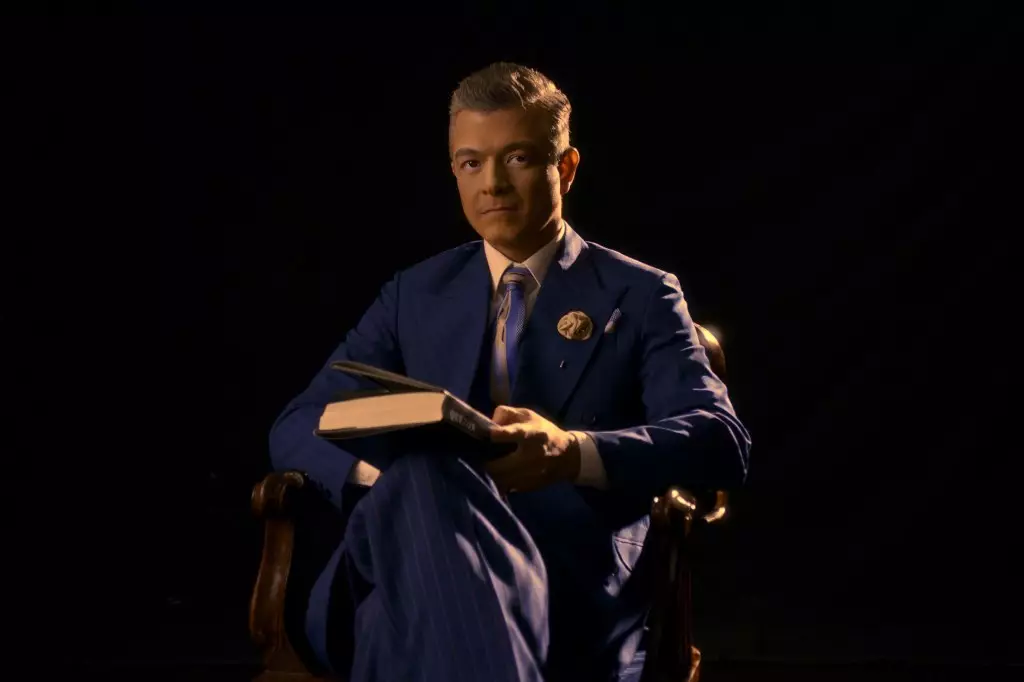
The announcement of the film “Quezon” by TBA Studios initially promises an engaging cinematic portrayal of a pivotal figure in Philippine history. However, a critical analysis reveals that such projects often fall into the trap of glamorizing history rather than exploring its nuanced truths. The film appears set to depict Manuel L. Quezon as a heroic, almost mythic leader, which risks oversimplifying the complex realities of his political life and the tumultuous era he influenced. While there is value in showcasing national icons, the danger lies in fostering a nostalgic narrative that neglects the darker, more complicated facets of history — including political manipulations and contentious decisions that continue to resonate today.
Historical Accuracy and Artistic License
Focusing on the film’s premise, it is designed to highlight Quezon’s political maneuvering during a critical period of Philippine history — his efforts to secure independence and establish a lasting governance framework. Yet, historical accuracy seems secondary to dramatic storytelling. When filmmakers emphasize character development over factual fidelity, viewers might accept distortions as truths. For instance, casting well-known actors like Jericho Rosales and Iain Glen introduces a glossy veneer that can inadvertently oversimplify the gritty realities of Philippine politics. Such portrayals risk elevating a singular narrative that aligns with popular memory while silencing dissenting voices or marginalized perspectives from underrepresented groups during this era.
The Risk of Political Romanticism
The film, part of the “Bayaniverse” trilogy, appears to lean toward romanticizing a national hero, portraying him as a charismatic statesman fighting against external domination. While this approach can inspire pride, it also obscures the more pragmatic, sometimes morally ambiguous strategies employed by Quezon. The narrative’s focus on his electoral rivalry with Aguinaldo and his dealings with American officials invites scrutiny: does it portray a genuine struggle for sovereignty, or does it risk presenting colonialism’s influence as an inevitable, almost noble compromise? The selective storytelling has a tendency to foster a sanitized history, sidelining ongoing debates about the true cost of independence and the compromises involved in nation-building.
The Limitations of Representation
By choosing well-known actors to embody historical figures, the film tacitly assumes that casting can automatically humanize and deepen understanding. Yet, representation alone does not guarantee authenticity or critical engagement. For the Filipino audience, especially young viewers, this risks creating an overly simplistic narrative rooted in emotion rather than historical insight. The film’s inclusion of figures like Aurora Quezon and Manuel Roxas could deepen the narrative, but only if presented with authentic complexity. Without it, they become mere supporting characters in a patriotic pageant that elevates personalities over principles or contextualizes their actions within imperial pressures and socio-economic realities.
The Aspirations Versus the Reality of Philippine Cinema
TBA Studios’ ambition to bring Philippine history to the international stage is commendable, but it also raises questions about responsible storytelling. Films like “Quezon” hold the power to shape perceptions, yet they often do so at the expense of critical engagement. A cinematic representation that leans too heavily on hero worship can perpetuate an uncritical perspective, discouraging viewers from questioning or understanding the deeper, often messier truth of history. If the film aims to contribute meaningfully to Filipino cultural identity, it must balance dramatization with honesty, acknowledging flaws and contradictions that are inherent to historical figures and their eras.
A Missed Opportunity for Critical Reflection
Ultimately, the real potential of a film like “Quezon” lies not in mere storytelling, but in fostering a deeper understanding of what it means to forge a nation. Instead of solely celebrating a hero, the film should challenge audiences to grapple with the difficult realities of power, colonization, and resistance. The decision to portray Quezon and his contemporaries within a more complex, multi-dimensional framework could transform the film from a patriotic spectacle into a tool for critical reflection. Without this, it risks becoming just another glorified depiction that fails to confront the uncomfortable truths that still influence Philippine society today.