
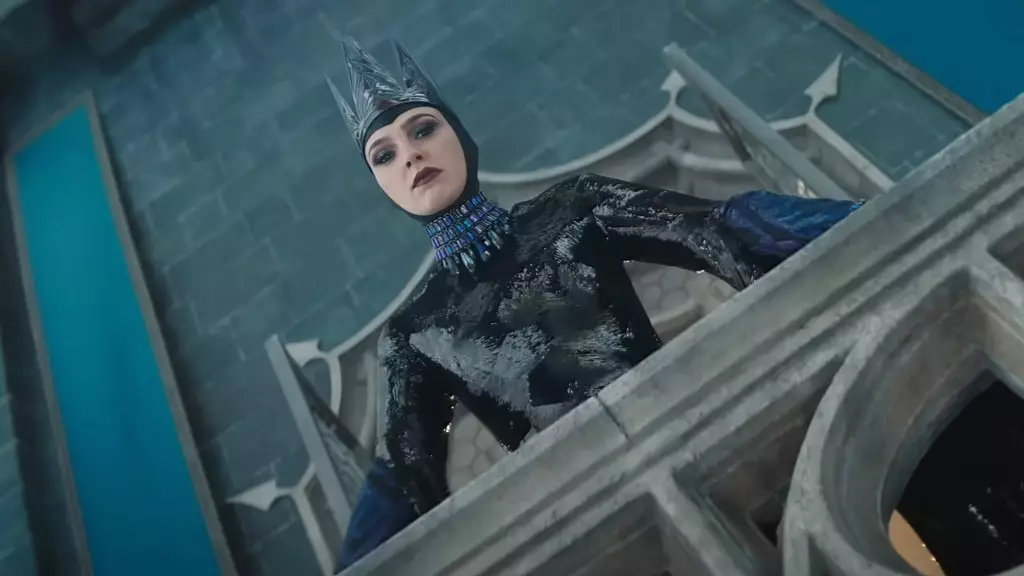
Celebrities like Gal Gadot often portray themselves as helpless victims caught in the maelstrom of political controversy. In her recent comments, Gadot frames her film’s lackluster box office performance as a direct consequence of external pressures related to her stance on Israel. However, this oversimplification replaces genuine accountability with a narrative that absolves the industry and audience of their complicity. It suggests that her emotional response—and the film’s failure—are products of external forces beyond her control, subtly shifting the blame away from artistic quality or strategic decision-making. This stance reveals an unsettling tendency among high-profile figures to leverage the guise of victimhood, minimizing their own responsibility in the success or failure of a project.
Political Allegiances and Their Impact on Art and Commerce
Gadot’s adamant linking of her political views to the film’s commercial outcome underscores how political identity increasingly infiltrates cultural domains. As a staunch supporter of Israel, her public statements have sparked protests, and her perceived political stance is seen as a liability within Hollywood’s liberal-inclined establishment. Yet, this correlation is often exaggerated. To claim that external political pressures solely determined Snow White’s failure ignores numerous industry factors—market trends, marketing strategies, audience reception, and even the storytelling itself. It’s easier for some celebrities to blame politics and “external forces” than confront uncertainties within their creative endeavors. Moreover, framing politics as the primary obstacle grants celebrities an undeserved sense of moral superiority, positioning themselves as pawns rather than active participants shaping their careers.
The Myth of Artistic Neutrality in Hollywood
The assumption that Hollywood is an apolitical haven is fundamentally flawed. The industry’s high-profile figures routinely blend personal beliefs with public appearances, often using their platform to influence social discourse. Gadot’s remarks expose a problematic double standard: artists are praised for their talent but are swiftly scrutinized and marginalized when their politics diverge from mainstream liberal sentiments. While liberalism champions free expression, it also demands ideological conformity, especially when it comes to contentious geopolitical issues. The narrative that external political tensions are to blame for commercial failures perpetuates a false sense of innocence and neglects the complex reality that audiences are increasingly discerning about the motives and beliefs behind the stars they support.
The Role of Audience Agency and Critical Engagement
It’s crucial to recognize that audiences aren’t passive recipients of entertainment—they are active thinkers and critics. Blaming external pressures, whether political or social, sidesteps the reality that consumers have the power to support or boycott films based on myriad factors, including perceived authenticity or political alignment. Celebrities like Gadot often assume a victim stance to garner sympathy, but this dismisses their audience’s agency and intelligence. The simple act of choosing to watch or boycott a movie based on political perception shouldn’t be viewed as censorship but as a legitimate exercise of individual sovereignty. Ultimately, the failure to acknowledge this collective agency reveals a paternalistic attitude, where stars believe they are entitled to a protected space free from critical judgment—an illusion that undermines genuine democratic engagement in cultural discourse.
In conclusion, the narrative of victimhood and external forces controlling Hollywood’s outcomes is a convenient myth that insulates celebrities from introspection. By refusing to accept personal responsibility and glorifying political victimization, they not only distort the realities of the industry but also undermine the very principles of free expression and critical engagement that should define a truly open society.