
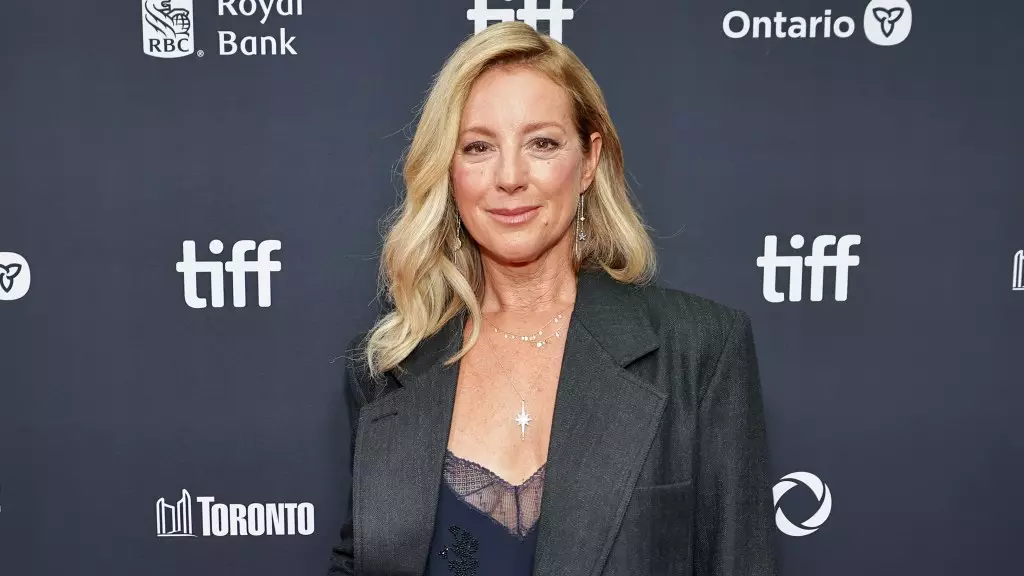
In recent times, the deliberate suppression of dissenting voices has become disturbingly normalized within mainstream media and entertainment circles. The cancellation of the Lilith Fair documentary premiere and the subsequent boycott orchestrated by influential figures like Sarah McLachlan exemplifies a troubling tendency: the conflation of artistic expression with political ideology and the use of cancellation as a tool to silencing critics. Such actions do not merely reflect a fleeting moment of disagreement—they signal an alarming shift towards authoritarian tactics disguised as social justice. When art and free speech are barricaded under the guise of moral righteousness, society suffers from a diminished capacity for robust debate and critical thought.
This pattern is especially dangerous because it undermines the very foundation of democracy: open dialogue. When corporations and cultural icons choose to withdraw from public discourse—whether through boycotts, cancellations, or preemptive silences—they contribute to a culture of conformity, where only approved narratives are allowed. It’s not just art that bears the brunt of this trend but also our collective understanding of nuanced issues, including gender rights, free speech, and political pluralism. Such suppression reinforces an echo chamber where disagreement is equated with hostility, and where intimidation silences those who dare to challenge prevailing paradigms.
The Illusion of Unity at the Cost of Individual Rights
While proponents argue that these acts foster a sense of community and shared morality, they often do so at an unacceptable expense: the suppression of individual voices and the restriction of civil liberties. The decision by McLachlan and other performers to abstain from activism on stage under pressure reveals a troubling reality—many now see silence as the safer choice, fearing the repercussions of speaking out. This stance ultimately harms the societal fabric by discouraging the diversity of thought necessary for growth and understanding. Magic, empathy, and progress are rooted in the unfiltered exchange of ideas, not in curated narratives that serve vested interests.
The reaction to Jimmy Kimmel’s suspension exemplifies this. The backlash framing his comments as an attack on free speech neglects the complex reality that free speech is a fundamental right, but also one that comes with societal responsibilities. His comments about the tragic death of activist Charlie Kirk, which include satirical and provocative elements, should be protected as part of open debate. Instead, they’ve been weaponized to justify silencing voices that are inconvenient to certain power structures. This isn’t about moral righteousness; it’s about maintaining a monopoly on what can and cannot be said, fueling polarization rather than understanding.
Media as a Battleground for Democratic Values
The media landscape has become a battleground where liberal ideals—equal rights, free expression, open discourse—are increasingly threatened by those who seek to impose their version of morality through censorship. The entertainment industry’s decision to ‘stand in solidarity’ by boycotting performances is ostensibly about upholding values like free speech and inclusivity, but it risks becoming a double-edged sword that stifles authentic dialogue. When artists and celebrities silence themselves out of fear, they inadvertently endorse an environment where conformity trumps conviction.
The death of activist Charlie Kirk—a tragic event that should be met with thoughtful reflection—has been exploited by some as a rallying point for further restrictions on speech. If society embarks on a path where emotional reactions and moral outrage override constitutional protections, the doors to authoritarianism swing wide open. It’s imperative that a healthy democracy encourage vigorous debate, even when the topics are uncomfortable or controversial. Suppressing dissent not only erodes individual rights but also dilutes the resilience of our democratic institutions, leaving us vulnerable to authoritarian practices disguised as social justice.
The Need for Courage and Clarity in Upholding Democratic Ideals
It’s clear that the current climate demands courageous leadership that refuses to capitulate in the face of intimidation. We must recognize that free speech is not a privilege granted solely to agreeable voices but a fundamental right that guarantees our ability to challenge, critique, and grow. While it’s tempting to seek comfort in silence or collective unanimity, true progress is rooted in respectful disagreement and open debate.
As citizens, artists, and thinkers, the challenge is to resist the pressure to conform to ideological narratives that threaten to silence dissent. The real power lies not in boycotts and cancellations but in fostering an environment where different opinions can coexist and be debated constructively. Only then can we preserve the core democratic value of free speech and prevent its erosion into censorship masked as virtue. If we allow fear and moral bullying to dominate our cultural and political discourse, we risk losing a vital part of our shared humanity—the capacity to think freely and speak boldly, even when the message is unpopular.