
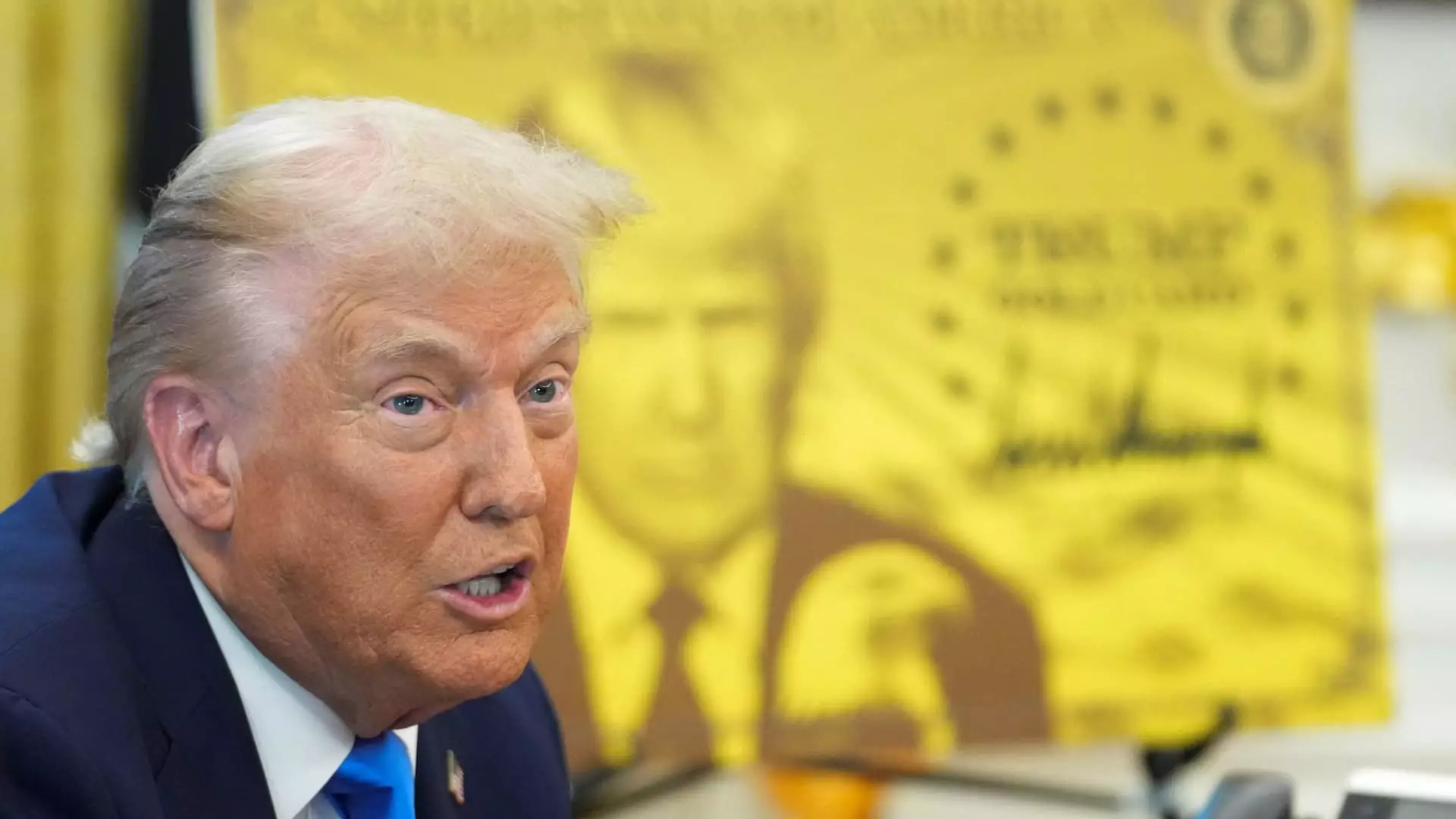
In a move that threatens to destabilize the very foundation of America’s technological innovation, the Trump administration’s decision to impose a $100,000 annual fee on H-1B visas marks an alarming shift toward protectionism cloaked in nationalism. While rhetoric around protecting American jobs is often used to justify such policy changes, this recent announcement exposes a more unsettling truth: the prioritization of short-term political gains over long-term economic prosperity. Instead of fostering a sustainable environment for growth, this policy risks throttling the nation’s vital flow of global talent, particularly from countries like India and China, which have historically supplied a significant portion of highly skilled workers in the tech sector.
The impact of such a steep fee extends beyond mere numbers; it signals a retreat from America’s tradition of openness that helped build the world’s dominant innovation hub. Major corporations like Amazon, Microsoft, and Google have relied heavily on H-1B workers to sustain their competitive edge. Disrupting this pipeline will inevitably lead to project delays, talent shortages, and a diminishment of the U.S.’s reputation as an attractive destination for top global talent. The move displays a shortsightedness rooted in political populism rather than strategic economic foresight, risking the degradation of the country’s technological infrastructure.
Corporate America’s Alarm and the Human Cost
The immediate reaction from corporate giants underscores the gravity of this policy shift. Internal memos from Amazon, JPMorgan Chase, and Microsoft reveal a panicked response—visa holders are advised to remain in the country and avoid international travel to protect their legal statuses. These directives, driven by fears of sudden policy changes, underscore how deeply embedded foreign talent is within America’s economic ecosystem. The situation highlights a broader issue: the human cost behind the headline policies. Highly skilled immigrants, often far from home, face uncertainty at a time when stability and clarity are most needed.
For the families of these workers, the consequences are even more profound. The Indian government has expressed concern about the humanitarian implications of these restrictions, emphasizing the potential disruption to families and communities. This reflects a broader failure in American policymaking—prioritizing immigration as economic leverage rather than recognizing its role as a crucial human resource that fosters cultural exchange, innovation, and mutual benefit.
The Illusion of Nationalism and the Erosion of Global Competitiveness
This policy initiative is more than a bureaucratic maneuver; it is an ideological retreat from the values that originally made the U.S. a magnet for global talent. The notion that restricting skilled immigration will protect the American worker is flawed and short-sighted. Experience has shown that diversity fuels innovation; excluding talented individuals based on nationality reduces the pool of ideas, expertise, and perspectives vital for technological breakthroughs.
Furthermore, in a globally interconnected economy, such policies diminish the U.S.’s standing on the world stage. Countries like India and South Korea are already assessing how these restrictions impact their own industries and skilled labor forces. If the U.S. continues down this path, it risks becoming an insular nation, losing its competitive edge and fostering resentment among international partners.
The move also reveals an increasingly narrow view of what it means to support American workers. Investing in education, training, and automation offers sustainable solutions; trifling with the immigration system for short-term political gain only undermines the very innovation that creates jobs and drives economic growth.
The Need for a Shift Toward a Center-Right, Progressive Immigration Framework
Mitigating the damage caused by such reckless policies requires a reevaluation rooted in pragmatic liberalism. A balanced approach would recognize the importance of skilled immigration while implementing thoughtful measures to protect American workers. Promoting pathways for domestic education and workforce development should go hand in hand with sensible immigration reforms that attract top talent without fueling resentment or economic instability.
Rigid, punitive policies like the proposed visa fees serve only to alienate potential allies and diminish U.S. technological leadership. Instead, fostering an environment of openness—coupled with strategic support for American workers—would position the nation as a global leader that leverages diversity as an asset rather than an obstacle. As a center-leaning liberal, I believe that the future of America’s innovation economy depends on embracing talent from around the world while diligently working to support our own citizens through robust education and reskilling initiatives.
The current trajectory reflects a shortsighted nationalism that dismisses the value of international collaboration. If the U.S. is to remain at the forefront of technological innovation, it must abandon policies rooted in fear and instead cultivate a climate of inclusivity, mobility, and sustained investment in human capital. Only then can it truly harness the potential of its global talent pool and secure a prosperous future.