
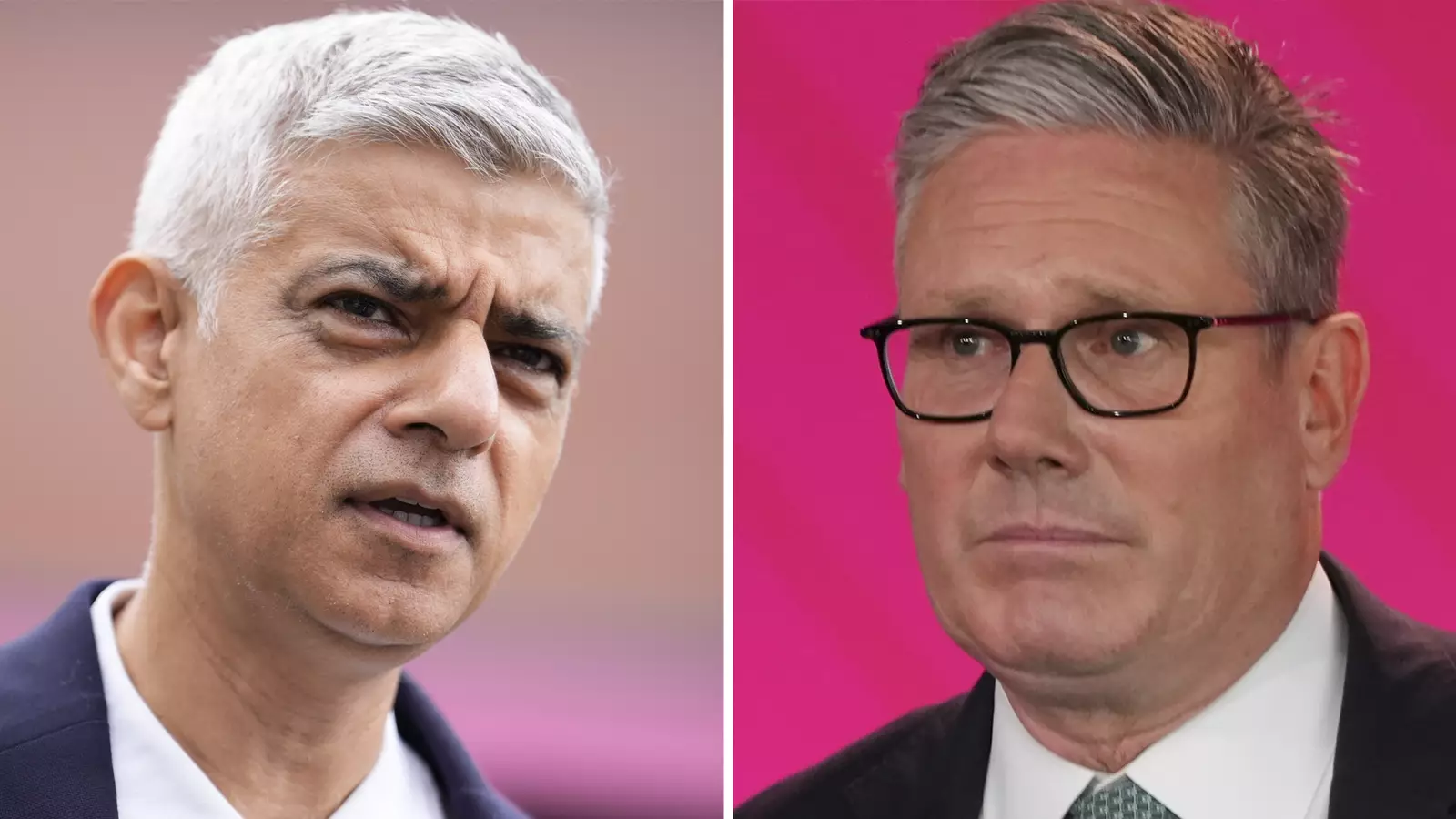
In recent days, the escalating violence and mounting humanitarian crisis in Gaza have pushed certain leadership figures to break from traditional diplomatic silence and confront uncomfortable realities. Sir Sadiq Khan’s outspoken declaration that what is unfolding there constitutes a “genocide” marks a crucial shift—a move that insists on the moral gravity of the situation rather than sidestepping it. His words challenge a long-standing tendency among Western governments to downplay or deny the severity of Israeli actions, even when evidence is irrefutable. By labeling the devastation in Gaza as genocide, Khan demands that leaders face up to the dire consequences of their policies and rhetoric, fostering a much-needed moral compass in international discourse.
This act of candor is significant in the context of a global political landscape often marred by equivocation. It underscores the importance of moral clarity—recognizing atrocities not as collateral damage or complex military conflicts but as egregious breaches of human rights that demand accountability. While criticizing the official position of the UK government and the United States’ nuanced hesitations, Khan’s statement invigorates a moral debate that has too often been suppressed by geopolitical convenience. It is an appeal to human decency that insists the suffering of innocent civilians in Gaza can no longer be dismissed as a mere political or military issue; it is a human tragedy deserving of unequivocal acknowledgment.
Political Wrangling Masks an Urgent Crisis
The political maneuvering surrounding the recognition of Palestine reveals a troubling tendency to prioritize diplomatic delicacies over human suffering.Prime Minister Keir Starmer’s careful delay in formally recognizing Palestinian statehood exemplifies a leadership caught between moral responsibility and political expediency. His reluctance to step forward before the US president’s visit indicates a willingness to sideline human rights issues for the sake of diplomatic optics. This behavior, far from neutral, perpetuates a cycle of silence that allows violence to fester under the guise of diplomacy. It highlights a fundamental flaw in how mainstream politics often handles complex conflicts: the preference for measured silence over moral conviction.
The tension between the UK, the US, and other Western nations regarding the recognition of Palestine exposes an uncomfortable truth: geopolitical interests—particularly those aligned with maintaining close relations with powerful allies—often take precedence over human rights. This approach is fundamentally flawed. Moral courage requires standing firm in the face of geopolitical pressure, especially when innocent lives are at stake. When leaders choose delay or appeasement over decisive action based on principles, they become complicit in the ongoing suffering. Recognizing Palestine as a state in the current crisis should not be a diplomatic gamble but a moral duty—an unflinching stand for justice that transcends other interests.
The Danger of Denial and the Call for Moral Responsibility
The ongoing discourse surrounding whether Israel’s actions in Gaza constitute genocide is more than academic debate; it is a reflection of how society chooses to interpret and respond to human suffering. The UN’s recent report, which identifies clear intent to destroy Palestinians in Gaza, underscores the gravity of the situation. Yet, the UK government’s refusal to declare it genocide highlights a disturbing pattern: political leaders prefer to avoid uncomfortable truths to protect diplomatic relations and Israel’s image.
This refusal to acknowledge the reality on the ground fosters dangerous complacency. When governments deny the scope of atrocities or dismiss their severity, they inadvertently endorse a cycle of violence and dehumanization. The language matters. Calling what is happening in Gaza “genocide” is not an inflammatory accusation, but an affirmation of the brutal reality faced by millions. It is a moral imperative for leaders who claim to champion human rights to confront these truths head-on rather than hide behind diplomatic euphemisms.
Ultimately, the emphasis must shift from diplomatic rhetoric to moral responsibility. Recognizing the human cost behind the headlines demands courage—courage to confront inconvenient truths, to advocate for justice, and to challenge the systemic injustices that perpetuate these tragedies. As global citizens, allowing denial or equivocation to dominate the narrative only prolongs suffering. True leadership in this crisis entails acknowledging the full extent of the human tragedy and acting decisively—before it’s too late.