
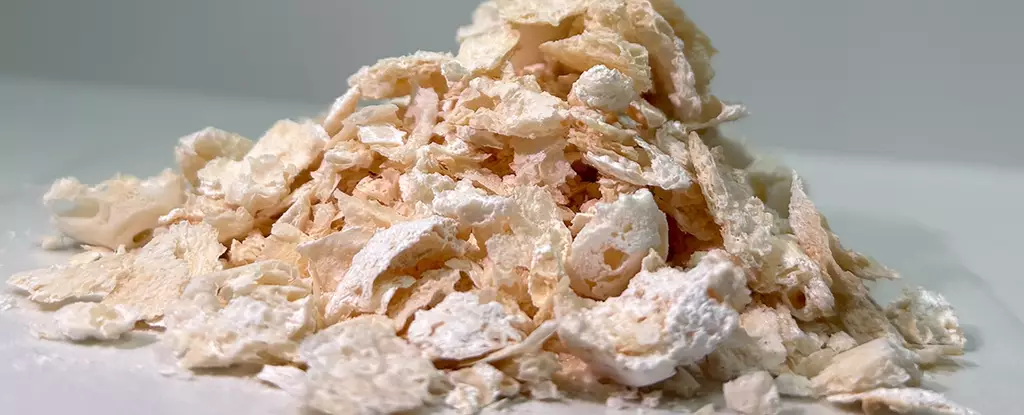
In an era dominated by environmental crises, the pursuit of sustainable materials is more urgent than ever. Innovations like pyridinedicarboxylic acid (PDCA) promise a glimmer of hope—offering the potential to produce biodegradable plastics with fewer environmental ramifications. Yet, beneath the surface of these technological advancements lies a tangled web of challenges, trade-offs, and often, overly optimistic expectations. While the scientific strides are commendable, they serve as a reminder that progress in sustainable materials cannot be divorced from the broader ecological and economic realities that shape our world.
The recent breakthrough in PDCA synthesis, achieved through biological engineering, signals a significant step forward. Researchers at Kobe University have increased yields dramatically and reduced toxic waste, addressing some of the most glaring issues associated with conventional plastic production. The core innovation—using bacteria to produce the compound from basic nutrients—demonstrates how bioengineering can push the boundaries of eco-friendly manufacturing. This approach aligns with a liberal vision that advocates for harnessing technology to create sustainable solutions, emphasizing incremental improvements over radical, potentially disruptive alternatives.
However, it’s essential to approach these developments with skepticism. The use of compounds like pyruvate to manage byproducts introduces new layers of complexity, both economically and environmentally. The added chemical step could undermine the very sustainability the process claims to achieve—an irony that underscores the difficulty of truly “green” innovation. Can we genuinely claim progress when new steps bring unforeseen complications? It raises critical questions about scalability, cost, and whether such methods can compete with the entrenched convenience and affordability of traditional plastics.
Material Innovation: Hope or Just a Greenwashed Divide?
The pursuit of biodegradable plastics enhanced with substances like PDCA is undoubtedly promising, but it risks being swept into the broader narrative of greenwashing. It’s easy to get enthused about cutting-edge research that touts revolutionary potentials, yet the practical realities of production—cost, infrastructure, global supply chains—often reveal a different story. The notion that a lab breakthrough automatically translates into environmental salvation is overly simplistic. Larger-scale implementation demands scrutiny: Will these new materials be accessible to developing nations? Will the cost factors keep them anchored in niche markets? These are questions that researchers and policymakers must confront.
Furthermore, the environmental benefits of biodegradable plastics remain contested. Recent studies highlight the alarming effects of microplastics penetrating even the most delicate ecosystems and human bodies. Switching to partially biodegradable variants might mitigate some pollution, but it doesn’t address the fundamental issue of overproduction and excessive consumption. The fight against plastic pollution requires a comprehensive approach—regulating usage, redesigning products, and promoting circular economies—not solely relying on “greener” plastics as a silver bullet.
This context underscores a critical philosophical dilemma: Should we focus on technological patchworks that temporarily alleviate symptoms, or should we fundamentally rethink our consumption patterns? While innovations in microbial synthesis demonstrate the inventive spirit and capacity for positive change, they risk diverting attention from the systemic changes urgently needed in production, waste management, and consumer habits.
Balancing Innovation and Responsibility
The story of PDCA exemplifies the double-edged nature of technological breakthroughs. They inspire hope but also challenge us to consider whether we are genuinely progressing or merely rearranging the deck chairs on a sinking ship. The emphasis on bio-based production aligns with a center-leaning liberal view that advocates for sustainable development intertwined with economic growth. It recognizes the importance of scientific progress while insisting that environmental responsibility remains paramount.
Advocating for biotechnological solutions like PDCA also requires confronting the realities of resource inputs, energy consumption, and potential unintended consequences. For instance, large-scale bacterial cultivation and chemical supplementation might demand significant resources—questioning whether they truly offer a net benefit over traditional manufacturing. The temptation to champion “green” innovations without rigorous, critical evaluation can lead to complacency, delaying meaningful policy shifts and behavioral changes necessary to combat ecological collapse.
Ultimately, while bioengineered materials like PDCA and bacterial cellulose composites are promising, they should be integrated into a broader framework of responsible sustainability—one that emphasizes reducing plastic use, improving waste management, and fostering eco-conscious consumption patterns. True progress will result from an honest acknowledgment of the limitations of current technologies, combined with a commitment to systemic change—balancing innovation’s promise with its practical and ecological realities.