
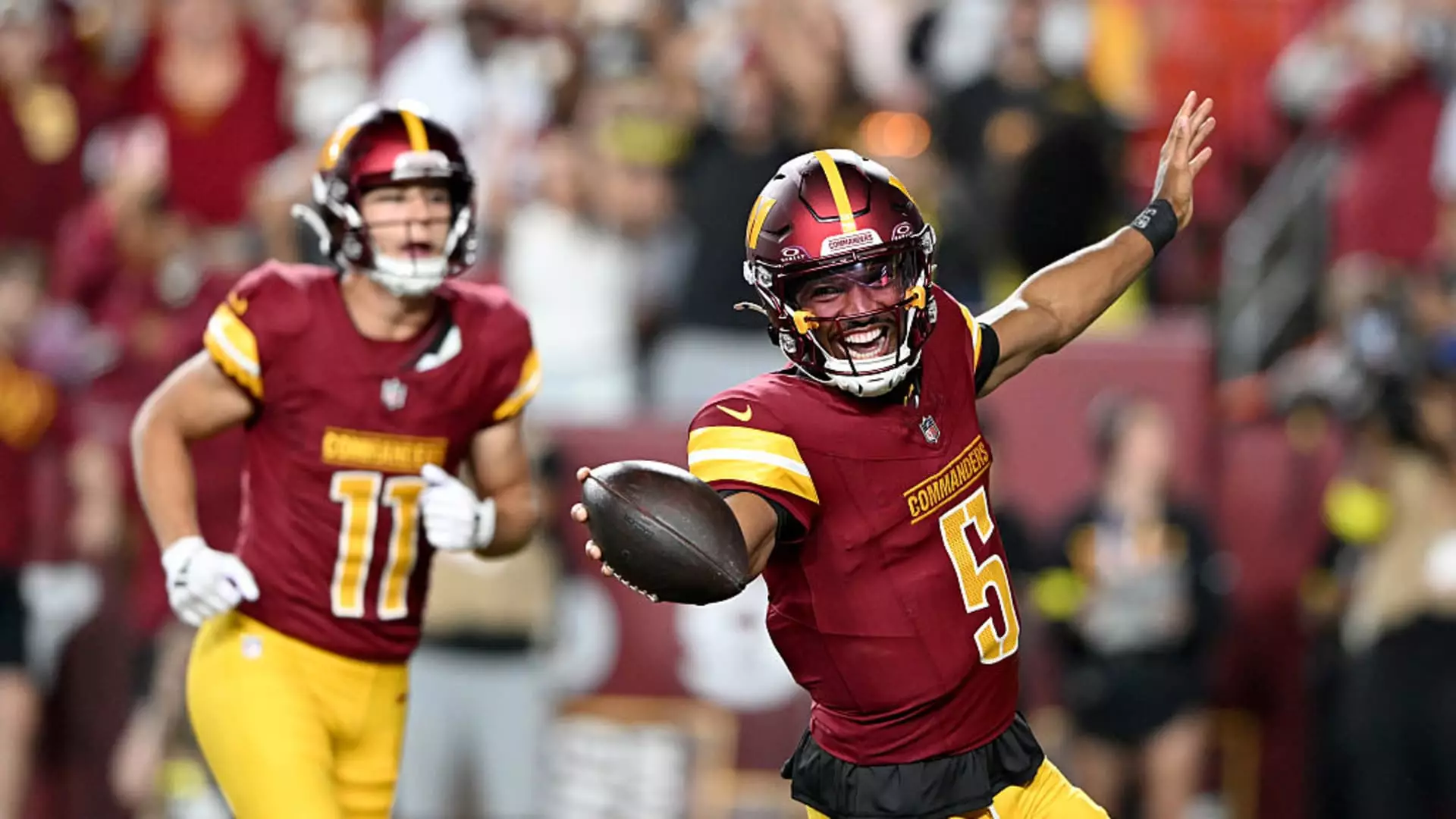
Robinhood’s latest venture into the realm of sports prediction markets exemplifies a troubling trend of commodifying leisure activities for financial gain. By integrating NFL and college football outcomes into its platform, Robinhood signals an alarming prioritization of profit over societal responsibility. This move transforms beloved sporting fixtures, traditionally centered around community, excitement, and shared passion, into a gambling-like arena where participants trade on unpredictable outcomes. It risks fostering an environment where sports serve merely as another avenue for speculation, eroding the genuine sporting spirit and compromising the intrinsic value of athletic competition.
Rather than viewing sports as a cultural touchstone that unites communities and inspires millions, Robinhood reduces these games to opportunities for financial maneuvering. Its prediction markets operate on the principle of setting prices through buyer-seller interactions—similar to betting—raising concerns about encouraging casual online gambling behaviors rooted in uncertainty and risk. While Robinhood claims these markets differ from traditional sports betting, the line appears increasingly blurred as these platforms normalize sports wagering under the guise of investment. This normalization might lead users—often younger, impressionable individuals—down a dangerous path of addictive betting driven by greed and cognitive biases, rather than rational, informed decision-making.
Capitalism’s Dark Side: Exploiting Passion for Profit
Robinhood’s foray into sports prediction markets underscores a larger issue of capitalism’s greed overshadowing societal well-being. In pursuit of expanding engagement and revenue, platforms are turning everyday activities—such as watching football—into speculative pursuits. This not only risks fueling gambling addictions but also trivializes the cultural importance of sports. The excitement that once thrived within the realm of athletic achievement now feels secondary to potential monetary gains, distorting the true purpose of sports as a form of entertainment and physical excellence.
Moreover, Robinhood’s focus on sports as a new market segment exemplifies how digital platforms commodify human passions. It raises ethical questions about whether profit motives should supersede social responsibility. As they tap into the emotional connections fans hold with teams and players, these companies capitalize on hopes, fears, and biases, often without sufficient safeguards against exploitation. The potential for financial harm grows when millions are encouraged to treat game outcomes as profitable opportunities, rather than sources of innocent enjoyment.
The Broader Implications for Society and Regulation
The expansion of prediction markets into sports signifies a troubling shift in how society perceives and interacts with entertainment. With Robinhood making these activities accessible from daily trading hours, the line between investing and gambling becomes increasingly indistinct. This may lead to normalizing risk-taking behaviors that feed addictive tendencies, especially among vulnerable populations like young adults who are still developing critical decision-making skills.
From a regulatory perspective, this development warrants scrutiny. The blending of investment and gambling models creates a lacuna in safeguards designed to protect consumers from impulsive loss and financial harm. If corporations continue to blur these lines without transparent oversight, the risk is not only individual financial ruin but also broader societal normalization of hazardous behaviors. While markets can be powerful tools for civic engagement and economic growth, their manipulation for entertainment—particularly when it involves sports—must be critically examined and regulated to prevent exploitation under the guise of innovation.