
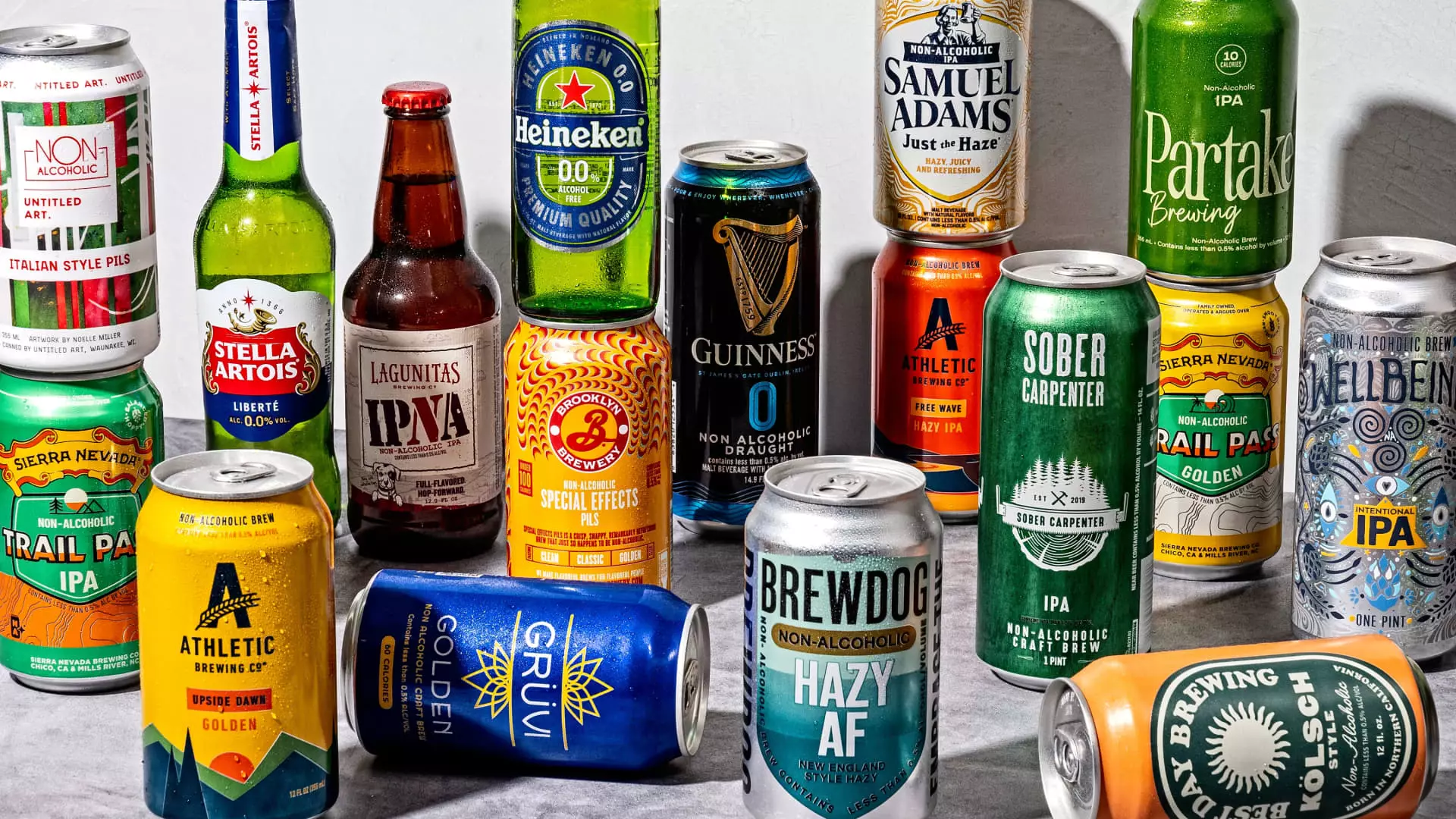
In a world where traditional drinking habits are being reassessed, non-alcoholic beer is carving out a niche that could soon eclipse ale as the second-largest beer category globally. This trend represents not just a shift in consumer preferences but a seismic change in cultural attitudes towards alcohol consumption. As the IWSR reports a staggering 9% growth in non-alcoholic beer amidst an overall beer volume decline, it’s clear that something significant is brewing in the hearts and minds of drinkers. This shift, particularly significant among younger consumers, indicates that the days of mindless drinking may be dwindling.
Behind the Trend: Motivations for Moderation
As societal standards progress, so too does the understanding of alcohol’s ramifications on health. Today’s drinkers are increasingly embracing the idea of moderation, embodying terms like “sober curious” and “damp lifestyle.” These phrases encapsulate a burgeoning movement, especially among Gen Z, where the allure of intoxicating nights out is losing its sparkle. Instead, these younger cohorts are seeking mindful consumption options, a trend that is redefining what it means to indulge.
The rise of non-alcoholic beer can be attributed to both a demand for healthier choices and a backlash against the toxicity of excessive drinking. Consumers are more aware than ever of what they consume, as wellness culture pervades every corner of society. Therefore, it is not surprising that major players in the beer industry are rushing to develop their own zero-proof alternatives. After all, a beer that offers the taste without the hangover is an enticing prospect for myriad consumers who are no longer willing to sacrifice their well-being for a buzz.
The Taste Test: Quality Over Quantity
However, the increasing popularity of non-alcoholic beer would be fleeting without one crucial element: flavor. In the past, non-alcoholic beers were often mocked for their lackluster taste, leaving drinkers longing for the complex flavors of traditional ales and lagers. Thankfully, advancement in brewing technology and techniques has led to the production of non-alcoholic beers that not only mimic but often surpass their alcoholic counterparts in taste. Breweries have recognized the necessity of creating a product that doesn’t compromise on flavor, and this focus has paid off handsomely. With craft-focused brands like Athletic Brewing leading the charge, today’s non-alcoholic beers are appealing even to the most discerning of palates.
This evolution raises an important question: can non-alcoholic beer maintain this trajectory of growth? With more consumers warming to the idea of enjoying a brew without the overwhelming effects of alcohol, projections from IWSR anticipate continued annual growth of around 8% through 2029. While some may still cling to traditional lagers, it’s clear that the landscape is shifting.
The Brewers’ Race: Competing for Market Share
The growing appetite for non-alcoholic options has led to intense competition among breweries, with major names like Guinness and Budweiser introducing their own non-alcoholic versions. However, one brand has stood out in particular: Athletic Brewing. Founded just a few years ago, Athletic has secured an impressive 17% market share of the non-alcoholic segment, signaling that consumers not only want healthier alternatives but prefer brands that understand their palate.
Surprisingly, Athletic Brewing has become a beacon of innovation and determination in a fairly stagnant industry. As they continue to widen their consumer base and compete on flavor, traditional beer giants may be left scrambling to keep pace—especially in markets like the U.S., which remains a lukewarm player in the no-alcohol beer scene.
The Cultural Shift: Embracing a New Identity
This surge in non-alcoholic beer consumption can also be viewed as a larger commentary on societal values. The acceptance of moderation is a reflection of a cultural paradigm shift; the collective identity of younger generations is rapidly evolving. As alcohol consumption declines among Gen Z and millennials, the stereotype of the heavy drinker is being dismantled. This opens the door to discussions around mental health, personal responsibility, and confronting the stigma often associated with sobriety.
Moreover, even celebrity endorsements are gravitating towards this trend, as seen with various high-profile figures launching their own zero-alcohol brands. This demonstrates that the narrative surrounding non-alcoholic beverages is changing, elevating it from a mere alternative to an attractive lifestyle choice.
The rise of non-alcoholic beer is indicative of a broader cultural transformation, one that celebrates moderation, health, and conscious consumerism. As this category approaches the precipice of becoming a formidable contender in the beer market, it is evident that the appetite for change is insatiable. With both flavor and social values shifting, the future of beer consumption may well lie in a glass of non-alcoholic brew.