
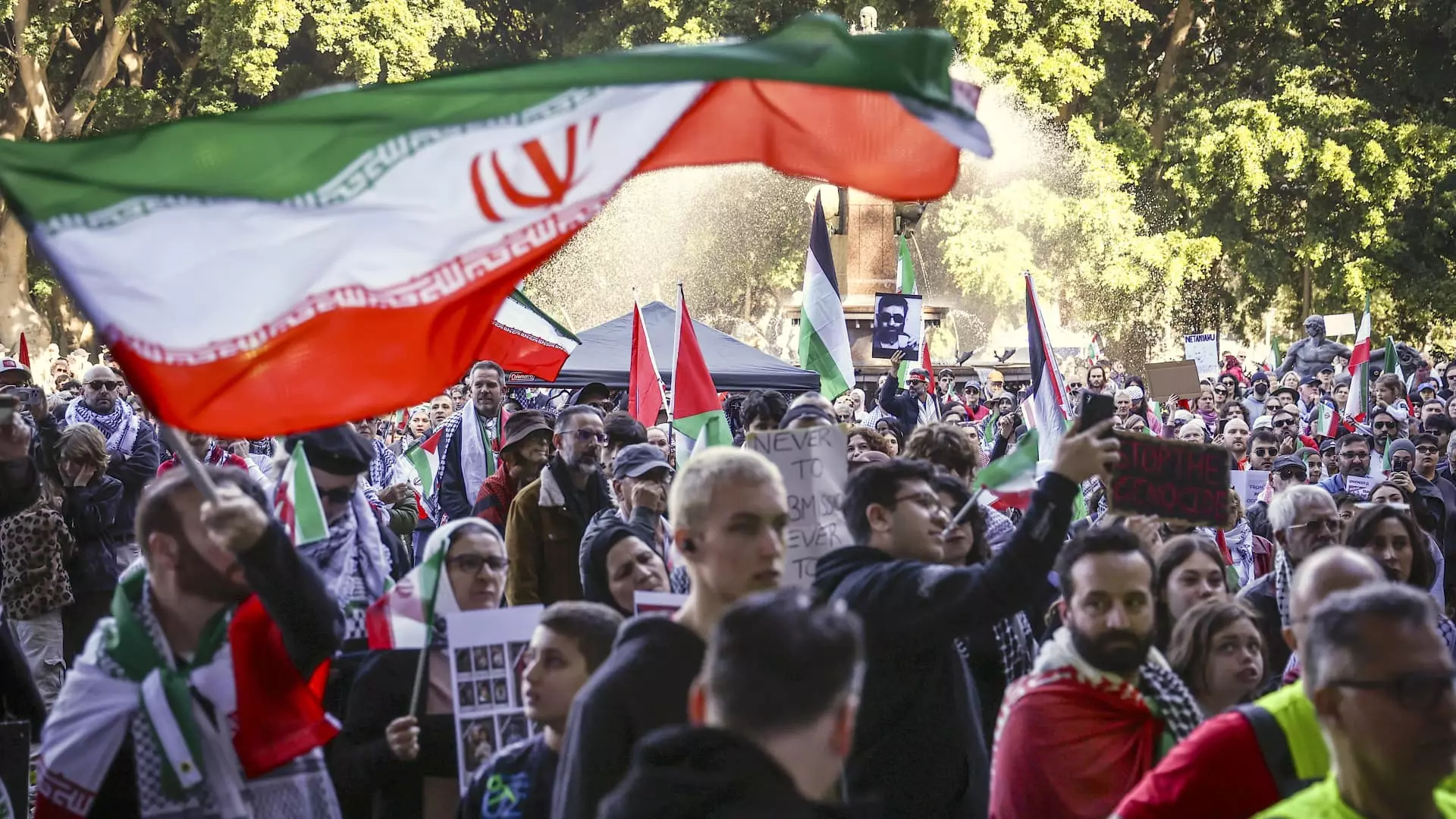
In the heart of the Middle East, a precarious ripple of hostility is rapidly transforming into a tempest. The recent barrage of U.S. missile strikes against Iran’s nuclear infrastructure marks a strategic pivot, revealing a deeply entrenched cycle of aggression that seems increasingly counterproductive. While it is not uncommon for nations to defend their sovereignty in the face of perceived threats, the manner in which these actions are unfolding poses profound implications for regional stability, accountability, and the potential for diplomacy.
Foreign Minister Abbas Araghchi’s pronouncements following the U.S. attacks are laden with a rhetoric that underscores Iran’s right to defend itself. Yet, this self-proclaimed right raises a salient question: at what point does the defense of sovereignty devolve into an infinite cycle of retaliation? Araghchi referred to the U.S. actions as “outrageous,” hinting at the deeper layers of mistrust and animosity that pervade U.S.-Iran relations. Labeling the attacks as criminal not only reinforces Iran’s victimhood narrative but also serves to galvanize nationalistic sentiments internally.
The Dangerous Dialectics of Military Engagement
A hallmark of the most recent confrontation is the intertwining of military might and diplomatic negotiations. Araghchi lamented how the U.S. and Israel’s actions undermined budding talks aimed at nuclear de-escalation. Herein lies a paradox: the immediate pursuit of military solutions erodes the fragile prospects for dialogue that could yield long-term peace. Instead, both sides appear resiliently wedded to the belief that power dynamics can be manipulated to achieve favorable outcomes, often at the expense of the ordinary citizens trapped in the crossfire.
President Trump’s characterization of the strikes as a “spectacular military success” is indicative of an administration that seems more inclined to resort to force than engage in constructive discussions. In the realm of international relations, such proclamations can exacerbate existing tensions, leading to a domino effect of assertive military responses. The stark contrast between Trump’s assertions and the reality on the ground reveals an unsettling disconnect—a dissonance that can only heighten fears of an ever-expanding conflict, rather than pacify an already inflamed situation.
Regional Repercussions: A Broader Context
The ramifications of these U.S. strikes reverberate far beyond the immediate theater of conflict. Countries such as Saudi Arabia and Iraq expressed apprehension, indicating that the actions taken by the U.S. signal a perilous precedent for Middle Eastern geopolitics. The fragility of peace in the region is exacerbated by Israel’s readiness to engage in retaliatory measures, thus entwining their national security with U.S. military interventions.
It’s crucial to recognize the mentalities driving these interactions: a game of chess where every move risks a catastrophic checkmate. As leaders indulge in a game of one-upmanship, innocents bear the brunt of their decisions. Reports indicate that casualties have surged, painting a grim picture of an unending cycle of violence. The realities of civilian lives lost amid the geopolitical chess play lead to the pressing question: can security be secured in a landscape marred by fear and hatred?
The Urgency for Constructive Dialogue
In light of the escalating tensions and staggering human toll, the call for negotiations must not only echo from the halls of power but also resonate in the everyday lives of those affected. Lebanon’s call for constructive dialogue stands as a vital reminder that while rhetoric of war may dominate headlines, it is through negotiation and peacemaking that long-term solutions will be unearthed.
The specter of warfare casts a long shadow on the potential for mutual understanding and compromise, yet it is precisely these dialogues that will be essential in defusing what could become an irreversible crisis. The United Nations and regional powers must converge to advocate for peace rather than exploit divisions for short-term gains. It is a clarion call to remember that security, when sought through the barrel of a gun, often leads nowhere but down the path of devastation and despair.
In navigating this dangerous landscape, there lies an imperative for a reevaluation of how power dynamics are engaged. Only through forging a path away from violence and embracing diplomacy can these nations hope to move towards a future less shadowed by conflict.