
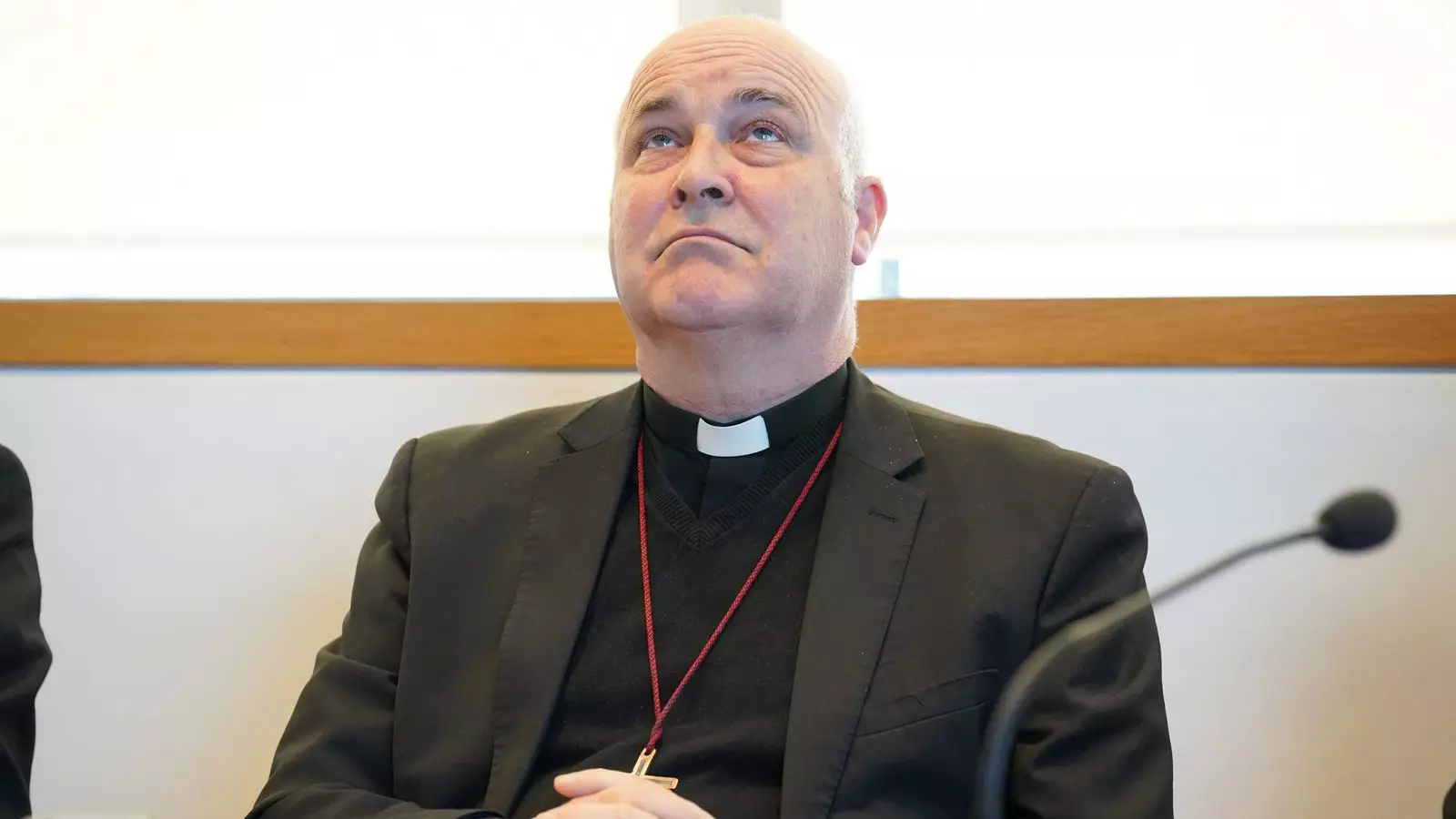
As the festive spirit of Christmas permeates communities, a somber recognition lingers for the Church of England, which faces calls for introspection and change. The Archbishop of York, Stephen Cottrell, is poised to deliver a poignant Christmas Day sermon that is anticipated to resonate deeply amid the Church’s ongoing turmoil regarding its handling of sexual abuse cases. Cottrell’s remarks are expected to challenge the Church to “kneel in penitence” and confront its historical failings. This moment arrives at a critical juncture; following the resignation of Archbishop Justin Welby, much scrutiny falls on Cottrell as he steps into the leadership role, preparing to guide the Church through this tumultuous period.
The revelation of severe misconduct, particularly concerning prolific abuser John Smyth, casts a long shadow over the Church’s credibility. Reports assert that Welby’s failure to report Smyth to the authorities could have resulted in justice years ago. This egregious oversight complicates matters further as Cottrell himself has faced scrutiny for reappointing David Tudor, a cleric previously accused in sexual abuse allegations. This web of accountability demands more than mere apologies; the Church is urged to engage deeply with the very fabric of its ethical and moral standing. Critics are rightly questioning how the Church can foster trust while grappling with the fallout of past decisions that betray its foundational values.
Cottrell’s anticipated sermon promises to draw from the narrative of the Nativity, focusing on the vulnerability of the Christ child as a powerful symbol. His message may serve as a profound metaphor for the Church’s current state: just as Jesus was born into vulnerability amidst peril, the Church must reckon with its own weaknesses and failures. Cottrell is expected to emphasize that those in positions of power must shift their focus to the marginalized, drawing a parallel between the struggles faced by the Holy Family and those individuals who are now victims of societal neglect, including abuse survivors facing ongoing challenges.
The call to “put the needs of others first” resonates deeply in a world grappling with crises of homelessness, hunger, and exploitation. Drawing upon the lessons encapsulated in the manger, Cottrell’s narrative seeks to unify the Church’s mission with a reaffirmation of empathy, presenting a Catechism not of authority, but of humility and service.
Despite Cottrell’s intentions to inspire transformation, the response from within the Church reflects a spectrum of dissent. Acknowledgments regarding the mishandling of abusive cases have stirred outrage among victims and advocates alike, many deeming Cottrell’s statements as inadequate. Comments from fellow bishops, such as Helen-Ann Hartley and Rachel Treweek, illustrate a fractured leadership landscape clinging to the promise of hope amid turbulence. It reflects an urgent demand for transparency and accountability.
The expectation that Cottrell, as the Church enters a pivotal transitional phase, must embody the very change he advocates creates a challenging paradox. Critics argue that mere intentions without substantial action contribute to a culture of silence that continues to harm those they claim to protect. The Church’s indifference, coupled with internal division, places its future in jeopardy, further alienating those who seek reconciliation and healing.
In the face of criticism, the Christmas message articulated by other Church leaders, such as Bishop Rose Hudson-Wilkin, emphasizes “light and hope” triumphing over the pervasive darkness. This dichotomy illuminates the multifaceted struggle within the Church, where voices of dissent challenge the established order while simultaneously nurturing a vision of renewal.
Ultimately, the Church of England stands at a crossroads, facing external scrutiny and internal dissent. As Cottrell prepares to address the congregation on Christmas Day, his words will carry weight beyond their immediate context, echoing the Church’s call to rejuvenate its commitment to justice, empathy, and humility. The Church’s path forward hinges on its ability to embody the love it preaches, transforming penitence into actionable grace that genuinely prioritizes the welfare of others, particularly those who have long been marginalized. In this moment of reflection allows for a chance to redefine identity in service of a greater good – a true rebirth for a beloved institution in need of healing and renewal.