
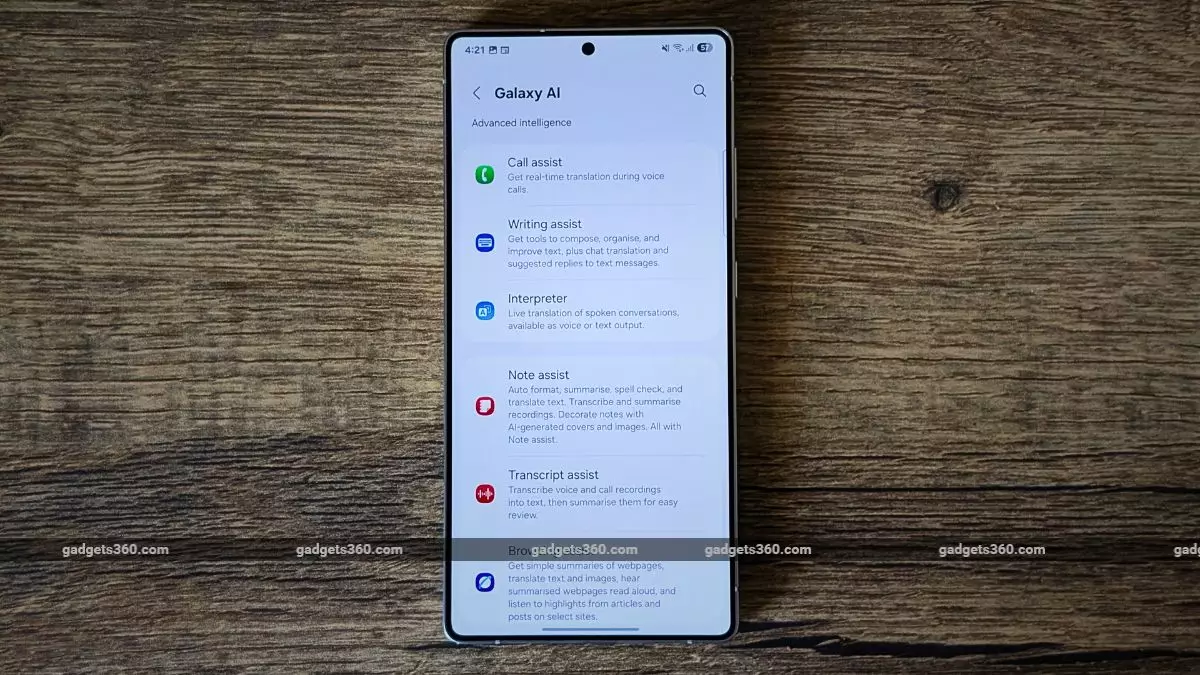
The upcoming Samsung Galaxy S26 series promises to be a battleground of artificial intelligence, yet beneath this glitzy veneer lies a troubling trend: the commodification of AI as a mere feature rather than a transformative tool. Samsung’s strategic flirtation with multiple AI partners reflects its desperation to appear innovative, but it also exposes a fundamental weakness—reliance on external vendors dilutes the company’s vision of seamless integration and user empowerment. Instead of owning the AI experience fully, Samsung seems content to assemble a collage of options, confusing consumers and fragmenting the user experience. This race to incorporate AI from the likes of OpenAI, Perplexity, Google, and Microsoft risks turning smartphones into platforms of technological overload rather than meaningful enhancement.
Is AI Truly a Catalyst for Empowerment or Just a Marketing Stunt?
Samsung’s openness to integrating multiple AI agents is both a strategic gamble and a reflection of the company’s wavering confidence in its own capabilities. While CEO Choi Won-Joon claims that giving users “more options” is the goal, this approach misses the deeper societal implications. The fragmentation of AI support can lead to user confusion, reduced trust, and a power shift toward tech conglomerates wielding control over multiple AI ecosystems. Instead of democratizing intelligence, these alliances risk creating monopolistic choke points that favor the big players at the expense of consumer sovereignty. Genuine progress would come from developing cohesive, ethically grounded AI that genuinely enhances human agency—something that current corporate strategies, focused on market share, neglect.
The Corporate Chess Game and Its Broader Implications
By entertaining partnerships with rivals and outsiders, Samsung is engaging in a risky game of corporate chess, aiming to outflank competitors like Motorola and future rivals like Apple. But in doing so, it risks diluting its brand identity and alienating users who crave consistency and trustworthy innovation. The reported deliberations over whether to equip the Galaxy S26 with an Exynos or Snapdragon chip underscore this indecision—a metaphor for a larger industry in flux. While Qualcomm’s Snapdragon chips are often praised for their performance, Samsung’s choice will inevitably impact how well AI features perform, given the hardware-software interplay critical to effective AI integration.
On a larger scale, this AI arms race reveals a troubling truth: the technology industry is increasingly driven by short-term competitive hype rather than long-term societal good. As Apple prepares to launch its foldable iPhone, the stakes are high. Samsung’s strategy should not merely be about outpacing rivals but about setting foundations for ethical, user-centric AI that prioritizes accessible, trustworthy innovation. Otherwise, we risk a landscape dominated by corporate-controlled AI landscapes, where power resides with industry giants rather than the users they claim to serve.