
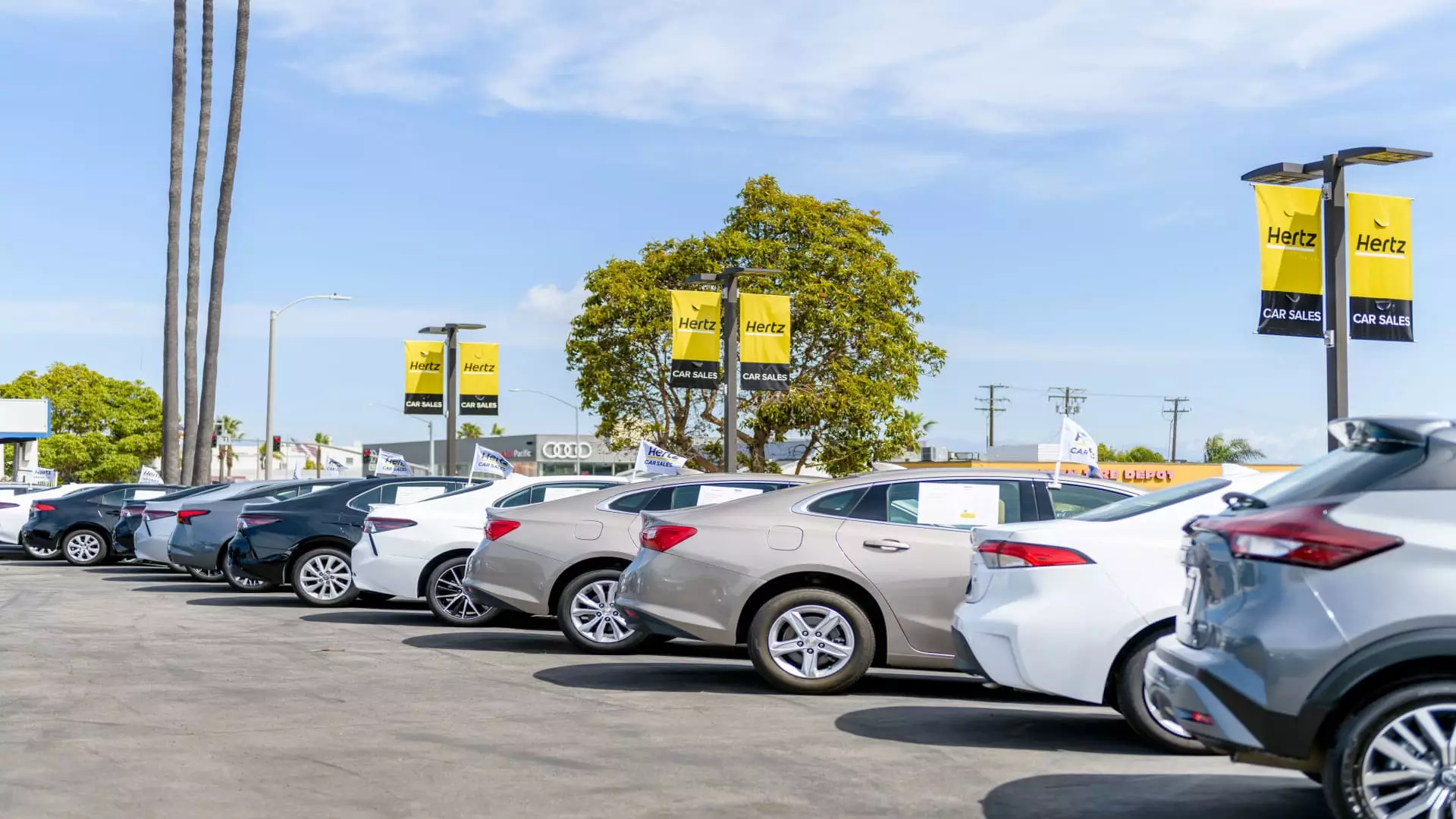
In an era where digital transformation is reshaping every facet of consumer life, Hertz’s recent move to sell pre-owned vehicles via Amazon Autos exemplifies a daring yet calculated effort to redefine the car-buying experience. This isn’t just a strategic partnership; it’s a bold assertion that even incumbents like Hertz are recognizing the necessity to adapt or risk obsolescence. However, while the move sounds progressive, it also exposes the underlying tension between traditional business models and the relentless march of e-commerce. Hertz’s decision signals an understanding that physical dealership models are no longer sufficient to meet modern consumer demands—an acknowledgment that convenience, digital integration, and transparency are now non-negotiable.
This initiative also reflects a nuanced shift in the automotive retail landscape, where online marketplaces are no longer mere platforms for price comparison but are evolving into comprehensive e-commerce hubs capable of handling end-to-end vehicle transactions. By partnering with Amazon, Hertz is leveraging the retail giant’s ubiquity and technological prowess to reach a broader, more digitally engaged audience. This push toward integrated online purchasing is a strategic response to the changing expectations of consumers who seek immediate access, simplified processes, and trust in familiar, seamless platforms. The move could catalyze lasting change, compelling traditional dealerships to reconsider their reliance on showroom traffic and face-to-face sales.
Implications for Competition and Market Dynamics
Hertz’s entry into direct online vehicle sales raises critical questions about market competition and the future landscape of auto commerce. The partnership effectively positions Hertz as both a rental and retail powerhouse, expanding its revenue streams while simultaneously challenging established used-car retail players. The ability for customers to browse, sign paperwork electronically, and pick up their vehicle at local Hertz locations exemplifies a shift toward a disruptively integrated hybrid model—blurring the lines between rental, used, and even purchase channels.
However, this aggressive digitization also invites scrutiny. Critics might argue that it risks commodifying automobiles further, potentially reducing the personalized service traditionally associated with car buying. Yet, in a society increasingly favoring transparency and convenience, this approach is arguably more aligned with current consumer values. Retail auto sales have historically lagged behind digital channels dominated by platforms like Carvana or Vroom, which have already proven that online-only auto sales can thrive. Hertz’s pivot to incorporate used car sales into its core operations, amplified through Amazon, positions the company to leverage a familiar brand while capitalizing on consumer preference for digital-first experiences.
This move also underscores a broader industry trend: the convergence of rental, leasing, and purchase services into integrated mobility solutions. As transportation shifts toward more flexible, on-demand models, traditional rental companies are recognizing the need to diversify their offerings—embracing online retail and strategic partnerships as vital components of a resilient business model.
Challenges and Opportunities in a Changing Economy
While Hertz’s digital expansion offers exciting prospects, it is not without significant pitfalls. The primary challenge lies in ensuring customer trust and satisfaction in online vehicle transactions—something that traditional dealerships have built through personal service for decades. Automating the purchasing process through Amazon introduces risks related to miscommunication, misrepresentation of vehicle condition, and logistical complications. Consumers may remain skeptical about buying a used car sight unseen, especially when tangible elements such as test drives or in-person inspections can influence decision-making.
Furthermore, Hertz’s historical setbacks—most notably its recent bankruptcy and initial struggles with EV strategy—cast a shadow over its aggressive expansion plans. Critics might question whether its financial stability and operational readiness can support a large-scale online retail effort. These challenges emphasize the importance of maintaining transparency, high-quality inventory, and robust customer service to foster trust in this new sales channel.
Despite these hurdles, the potential upsides are undeniable. The alliance with Amazon can significantly boost Hertz’s market visibility, attracting a new demographic of digital-native buyers. The model also offers scalability, with plans to eventually expand beyond the initial four cities, creating a nationwide footprint that could redefine used vehicle commerce. If executed effectively, Hertz’s bold foray into online, used-car sales could serve as a blueprint for other traditional players striving to stay relevant in an increasingly digital marketplace. Whether this gamble will solidify Hertz’s position as a modern, customer-centric mobility provider or falter under the weight of logistical and trust issues remains to be seen.