
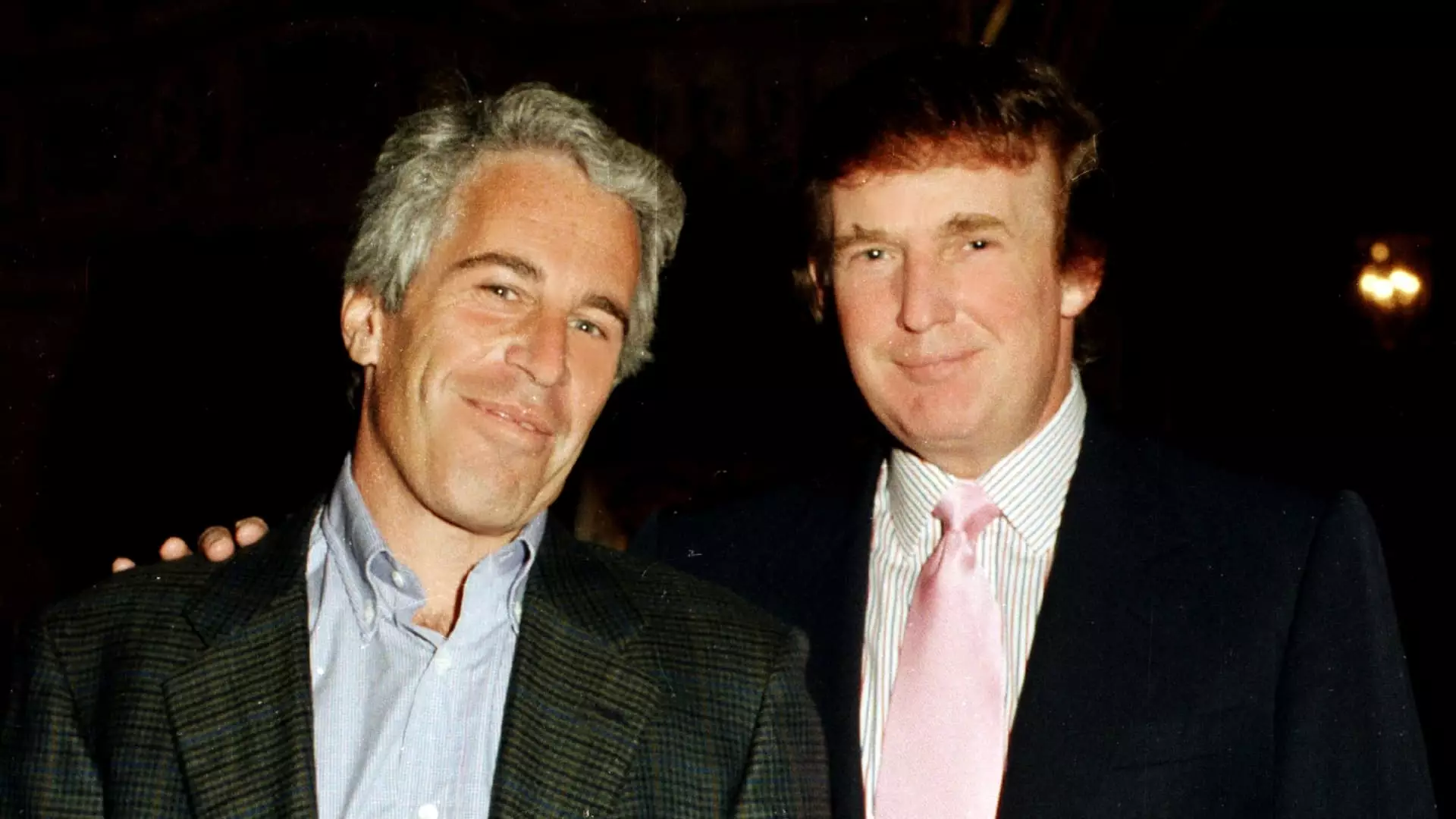
In the murky waters of Jeffrey Epstein’s scandal, the attempts to unearth the full scope of his networks seem increasingly thwarted by those sworn to uphold transparency. The recent refusal by a federal judge to unseal grand jury materials signals a disturbing trend: the government’s guarded approach to revealing its most sensitive investigations, under the guise of protecting national interests or avoiding “diversion.” But beneath this rhetoric lies a core concern—how much does the establishment really want the public to know about the depths of Epstein’s influence and the powerful figures linked to him?
The judiciary’s stance appears dismissive, emphasizing the vast trove of documents already available—files collected and stored meticulously by authorities—while dismissing the significance of deeper, potentially game-changing revelations. This refusal fosters an environment where the truth is consistently shielded behind legal and bureaucratic barriers, leaving the public in the dark and distrust simmering beneath the surface. The systemic tendency to prioritize bureaucratic convenience over genuine accountability shows an unsettling willingness to bury uncomfortable truths rather than confront the tangled web of elites involved.
The Power Play: Protecting the Establishment from Scrutiny
The refusal to unseal Epstein-related records echoes a broader pattern of resistance to transparency—especially when powerful figures potentially become implicated. Historically, high-profile cases like Epstein’s serve as lightning rods for exposing elite misconduct, yet they frequently result in stonewalling, minimal disclosures, or even outright suppression. The argument that the government has “already undertaken a comprehensive investigation” dismisses the possibility that existing files may be incomplete, biased, or deliberately sanitized.
This situation underscores how the machinery of justice can be manipulated to serve political and institutional agendas. The Trump administration’s initial promises to release these files appear more like political theater than genuine intent. When the promised transparency fades into silence, it raises a fundamental question: who truly benefits from keeping these revelations concealed? Certainly not the victims, but perhaps the very institutions that have historically negotiated immunity for themselves and their allies. The refusal to unseal is, therefore, not just about legal technicalities—it’s a reflection of a system that prefers to brush uncomfortable truths under the rug rather than confront the uncomfortable realities of systemic complicity.
The Dangerous Illusion of Closure and the Need for Genuine Accountability
Public discourse surrounding Epstein has often been framed through the lens of a “closed case,” but the truth suggests otherwise. The ongoing reluctance to release investigative records feeds into a dangerous illusion: that justice has been fully served and that the full scope of Epstein’s network is known. In reality, it is the opposite. The pattern of dismissing requests to open records reveals an unwillingness to confront the broader implications—implications that could implicate powerful political, financial, or social figures.
While some may see these legal hurdles as routine or procedural, the implications extend beyond legal semantics. They threaten the very foundation of public faith in justice and accountability. The public deserves to know whether justice was compromised, whether political figures were complicit, and whether a network of influence continues to operate in shadows. Without transparency, we are left to speculate, to assume that significant truths are being deliberately hidden—a suspicion that undermines democracy and fosters cynicism about the institutions meant to serve justice.
A Call for Urgency in Demanding Accountability
The Epstein case exposes the uncomfortable reality that power often consolidates safely beyond the reach of full scrutiny. The government’s continued efforts to resist unsealing records are a stark reminder of how the machinery of state can be deployed to protect elites rather than uphold justice. It is not enough to rely on judiciary rulings to bring about transparency; citizens must actively demand that truth take precedence over political convenience.
Genuine accountability demands more than hollow promises or selective declassification; it requires a fundamental overhaul of how justice is pursued in cases involving the powerful. We need steadfast advocacy to ensure that every abandoned file, every suppressed record, becomes a stepping stone towards uncovering the full breadth of Epstein’s network—no matter how uncomfortable or inconvenient that may be for those in power. Society’s integrity depends on it. The era of carefully curated secrets must end; the people deserve the unvarnished truth.