
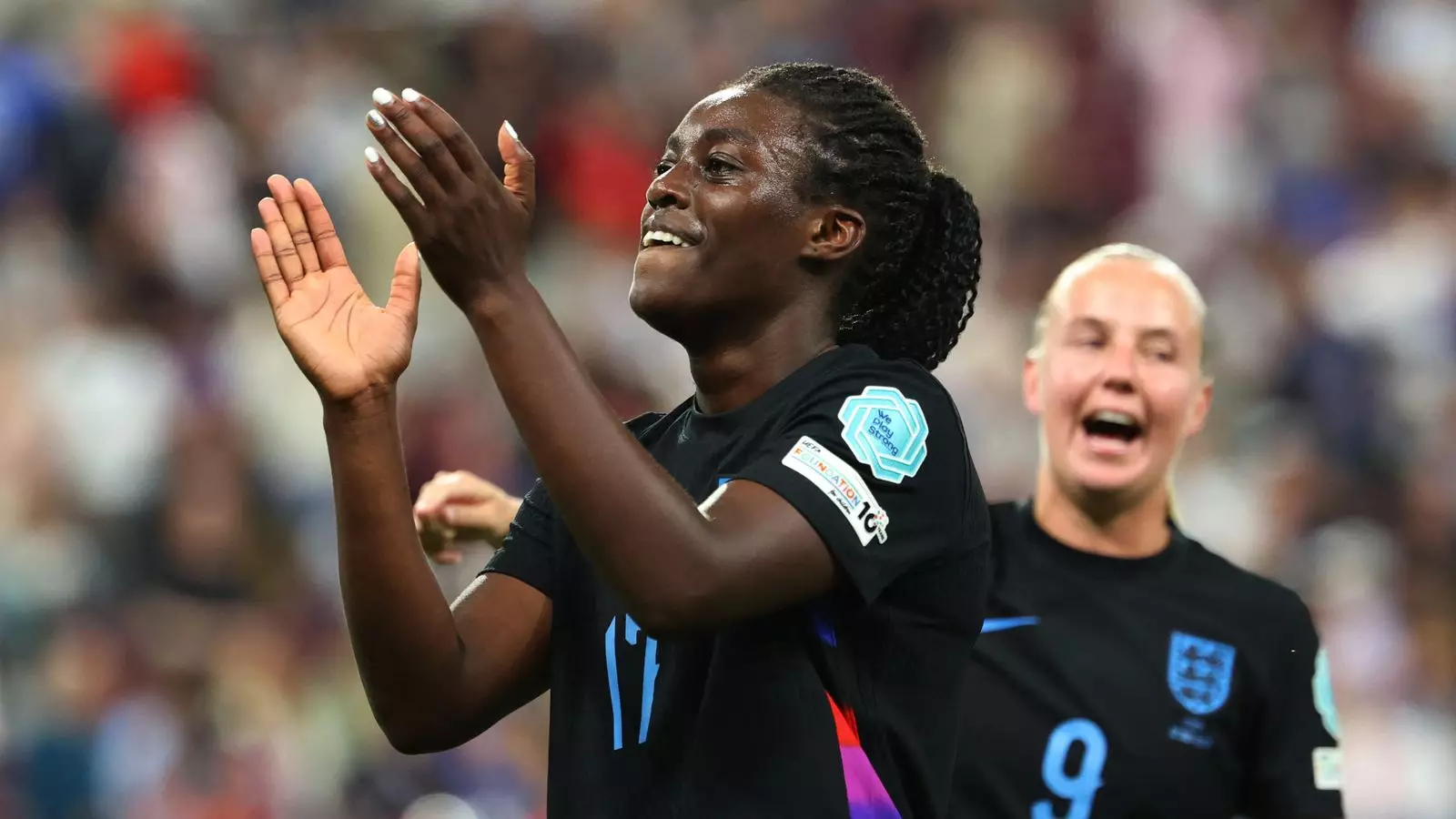
In the recent wave of women’s football landmark moments, one thing is undeniable: England’s Lionesses have transformed from perennial underdogs to formidable final contenders. What once was a narrative of scarcity—rare finals, elusive trophies—has shifted into a story of consistent excellence. The journey from underachievement to the verge of back-to-back European triumphs is impressive, yet it also raises uncomfortable questions: Are expectations rising too quickly? Is this team genuinely evolving, or is the recent success merely a byproduct of growing investment and media hype?
The dramatic shift indicates that England’s women’s team is surpassing merely being a celebrated underdog. They now represent resilience and the capacity to conquer adversity. Still, with this progress come criticisms of complacency and whether such achievements are sustainable or merely fleeting moments of brilliance. This final in Basel isn’t just about winning silverware; it embodies a shift in perception of women’s football—something that demands both applause and cautious analysis of whether the sport is evolving authentically or simply riding a wave of commercialization.
Spain’s Ascendancy: From Newcomers to Serious Contenders
Meanwhile, Spain’s national team is experiencing a renaissance, fueled by a blend of raw talent and strategic discipline. Their first Euros final marks a milestone, but it also signals a broader transformation in Spanish women’s football. The recent worldwide recognition of players like Aitana Bonmati and Alexia Putella underscores the rise of Spain from an ever-present yet underachieving side to one that can genuinely challenge traditional powerhouses like England.
Curiously, the Spanish squad’s narrative has been tinged with complexities beyond the pitch. The controversy surrounding their recent World Cup win—highlighted by the infamous kiss incident—has cast a long shadow over their victory. It forced Spain and its broader society to confront uncomfortable truths about gender rights, respect, and social progress. In this context, the final becomes more than a game; it’s a cultural battleground where issues of equality and dignity are intertwined with sporting pride.
The significance of this final goes beyond mere victory or defeat. It’s a symbolic clash between two nations at different stages of societal and sporting maturation. For Spain, this final signifies a breakthrough not only in football but in the ongoing fight for gender equality and respect, themes that may influence the match as much as tactics or technical ability.
Resilience and the Power of the Underestimated
Both teams showcase an inspiring trait: resilience, delivered through gritty comebacks and unwavering resolve. England’s recent history is punctuated by moments where they refused to capitulate, even under immense pressure—a trait that Australian coach Sarina Wiegman has instilled in the team. This mental toughness could be the pivotal factor against Spain’s technically gifted squad.
Conversely, Spain’s players have learned to harness their underdog status, channeling it into a formidable collective strength. They recognize this final as their moment to claim a place among Europe’s elite—not just as a talented squad but as a team redefining what women’s football can be in Spain. Their leadership, influenced by the recent societal debates, adds a layer of emotional depth, making this fixture a reflection of societal progress as much as athletic excellence.
As both sides prepare, the stakes have transcended the pitch. The world watches as these nations grapple with their histories, societal norms, and aspirations. Winning this final is about more than medals; it’s about shaping future narratives—defining a cultural legacy that champions perseverance, respect, and equality. It’s a battle where resilience and societal values collide, and the outcome could influence the future of women’s football in Europe well beyond the final whistle.