
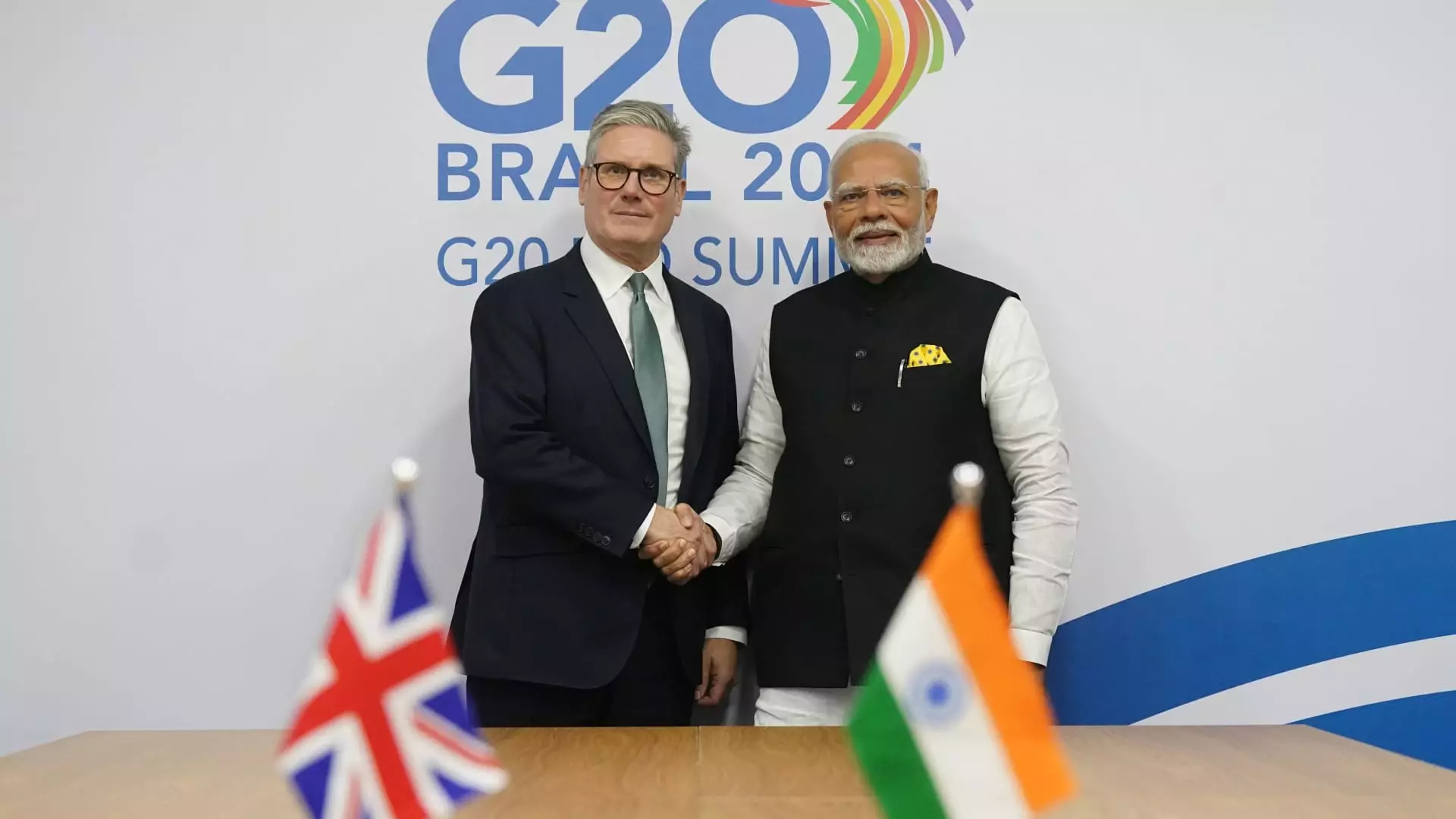
In recent years, the perceived withdrawal of the United States from multilateral institutions like the G20 reveals a troubling trend: the gradual abdication of global leadership. This retreat, embodied by the Trump administration’s skepticism and scaled-back participation, threatens to destabilize long-standing economic and political frameworks. While some may view this as a necessary recalibration, it’s more accurate to see this as a reckless abandonment of cooperative global problem-solving. When the U.S. diminishes its role, it leaves a vacuum that less responsible powers—be it China, Russia, or even fringe actors—are only too eager to fill. Such a power shift risks plunging the international community into chaos, eroding the foundations of economic stability, and undermining the collective efforts that have kept the world from spiraling into future crises.
The core danger lies in the U.S. rejecting the very institutions it helped create. The G20, established amidst the Asian financial crisis to foster cooperation among both emerging and developed economies, was designed to stabilize the global economic order. Now, this cornerstone is under threat. By sidelining itself from the process—refusing to engage in key meetings, withdrawing from working groups, and dismissing international consensus—the U.S. signals to the world that it no longer regards multilateralism as essential. This apathy emboldens other nations to pursue their interests at the expense of collective well-being. History has shown that such unilateral tendencies often result in instability, trade wars, and conflicts that endanger everyone, including the nations that pursue aggressive isolationism.
The implications of sidelining global cooperation are profound
The Trump administration’s approach, with its “America First” rhetoric, ultimately neglects the interconnectedness that underpins modern geopolitics. Ignoring issues like climate change, pandemic preparedness, or equitable development isn’t simply an abdication of moral responsibility—it’s a strategic error. The world is more interconnected than ever, and challenges such as financial crises, public health emergencies, and climate disasters demand coordinated responses. By stripping down the G20’s agenda to only its core financial track and dismissing extraneous working groups, the U.S. is effectively retreating into a silo, leaving the rest of the world to muddle through without its leadership. This shortsightedness risks creating an environment where crises grow unchecked, with far-reaching consequences for global stability.
Furthermore, the targeting of developing nations, the slashing of foreign aid, and the sidelining of climate and social issues make clear that the U.S. under this new paradigm prioritizes short-term national interests over long-term collective prosperity. Such policies threaten to deepen inequalities and destabilize fragile economies—particularly in the Global South—where growth and development hinge on multilateral support. Ignoring these realms under the guise of streamlining institutions is a dangerous mistake. Genuine leadership involves embracing complexity, not reducing global efforts to simplistic financial concerns that fail to address underlying systemic issues.
Centering diplomacy and multilateralism offers a vital pathway forward
Despite the recent setbacks, the potential for renewal remains. A more balanced, pragmatic U.S. approach that recognizes the importance of multilateral institutions—while reforming them for efficiency—can be the antidote to the current chaos. The critique isn’t about outright rejection of these bodies, but about recalibrating them to serve the changing needs of a multipolar world. Revisiting how the G20 operates, narrowing its agenda to the essentials of financial stability and growth, and reigniting meaningful engagement—not just perfunctory attendance—are critical steps. This isn’t a capitulation but a strategic move to ensure that the U.S. remains at the table when crises emerge.
Engagement with global actors should not be seen as a concession but as a recognition of interconnected realities. The global minimum tax proposal, for instance, reflects a nuanced approach to fairness in an increasingly digitalized, globalized economy. Rejecting such initiatives outright without dialogue diminishes America’s moral and economic leadership. Instead, embracing these policies with reform-oriented goals can foster sustainable growth, reduce inequality, and protect environmental and social standards—values central to center-wing liberalism.
There is a moral and practical urgency for the U.S. to re-engage, not out of naïveté, but out of a clear-eyed understanding that international cooperation is essential to address shared vulnerabilities. The future of the global economy, peace, and environmental sustainability depends on it. Allowing geopolitical vacuums to widen inevitably benefits authoritarian regimes and rogue states that pursue their interests at the expense of global stability. Maintaining a pragmatic, engaged, and reform-minded approach aligns with the core liberal values of justice, equality, and multilateral cooperation—values that should underpin U.S. foreign policy rather than undermine it.