
In recent developments, the Trump administration’s endeavors to overhaul FEMA have sparked considerable concern across the political spectrum. While the rhetoric emphasizes efficiency and fiscal conservatism, the underlying implications threaten the very foundation of disaster response in the United States. Centralizing disaster relief funding directly through the president’s office and dismantling established channels is a perilous move that could undermine the nuanced needs of local communities. Historically, emergency management hinges on a delicate balance—combining federal support with local expertise. Removing or reducing federal involvement jeopardizes this balance, placing vulnerable populations at increased risk during moments of crisis.
By consolidating authority in the executive branch, the administration risks politicizing disaster aid at a time when impartiality and expedience are vital. Federal agencies like FEMA have long been designed with the understanding that local governments and organizations are the frontlines in disaster mitigation. Their expertise, rooted in local knowledge, must be supported through collaborative funding and strategic planning—not sidelined in favor of top-down control. A move toward direct disbursements from the White House diminishes transparency and accountability, raising concerns over favoritism and misallocation, especially in marginalized or underserved communities.
The Rhetoric of Fiscal Responsibility Masks a Neglect of Essential Support
Proponents claim that reducing federal spending aligns with the need for fiscal responsibility. However, this perspective dismisses the fundamental role federal aid plays in safeguarding lives and property. Disasters frequently cripple local economies, stretch state resources to the brink, and expose systemic inequalities. When federal assistance diminishes, the burden shifts from the federal government to states and municipalities ill-equipped to handle large-scale crises. This shift privileges affluent communities that have better resources and leaves less affluent areas, often the most vulnerable, to fend for themselves.
Recent examples further underscore the stakes. Hurricanes, wildfires, floods, and other calamities continue to devastate communities with alarming frequency. For instance, Hurricanes Katrina and Rita exposed significant flaws in disaster management programs, yet they also showcased the importance of robust federal support. Cutting aid now could result in a repeat of delayed or inadequate responses, with long-lasting consequences for recovery efforts and community resilience. It is misguided to equate austerity with efficiency when the true cost manifests in human suffering, economic disruption, and social inequities.
The Real Cost of Underfunding: Communities on the Brink of Collapse
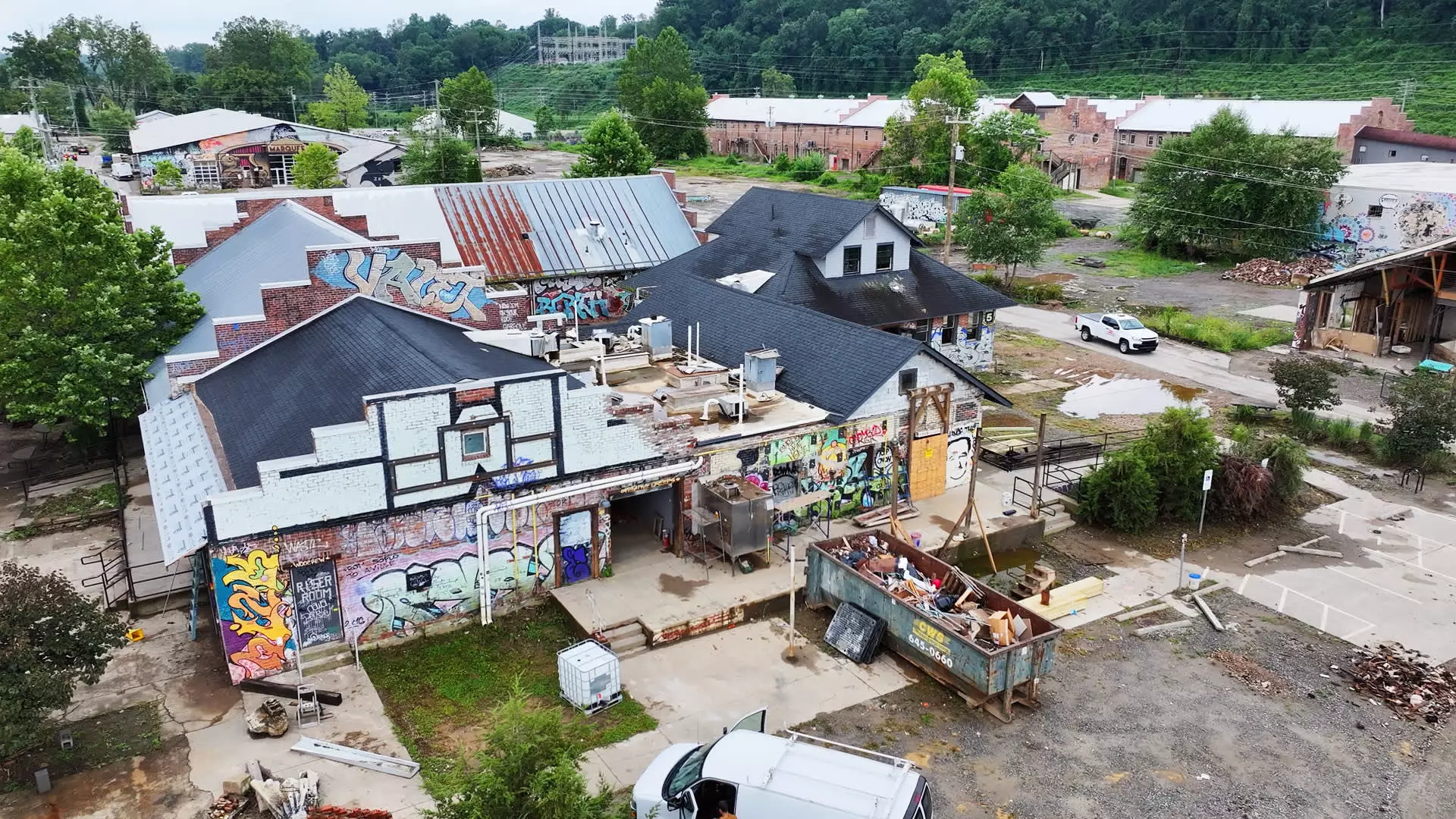
The aftermath of Hurricane Helene vividly highlights the danger of a Federal Emergency Management Agency stretched thin or potentially sidelined. North Carolina’s devastation in 2024 revealed how federal funds are instrumental in beginning the long journey of recovery, especially for lower-income populations. As of May 2025, federal support covered a mere 6.2% of the total damage costs. This scant assistance leaves local communities with impossible choices—either pause recovery efforts or shoulder crushing costs themselves.
Local businesses, such as the Village Potters Clay Center in Asheville, epitomize the fragile economic ecosystems that are vulnerable when federal aid is reduced or withdrawn. Floodwaters destroyed critical infrastructure and equipment, nearly destroying livelihoods essential for regional economic vitality. Although insurance payouts helped, the resilience of such enterprises hinges on continuous support—support that could dwindle if federal resources are pulled away. The broader community’s economic health depends on vibrant, responsive small businesses that serve as offshoots for employment and tourism. Dimming federal support risks unraveling these vital threads, leading to a cascade of failures across sectors.
The Political Gamble of Disregarding Local Realities
Fundamentally, repositioning FEMA’s authority from a collaborative federal agency to a primarily presidential-controlled operation embodies a dangerous trend toward politicization. Disaster response is inherently complex, requiring agility, local knowledge, and cross-jurisdictional cooperation—elements undermined by centralization. The assumption that streamlined, top-down funding will be more effective ignores the realities on the ground, where local input and tailored solutions often make the difference between chaos and coordinated recovery.
Progressive voices argue that disaster relief must be rooted in fairness and an understanding of systemic inequalities. Vulnerable populations should not bear the brunt of budget cuts or administrative shifts that prioritize fiscal conservatism over human needs. An approach shaped by centrists and liberals alike should prioritize strengthening federal support, reforming bureaucratic inefficiencies, and fostering community resilience—rather than dismantling the safety nets that have historically protected Americans during their darkest hours.
By deliberately weakening FEMA’s capacity or redirecting funds away from dedicated disaster programs, the administration risks creating a future where recovery is slower, less equitable, and more costly in the long run. These policies signal a troubling misjudgment of what it truly takes to protect communities—namely, a steadfast commitment to federal partnership and the understanding that disaster preparedness and response are investments in national stability, not just short-term fiscal savings.