
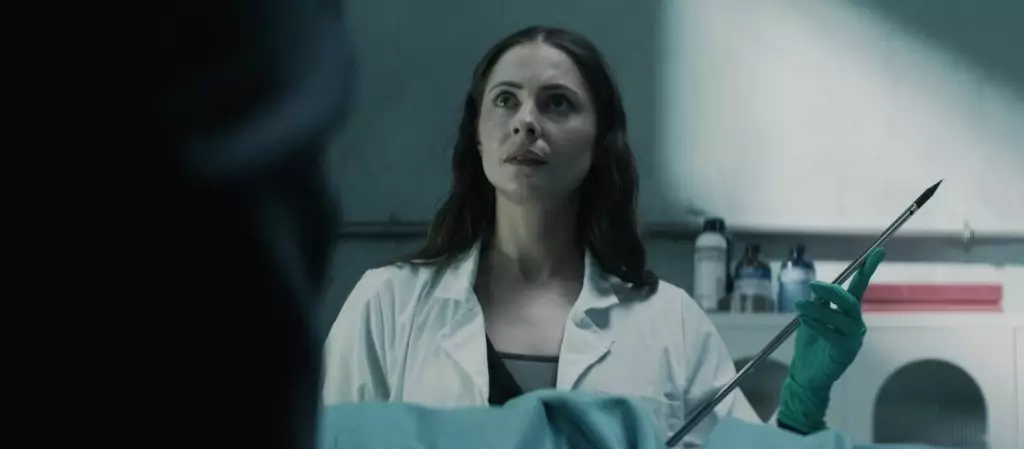
In the recent wave of horror adaptations, it’s increasingly clear that Hollywood and associated media conglomerates are treating fear not as an art form, but as a commercial commodity. The impending film adaptation of *The Mortuary Assistant*, a popular video game, exemplifies this troubling trend. While many celebrate the prospect of bringing digital horrors to the big screen, one must critically ask whether this process dilutes genuine artistic innovation or merely exploits popular IP to milk audiences for profit. Hollywood’s tendency to chase blockbuster status often results in shallow interpretations that prioritize spectacle over substance, stripping horror of its potential as a tool for societal reflection and emotional catharsis.
The Problem with Genre Exploitation
Horror, historically, has been a potent genre for social commentary—an edgy mirror held up to societal fears, anxieties, and injustices. However, the current industry approach is increasingly superficial, favoring predictable jump scares and relentless gore rather than meaningful storytelling. The adaptation of *The Mortuary Assistant*—initially a cult hit rooted in psychological tension—runs the risk of becoming yet another hollow spectacle designed solely for mass appeal. This commodification undermines the genre’s capacity to challenge viewers or evoke authentic emotional responses. Instead of expanding on themes of trauma, morality, or human resilience, these adaptations tend to serve as overpriced thrills, forsaking depth for immediate consumer satisfaction.
Mass Audience and Cultural Insensitivity
Furthermore, the decision to adapt horror stories like *The Mortuary Assistant* reflects a concerning trend of pandering to mainstream sensibilities, often ignoring cultural and psychological sensitivities. Horror, at its best, engages with the darker facets of human experience, forcing both creators and audiences to confront uncomfortable truths. When studios prioritize marketability over authenticity, they risk sanitizing or trivializing these themes, leading to a distorted perception of the genre. This not only impoverishes the art form but also diminishes its capacity to serve as a vehicle for societal critique. As these adaptations flood the market, they threaten to dilute horror’s potential as a meaningful cultural voice, reducing it to mere entertainment devoid of reflection or significance.
The Paradox of Creative Control and Commercial Success
While studios like Shudder claim to be expanding on the original game’s mythology and lore, it’s crucial to question whether these creative endeavors genuinely serve artistic integrity or simply capitalize on existing fanbases. Often, such projects are built around secure franchises with built-in audiences rather than true innovation. This commodification stifles originality and shifts focus from compelling storytelling to guaranteed profitability. When horror is no longer about pushing boundaries but about safeguarding intellectual property, we risk losing its core as a form of cultural rebellion. Instead, it becomes a sanitized, predictable product in a landscape increasingly driven by corporate interests rather than authentic artistic vision.
A Call for Authentic Horror in an Era of Exploitation
In a cultural moment when genuine reflection and critical thinking are desperately needed, Hollywood’s persistent fixation on horror as a lucrative franchise avenue feels shortsighted and irresponsible. The genre’s power lies in its capacity to unsettle, critique, and inspire—qualities that often come into conflict with commercial imperatives. It’s critical for creators and consumers alike to demand more than just surface-level scares; we must advocate for horror that challenges societal norms and provokes real thought. Otherwise, we’re merely feeding into a cycle of superficial entertainment, missing the transformative potential of a genre that, historically, should serve as a beacon of societal introspection rather than a shallow commodity to be consumed and forgotten.